Wednesday MidDay Medley TEN to NOON Wednesdays – Streaming at KKFI.org 90.1 FM KKFI – Kansas City Community Radio Produced and Hosted by Mark Manning
Wednesday, May 27, 2026
WMM presents: Margaret Cho + FlareThaRebel + Brodie Rush & Cody Calhoun of An Evening of Pink Floyd
Mark spins More New & MidCoastal Releases from: Radkey, Sweeping Promises, Til Willis & Erratic Cowboy, FlareThaRebel, Lee Walter Redding, Black Light Animals, Be/Non, youbet, Yaya Bey, Mitski, Pink Floyd, and Margaret Cho.
At 10:30am Brodie Rush & Cody Calhoun join us to share details about An Evening of Pink Floyd, Friday, May 29, doors at 7:00pm, show at 8:00pm, at Warehouse On Broadway, 3951 Broadway, KCMO. The night will feature, The Dark Side of the Moon, performed in its entirety along with many more of Pink Floyd’s biggest hits and deep cuts. The band features some of Kansas City’s finest Rock, Soul, and Psychedelic musicians: Brodie Rush (Be/Non), Cody Calhoun (Black Light Animals), Liam Sumnicht (Black Light Animals, Not A Planet), Nate Hubert (Black Light Animals), SEYKO (The Freedom Affair and SUNU), and Tim Jenkins (Ramona Clay). With special guest performances by Aryana Nemanti and Michael Tipton (Found A Job, Michael Tipton & The Scoundrels) among others! For more information you can visit: https://warehouseonbroadway.com/
At 11:00am FlareThaRebel returns to Wednesday MidDay Medley to share details about his new, epic full length album, DEAR CITY that was released May 1, 2026. Dear City is an incredible testimony of life as an artist in Kansas City making Hip Hop music. Dear City features 12 tracks with guest appearances from Jazlyn, Kemet Coleman, Ryan Marquez, Edie Moore, Kadesh Flow, The Epitome, The Royal Chief, Shay Lyriq, Joey Cool, and Paula Sunders, Shon Ruffin and SEYKO of The Freedom Affair. FlareThaRebel has just returned from special performance in Ireland with Kemet Coleman and Kadesh Flow. FlareThaRebel plays Day Eight of Manor Fest 8, on Saturday, May 30 at 1:00pm at The Kemper Museum 4420 Warwick Blvd, KCMO, with Kadesh Flow and True Lions. FlareThaRebel is also known as Jeff Shafer who serves as Executive Director for City Year Kansas City, an educational-equity nonprofit that places mentors/tutors in schools to keep kids on track to graduate. This was the job that brought Jeff back to KC. More info at: http://www.cityyear.org
At 11:30am Mark talks with Margaret Cho – the five-time Grammy and Emmy nominated comedian who brings her new “blistering and brutally honest” show, “Choligarchy” to The Folly Theater, 300 West 12th, KCMO, on Saturday, June 16, at 7:30pm. Margaret continues to be the must-see comedian-actress with new acting roles in Gregg Araki’s next film, “I Want Your Sex” with Olivia Wilde & Charli XCX, and alongside Sandra Bernhard & Kristen Schaal in Disney’s season 2 of “Percy Jackson and the Olympians”. Margaret was also part of Netflix’s “Stand Out Comedy Special” and “Over The Moon” film with Ken Jeong & Sandra Oh which was nominated for an Academy Award & Golden Globe Award. Margaret was recently included in VOGUE Magazine’s “9 best female comedians of all-time’ alongside Joan Rivers, Gilda Radner and Wanda Sykes. Margaret Cho is the author of two memoirs, has done 12 national comedy tours including “True Colors” with Cyndi Lauper. Margaret has been in 48 films, including Fire Island, a portrayal of the LGBTQ Asian American experience on Fire Island. She has been in 72 television shows, including 19 episodes of All American Girl, 72 episodes of Drop Dead Diva, 21 episodes of Fashion Police with Joan Rivers, and 3 episodes of 30 Rock, where her portrayal of Kim Jong II was nominated for a Primetime Emmy Award for Outstanding Guest Actress in a Comedy Series. Margaret Cho has also created 8 television comedy specials, recorded 9 comedy albums, 3 full length musical albums, 11 musical singles and 23 music videos. She has frequently supported LGBTQ rights and has won awards for her humanitarian efforts on behalf of women, Asian Americans, and the LGBTQ community. For more information you can visit: http://www.follytheater.org
On your local radio dial 90.1 FM or STREAMING LIVE at: kkfi.org
Wednesday MidDay Medley TEN to NOON Wednesdays – Streaming at KKFI.org 90.1 FM KKFI – Kansas City Community Radio Produced and Hosted by Mark Manning
Wednesday, May 20, 2026
KC Folk Fest w/ Rachel Christia & Vi Tran + Darin Challacombe + Madeline Marak & Lori Buntin
“It’s Showtime Folks” from: Motion Picture Soundtrack to All That Jazz / Universal / Dec. 20, 1979 [WMM’s theme]
Andrew Connor – “Kiss Them For Me” from: Covers Collection / Pretend Outlaw Music / May 1, 2026 [Andrew Connors new release features 13 covers of songs from family, friends and musical icons including Andrew’s Fathers Band from during /before his early childhood, from Minden lead singer Casey Burge, Siouxsie Sioux & The Banshees, The Bee Gees, Neil Young, Alex Chilton, Yukihiro Takashi and more. // “Kiss Them for Me” by Siouxsie Sioux (Susan Ballion), Steven Severin, Budgie (Peter Edward Clarke), and Martin McCarrick, originally recorded by Siouxsie and the Banshees. // Recorded & Mixed by Andrew Connor. Instruments & Vocals by AC except: Jake Acosta – Drums on “Kiss Them For Me.” Mastered by Mike Nolte at Eureka Mastering. // Andrew Connor is a veteran of the Lawrence KS – KC Music Community. Ghosty has released some of our most favorite music of the past 22 years of this radio show. // The Lawrence/KC band GHOSTY is one of our most played and favorite area bands of all time Between 2002 and 2020 GHOSTY has released six EPs, three full length albums, and multiple singles. As a solo project Andrew Connor recently released COLORADO on April 21, 2023. More info at: http://www.ghostysounds.com]
Ghosty / Andrew Connor Discography
Ghosty released the 3-song EP, PRODIGAL SUN on February 28, 2020 with Bill Belzer on drums, percussion / Ross Brown on guitar, keys / Andrew Connor on guitar, keyboards, vocals / Mike Nolte on bass
Ghosty released the self titled album GHOSTY on April 17, 2014. It was there 3rd full length release with Andrew Connor, Mike Nolte and Bill Belzer who recorded their new album themselves over the last couple of years with help from David Wetzel, Josh Adams, Jake Blanton, Konnor Ervin, Ryan Connor, Kirsten Paludan, and Dan Talmadge. The new release was pressed on vinyl and available on LP and digital download.]
Ghosty released the single “Love U 2” on July 15, 2013, recorded June 2013 at Westend, Kansas City, KS. Documentary about the recording of this song by surrounding media vimeo.com/70317712 // with: Mike Nolte on bass, engineering, mastering // Andrew Connor on guitar, keys, vocals / Bill Belzer – drums, & percussion
Ghosty released the 5-track EP, TEAM UP AGAIN on April 13, 2010 with Andrew Connor, Mike Nolte, David Wetzel, Josh Adams, Jake Blanton, Suzannah Johannes, Konnor Ervin, Ryan Johnson // Team Up Again,” “Ocean of Heat (Setting FIres),” and “Quell The Hunger” by Andrew Connor, arranged by Ghosty, Pretend Outlaw Music, ASCAP, 2010. “Virginia Song” by Rev. Howard Finster, arranged by Ghosty. “On A Saturday” by Jake Blanton, arranged by Ghosty. // “Team Up Again,” “Setting Fires,” “Virginia Song,” and “On A Saturday” recorded and mixed at Run Riot / More Famouser Studios, Shawnee, KS, September 2009 through March 2010. Engineered and mixed by Mike Nolte and Ghosty. // “Quell The Hunger” recorded at Mixtape Soundlab, Lawrence, KS, January 2009 additional tracking and mixing and Run Riot / More Famouser studios, Shawnee, KS, and February 2010. Engineered and mixed by Mike Nolte and Ghosty.
Ghosty released the 3-track EP, FOOLISH PRIDE on November 17, 2009 with All songs by Andrew Connor, arranged by Ghosty, Pretend Outlaw Music, ASCAP, 2009 // “Foolish Pride” and “Rose-Colored Glasses” basic tracks recorded at Jack’s House, Merriam, Kansas, Fall 2007. Engineered by Mike Nolte and Ghosty. Additional tracking and mixing at More Famouser Studios, Kansas City, MO, and Run Riot Studios, Shawnee, KS, Fall 2009. // “Hey Bill” basic tracks recorded at Mixtape Soundlab, Lawrence, KS, January 2009. Engineered by Mike Nolte and David Wetzel. Additional tracking and mixing at More Famouser Studios, Kansas City, MO by Mike Nolte and Ghosty, Spring 2009.
Ghosty released the 3-track EP, A MYSTIC’S ROBE on September 15, 2009 with Andrew Connor, David Wetzel, Mike Nolte, Jake Blanton, Josh Adams, Carmen Winters // All Songs by Andrew Connor, arranged by Ghosty, Pretend Outlaw Music, ASCAP, 2009 // “My Girl Is Strong” and “Sunday Morning” basic tracks recorded at Mixtape Soundlab, Lawrence, KS, January 2009. Engineered by Mike Nolte and David Wetzel. Additional tracking & mixing at More Famouser Studios, KCMO by Mike Nolte & Ghosty Spring 2009. // “Secret Language” basic tracks recorded at Jack’s House, Merriam, KS, Fall 2007 Engineered by Mike Nolte & Ghosty. Additional tracking & mixing at More Famouser Studios, by Mike Nolte & Ghosty Spring 2009.
Ghosty released the 11-song album ANSWERS on January 15, 2008 with tracks recorded by Paul Malinowski at Westend and Run Riot Studios, Kansas City, KS, 2006-07. racks 4, 6, 7, and 9 were recorded and mixed by Trent Bell at Bell Labs, Norman, OK, 2006. // Track 8 was recorded by Tim Brandsted at UMKC and Paul Malinowski at Westend. Mixed by Paul Malinowski at Westend, 2007. // Tracks 2 and 10 were recorded by Chris Behmer at the Ferrell home, Overland Park, KS, 2005, and with Trent Bell at Bell Labs. Mixed by Trent Bell at Bell Labs, 2006. // Mastered by Roger Seibel at SAE Masterin // All songs by Andrew Connor, arranged by Ghosty // Pretend Outlaw Music, ASCAP. // Released on Oxblood Records.
Ghosty released the 5-track EP, ME, ME, ME on January 15, 2006 w/ Andrew Connor on guitar & vocals / Jeff Ferrell on guitar & vocals // David Wetzel on keyboards &* vocals // Mike Nolte – bass & vocals // Josh Adams on drums & vocals // Recorded & mixed Fall 2005 by Jeff Ferrell and Ghosty at New York St. house, Lawrence, KS. Artwork by Paul Browning. Songs by Andrew Connor, Pretend Outlaw Music
Ghosty released the 19-track album GROW UP OR SLEEP IN (Deluxe Edition) on August 30, 2005 with Josh Adams, Andrew Connor, Jeff Ferrell, Mike Nolte, David Wetzel// and Alums: Jacob Baum, Richard Gintowt, Mark Hurst, Andrew Sallee, James Duft // Big Surrender, Henry Greene, and Hey! Somebody were recorded by Mike Mogis at Presto! in Lincoln, NE in the summer of 2002 // Jacqueline, Rooms in the Dark, (In a Big World)Little Dreams Count, High on Life, Clouds Solve It, Go to Add/Drop City, and World Travelers were recorded by Trent Bell and Andy Nunez at Bell Labs in Norman, OK in the fall 2003 // Mastered by Doug Van Sloun at Studio B // Design by Patrick Giroux at Blue Collar Press // All songs by Andrew Connor, Copyright 2005 // Pretend Outlaw Music(ASCAP) // Wayne Coyne appears courtesy of Warner Brothers Records // BONUS TRACKS: Primadonna, John Hunter, and Sad Sack recorded Summer 2006? at the Ferrell Home in Overland Park, KS by Chris Behmer and Ghosty // Dust Box Nites and Rok Town Air recorded and mixed with Tom Wagner at Underground Sound in Lawrence Kansas, Winter 2005? James Duft plays bass // Going Home Recorded in the Spring of 2002 at 1225 and 1137 Tennessee in Lawrence, KS by Ghosty, Mixed with Jeff Ferrell.
Ghosty released the 6-track EP THE FIVE SHORT MINUTES on February 2, 2002 with Andrew Connor: Guitar, Vocals, Keyboards / Jacob Baum: Bass, Organ, Percussion, Guitar / Richard Gintowt: Drums, Percussion / Jeff Jackson: Pedal Steel Guitar on Track 5 // Recorded Fall 2001 at the haunted house by Jacob Baum / Produced by Ghosty / Mastered by Boyd Bristow
Andrew Connor – In Colorado / Pretend Outlaw Music / April 21, 2021 [Darien Williams on drums, Justin Fernando on bass guitar, Joseph Murphy on synth, Ryan Connor on guitar & lap steel, Andrew Connor on guitar, keys, & bass guitar. // Engineered by Doug Malone at Jamdek, Chicago // additional tracking by Andrew Connor. // Mixed by Mike Nolte and Andrew Connor in Portland, OR // Mastered by Mike Nolte at Eureka Mastering // Songs by Andrew Connor, Pretend Outlaw Music ASCAP Except “Misery” by Ryan Connor and Andrew Connor.]
Andrew Connor – 2015 / Pretend Outlaw Music / August 10, 2024 [These 2015 Demos Andrew just posted have this effect: When they start, they are subtle, and through glints of metal and woozy guitars evoke some future summer. But by the end the listener comes to understand that this future environment could map onto our present. The music then positions the listener to inhabit that world, to accept Andrew’s contention that the griefs and disappointments of today are wholly contained in a breezy, becalmed futurenow.” Eugene Booth, 2024.]
Swamp Dogg – “Acid Tongue (Jenny Lewis Cover)” from: Swamp Dogg Contemplates The Afterlife / S-Curve Records / June 19, 2026 [The B-Side of the First single from new album. // Veteran soul/R&B/funk/rock/Americana icon Swamp Dogg celebrates his 84th birthday this summer; this milestone is to be preceded by the release of his 27th full length Swamp Dogg Contemplates The Afterlife. The new album, set for release by S-Curve Records on June 19, in recognition of Black Music Month, was produced by the artist, né Jerry Williams, Jr., along with S-Curve founder Steve Greenberg, Mike Mangini and Sam Hollander, Grammy winners who’ve individually and collectively produced artists including Joss Stone, Tom Jones, the O’Jays, Betty Wright & the Roots, Andy Grammer, Jonas Brothers, Hanson, Digable Planets and Public Enemy. // Two advance tracks from the album will be released on April 24 – the digital equivalent of a double A-sided 45. The self-penned “Searching For Heaven” encapsulates the album’s overriding themes of life lived and one’s mortality. The other track is a cover of “Acid Tongue,” written and originally recorded in 2008 by Jenny Lewis. Swamp Dogg and Lewis are friends and Lewis collaborated with Swamp on his much-celebrated 2024 album Blackgrass: From West Virginia to 125th St. // “This record didn’t start out as a concept album but, apparently, it is,” Swamp Dogg relates. Except for unique takes on “Acid Tongue” and John Prine’s “Please Don’t Bury Me,” the rest of the album’s selections are Swamp Dogg originals, including “Waka Waka Waka,” featuring guest vocalist Gary U.S. Bonds, who’d been a close collaborator and friend of Swamp since adolescence before an unfortunate falling out decades ago, now remedied by this appearance. // One of the few first-generation soul artists still recording and touring, Swamp Dogg’s music being has been embraced by successive generations who are taken with his musical mastery and iconoclastic approach to both his craft and life writ large. Testimony to his ecumenism is found in the fact that he’s been warmly embraced within the Americana world, and in his recent headlining appearance aboard the SiriusXM Outlaw Country Cruise. He has also made waves of late with the release of the critically lauded documentary film Swamp Dogg Gets His Pool Painted, currently streaming. // Of special note is the album art, conceived by Grammy-winner David Gorman, depicting Swamp Dogg, surrounded by tomes dealing with mortality, examining a comic book in the style of a Renaissance illuminated manuscript.]
Stephonne – “Papa John” from: “Papa John (radio edit)” – Single / Glory Blue Music / May 20, 2025 [“Stephonne is reimagining what it means to be a Black musician in Kansas City, disrupting outdated narratives with music that celebrates fluidity, theatricality, and freedom. Their art is multidimensional, relentless, and ambitious, drawing inspiration from other pockets of pop music.” – Lyrical Odyssey // May 20th, 2026 (New York, NY): Fearless alternative/genrequeer singersongwriter, producer and multi-disciplinary artist Stephonne has debuted their new single, “Papa John”. A funky pop art joyride of sexual liberation, they delivers us a sonic smorgasbord. Innuendo laden and cheeky, Parliament meets Doja Cat on a Studio 54 dance floor. Over a percolating beat and playful bass synth, grit, guts and go-go simmer. “Papa John” is inimitably Stephonne. Their artistic voice here is singular, however lushly layered, and the freest we’ve heard it yet.// “In the age of A.I. it’s more important than ever to show up as perfectly imperfect and as fully as possible. Listening to this song is like freebasing me. You’re experiencing me at my purest, loosest, most raw, and in full-on play mode. Every part of creating this song was fun. It felt like a celebration and still does. I’m excited to party with everybody. Right now, we need humor and joy. We need to dance and free ourselves. Revolution can be sexy. It may even be necessary. In the midst of so much pain, it’s easy to forget about pleasure. We aren’t just here to procreate. Please be safe and get tested, but don’t forget to spice up your life. Food is not the only thing that’s better with seasoning, sis. That goes for all of us, no matter the countless ways we separate ourselves. We have more in common than we don’t. God and sex are two of the biggest things we do. God used it to create my gay ass just like He used it to create you. Can we move on to something important? You know, like stopping WWIII and A.I. armageddon? Persecuting LGBTQ people won’t stop either of those or those in power from coming for you next. Unclench, folks. Life is so much more enjoyable. The gays can show you how, honey! We can also show you how to survive, thrive, and persevere because we continue to through it all.” – Stephonne // Stephonne takes the helm as songwriter, producer, and artist again. Recent collaborator, Joseph Price (Third Son) adds his assist to amplify the Kansas City native’s potent lyricism and musical instincts. We’ve stepped into an electronic era, but “Papa John” is still punk. Full of humor and audacity, it also recalls and reimagines funk and disco. “Papa John” will live rent free in your head, long after first listen and leave you hungry for Stephonne’s next delivery .// On February 13, 2026 Stephonne released “Bloody Mary” Written, Produced, and Engineered by Stephonne Singleton, Co-Produced, Mixed and Mastered by Joseph T Price. // On August 15, 2025 Stephonne released “Worship at the Chappell: Co-written with Shawn M. Stewart and produced with Patrick Meagher, the song is a declaration of power, pleasure, and pride—a sonic celebration of being fully and freely oneself. “Worship at the Chappell” is a bold, genre-bending anthem from Kansas City artist Stephonne—an electrifying fusion of disco, pop, and gospel spirit. Inspired by fellow Missouri native Chappell Roan, the track transforms the dance floor into a sanctuary for queer joy, spiritual liberation, and unapologetic self-love. With soaring vocals, provocative lyrics, and infectious grooves, Stephonne delivers a soulful sermon for the marginalized. // Stephonne describes himself as the lovechild of Prince & Billie Holiday. He grew up in KCK and received a Bachelor of Arts Degree in Music from Benedictine College, and Masters in Entertainment Business from Full Sail University. Stephonne is a 2023 winner of the Charlotte Street Generative Performing Arts Fellows. // Stephonne is an Alternative/Genrequeer singer-songwriter, cultural producer, and generative performing artist from Kansas City, MO. They synthesize music, written/spoken word, performance and visual art/media into an inimitable art. They share their struggles, triumphs, and journey to self-love through multidisciplinary performance and have sent audiences on visceral and experiential journeys through a multitude of music and video releases since 2015. Bold new 2025 singles and videos continue to push boundaries! New experiences, both sonic and visual, await us from the upcoming sophomore LP, STEPHONNE. // Singer, songwriter, actor, model, artist, activist – Stephonne Singleton keeps very busy, serving as a board member of KC Folk Fest, organizing tribute shows, playing: music festivals, Charlotte Street Foundation, Lemonade Park, Lawrence Pride, Manor Records, Midwest Music Foundation, The AIDS Service Foundation of KC, InterUrban ArtHouse, Crossroads Music Fest, The Black Box, The Folly Theatre, and West 18th Street Fashion Show. Stephonne released his EP SIS: Side B on June 24, 2022. Stephonne released the single “I” on August 21, 2024. Stephonne released the single “I think its Gonna Be Alright” I April 2025. Stephonne released the single, Forgive Me, Father (Sinead O’Connor) on May 21, 2025. // More info at: http://www.stephonne.com]
[Stephonne joins us on WMM on June 3, 2026]
Angélique Kidjo – “Bando (feat. Pharrell Williams & Quavo) from: Hope / Parlophone Records / April 24, 2026 [Angélique Kpasseloko Hinto Hounsinou Kandjo Manta Zogbin Kidjo is a Beninese musician, actress, and activist. Kidjo has won five Grammy Awards and a Polar Music Prize. She has collaborated with artists including Alicia Keys, Peter Gabriel, John Legend, Philip Glass, Bono, Yo-Yo Ma, and Burna Boy. She is the first Black African artist to receive a star on the Hollywood Walk of Fame.She performed at the Tokyo 2020 Olympic Games Opening Ceremony on July 23, 2021. In 2021, Time magazine included her in its list of the 100 most influential people in the world. Kidjo is fluent in five languages: Fon, French, Yorùbá, Gen (Mina) and English. She sings in all of them, and she also has her own personal language, which includes words that serve as song titles such as “Batonga”. Kidjo often uses Benin’s traditional Zilin vocal technique and vocalese. // Angélique Kpasseloko Hinto Hounsinou Kandjo Manta Zogbin Kidjo was born in Ouidah, French Dahomey, in what became Benin. Her father is from the Fon people of Ouidah and her mother from the Yoruba people. Her father was a musician, and her mother worked as a choreographer and theatre director. She grew up listening to Yoruba and Beninese traditional music, Miriam Makeba, Hugh Masekela, James Brown, Manu Dibango, Otis Redding, Jimi Hendrix, Fela Kuti, Stevie Wonder, Osibisa and Santana. By the time she was six years old, Kidjo was performing with her mother’s theatre troupe. // She started singing in her school band, Les Sphinx, and found success as a teenager with her adaptation of Miriam Makeba’s “Les Trois Z”, which was played on national radio. Kidjo recorded the album Pretty with Cameroonian producer Ekambi Brilliant and her brother Oscar. It featured the songs “Ninive”, “Gbe Agossi”, and a tribute to the singer Bella Bellow, one of her role models. The success of the album allowed her to tour all over West Africa. Continuing political conflicts in Benin prevented her from being an independent artist in her own country and led her to relocate to Paris in 1983. // After moving to France, Kidjo initially planned to become a human rights lawyer, but ended up studying music. While working various day jobs to pay for her tuition, Kidjo studied music at the CIM, a jazz school in Paris, where she met musician and producer Jean Hebrail, with whom she has composed most of her music and whom she married in 1987. She started out as a backup singer in local bands. In 1985, she became the front singer of Jasper van ‘t Hof’s Euro-African jazz/rock band Pili Pili. Three Pili Pili studio albums followed: Jakko (1987), Be In Two Minds (1988, produced by Marlon Klein) and Hotel Babo (1990). By the end of the 1980s, she had become one of the most popular live performers in Paris and recorded a solo album called Parakou for the Open Jazz Label. She met Island Records founder Chris Blackwell in Paris; Blackwell signed her to a record deal in 1991. She recorded four albums for Island until Blackwell’s departure from the label. In 2000, she was signed in New York by Columbia Records, for whom she recorded two albums.]
Cola – “Forced Position” from: Cost of Living Adjustments / Firetalk Records / May 8, 2026 [C.O.L.A. is sort of a self-titled album. It’s an acronym for Cost of Living Adjustment, a fitting conceptual framework for Cola’s third record. C.O.L.A. is the band’s most maximalist work to date, full of the eerie and sweet pangs that nostalgia can provoke. It is the band’s most refined offering. A perfection of carefully honed aesthetic impulses. One of the goals with the album was to have the melody guide the lyrics. Here, the vocal melodies are on the same level as all of the other melodies on the record, but the lyrics are no less poetic. Sounds do not blur, even when they are expansive. The record is full of clarifying moments: where a whole swirl of feelings becomes so clear that it almost hurts a little bit. It is abstract, oblique, sometimes strange, whatever you want to call it. But it is also beautiful, in the classic sense. Beautiful like a painting can be beautiful. / Cola is a post-punk band from Montreal, Quebec, Canada. The band consists of Tim Darcy (vocals, guitar), Ben Stidworthy (bass), and Evan Cartwright (drums). // The band’s roots trace back to late 2019, when members of Ought, Tim Darcy and Ben Stidworthy, began writing music with Evan Cartwright of U.S. Girls. Darcy and Sidworthy were in Montreal at the time, while Cartwright was in Toronto. After informal writing and music sessions, the members began exchanging lyrics and song ideas into 2020 and 2021. In November 2021, the band Ought announced their disbandment, and announced the band, Cola the same day. With the announcement of the band was the release of their debut single, “Blank Curtain”. The song was met with critical praise, with Rob Sheffield of Rolling Stone describing the song having a “gorgeously obsessive guitar groove”. The band told Destroy Exist that the song, “is a quarter note kick drum pushing 240 bpm, a drone-like chord progression, and declarative vocals cutting through the haze. If you could invert the color of the Blank Curtain, you might have something like a Chicago house track that sounds like a band in a room.” // On February 22, 2022, the band announced their debut studio album, Deep in View. The album was released on May 20, 2022. // In April 2024, Cola announced their sophomore record, The Gloss, and released the record on June 14, 2024, through Fire Talk Records. // On February 18, 2026, the band announced their third record, Cost of Living Adjustment, alongside the first single “Hedgesitting.” Cost of Living Adjustment released on May 8 on Fire Talk Records. Discography: Deep in View (2022), The Gloss (2024), and Cost of Living Adjustment (2026)]
Hovvdy – “Try Try Try” from: Big World / Arts & Crafts / August 14, 2026 [Hovvdy the project of Will Taylor and Charlie Martin, announce Big World, their sixth full-length album, due August 14th via Arts & Crafts. Alongside the album announcement, the band has its propulsive lead single “Try Try Try” with a Michael Rees-directed video. // The songs of Big World find Hovvdy trading in overt emotional directness for subject matter that leans enigmatic, contemplating their place in the world through a mosaic of songs that sees the band at their most secure and self-aware. // Since 2024’s Hovvdy, the band’s most expansive album to date, which earned them the coveted Best New Album distinction from Pitchfork, both Martin and Taylor have become published songwriters in their new home of Nashville – a career development that heavily informed their approach to making Big World. “The last record felt like such a generous offering: a double-album, deeply personal, you can literally hear me crying on some songs,” says Martin. “With this one, we wanted to take on the challenge of making something more concise and to the point, and give the fans something that feels like a shorter but more exciting ride.” // Over a handful of recording sessions between Nashville and Asheville in fall 2025, Martin and Taylor adopted a recording approach that was new for them as a band: coming to the sessions only with instrumentals rather than fully-drafted demos, choosing to write and respond to the songs in real time. “When it comes to the music, there’s literally never questions between Charlie and me, only answers,” says Taylor. “We can always show up and not have to worry about the music, and that continues to amaze me.” They viewed this as a fun, new challenge for them and, with the backing of their longtime collaborator Ben Littlejohn who serves as producer on Big World, felt less pressured and more empowered to make a record that was more sonically immediate, but emotionally ambiguous. Each song holds up a mirror to the band, both looking back at where they’ve come from and forward towards where they might be heading, sometimes proud, sometimes defeated, but always humbled by the enormity of the world and their place in it. // Additionally, Hovvdy announced a fall tour in support of Big World that traverses the US and Canada. Before then, they will be supporting Bleachers (US) and Wilco (EU) this summer.]
[Hovvdy plays The Bottleneck In Lawrence Kansas. on October 9, 2026 with Bleachers.]
10:28 – Underwriting
10:30 – Interview with Darin Challacombe
Darin Challacombe is host & producer of KKFI’s All That Class and Jazz, broadcast Saturday mornings 2:00am to 5:00am. Darin, holds a Ph.D. in psychology from Northcentral University. He also holds a degree in Specialization in Human Resources Management – Certified Practitioner, and is Director of Talent Development at a medical records company. With 20+ years in education and deep roots in the health information field, Darren serves on several professional boards and associations. When he’s not in the office, Darin is DJ Darin — the voice behind All That Class and Jazz on KKFI. A trained vocalist and enthusiast of jazz, blues, swing, and classical music, he’s lived in a half-dozen states and several countries, and recently returned to Kansas City from South America.
Darin Challacombe , thank you for being with us on WMM
He also holds a degree in Specialization in Human Resources Management – Certified Practitioner, and is Director of Talent Development at a medical records company.
With 20+ years in education and deep roots in the health information field, Darren serves on several professional boards and associations.
Darin is DJ Darin — the voice behind All That Class and Jazz on KKFI. A trained vocalist and enthusiast of jazz, blues, swing, and classical music,
Darin has lived in a half-dozen states and several countries, and recently returned to Kansas City from South America.
90.1 FM KKFI Kansas City All That Class And Jazz – 2:00 AM to 5:00 AM Music With DJ Darin
This show’s core philosophy is to break down the perceived barriers between “high art” and “street soul” weaving together Classical, Jazz, Blues, & Swing, the program aims to:
Demonstrate Musical Lineage: Show how the complex harmonies of classical music directly influenced the birth of jazz and blues.
Promote Accessibility: Make genres that are often viewed as exclusive or “academic” approachable and entertaining for a broad audience.
Champion Diversity: Focus on underrepresented composers and performers in each genre, highlighting the contributions of women and people of color to the classical and jazz canons.
Foster Discovery: Provide a space where a fan of swing might discover a new favorite classical suite, and vice-versa, through thoughtful, thematic curation. “All That Class and Jazz” track’s with our mission statement, especially to “stimulate, educate, and entertain our audience” and to showcase “music that have been overlooked, suppressed or under-represented by other media.”.
DJ Darin is the voice behind “All that Class and Jazz,” KKFI’s Saturday early morning show. He is a jazz, blues, swing, and classical music enthusiast. He is trained in vocal performance. Originally from Topeka, he has lived in a half-dozen states and several countries. He recently just returned to KC from South America.
Darin Challacombe , thank you for being with us on WMM
KKFI’s All That Class and Jazz, broadcast Saturday mornings 2:00am to 5:00am.
On a recent show we heard Darin play: Charlie Parker, Robert Johnson, Aaron Copeland, W.C. Handy, Louis Armstrong, Ella Fitzgerald. Count Basie, Muddy Waters, and Tervor Turla
10:49
Trevor Turla – “Let Go” from: As We Continue / Trevor Turla / April 21, 2022.. [Trevor Turla composed all of the music on this EP that included Trevor Turla on trombone, Daniel Dissmore on trumpet, Aryana Nemati on saxophone, Fritz Hutchison on guitar & banjo, Miki P on guitar & vocals, John O’Keefe on bass, Nik Douglas on drums, Carmen Dieker on fiddle, Jake Keegan on dobro, and Chris Hazelton on organ. “Let Go” was the second single released on February 17, 2022. We first played Trevor Turla on WMM on July 29, 2020. His track “Busted” was released on a compilation titled KANSAS CITY SYZYGY that featured over 25 Kansas City-based musicians who came together to create a compilation of music created during the shutdown of the world in the Spring of 2020. // Originally from Wichita, Kansas, Trevor Turla is now lives in Kansas City. Trevor defines himself as a musician. He started playing his first instrument, the bagpipes, at the age of 8 and hasn’t stopped the pursuit of music since. He received his Bachelor’s in Jazz Studies for trombone from the UMKC Conservatory of Music. Trevor now creates music full time by playing, recording, and holding clinics around the United States. Trevor plays & sings in numerous bands, including Jake Wells, Grand Marquis, Miki P, Fritz Hutchison, & LA Jones. He was also the founder, lead singer & trombonist for the band Sulu Moon. Info at http://www.trevorturla.com.]
[Trevor Turla plays the KC Folk Fest on KC Folk Fest, Saturday, May 30, 11:00am to 7:00pm at Washington Square Park with The Freedom Affair, Kaia Kater, Flutienastieness & The Soul Patrol, Julia Haile, Reach, Sisterbot, Bad Alaskan, and more!]
Flutienastiness – “Go Get It” from: This Is Me / Flutienastiness Entertainment / October 28, 2020 [Jazz flutist, educator, band director, and band leader, Amber Underwood is a native of Kansas City and has been entertaining and performing music since the tender age of 8. Beginning her musical journey on the piano and soon after began playing classical flute. / While in college, Amber discovered Jazz and became intrigued with the art form inspired by musical influences of Bobbi Humphrey, Hubert Laws, Frank Wess, Herbie Mann, and Nestor Torres and found a love for the art form. At age 20, Amber graduated from Wichita State University with a Bachelor of Music in Flute Performance and by 23 she completed a Masters of Arts in Arts Administration and Music Business from the University of Missouri Kansas City Conservatory and continued her education with a second Master’s degree in Education and Teaching Music from Pittsburgh State University. / In the beginning of 2014, the Amber Underwood Project and later transformed into Flutienastiness and the SoulPatrol with the mission to showcase an instrument that is normally used as an auxiliary instrument in jazz but now as a solo instrument. Flutienastiness and the SoulPatrol is a modern and fresh take on smooth jazz and R&B sounds with a touch of Latin, Funk and Gospel. Flutienastiness and the SoulPatrol uses the rich tones and colors of the flute to interpret the various styles and genres of jazz. Amber has been a presence in the Kansas City jazz scene making a place and a voice for her instrument. Amber has opened for Kirk Whalum and has performed alongside a host of other artist. / Amber is our modern-day soul and contemporary jazz flautist and a force to be reckoned with. Her debut album, ‘This Is Me’ has gained International recognition and was name one of the Top 25 Jazz Albums of Kansas City in 2020. Amber has also appeared on jazz playlists and featured on various recordings from all genres. Amber ‘Flutienastiness’ Underwood is the future of contemporary soul jazz flute! // On October 28, 2020 Flutienastiness released the album THIS IS ME (part of WMM 120 Best recordngs of 2020). The album was produced, mixed, & mastered by Desmond “D. Professor” Mason for Out D. Park Productions. All flutes by Amber Underwood. All tracks were composed collaboratively between Amber & Desmond. Amber writes: “This is album is a touch of all my feelings, life journeys and a inside look into Amber ‘Flutienastiness’ Underwood as a person beyond the stage. More info at:www.flutienastiness.com.]
[Flutienastiness plays the KC Folk Fest on KC Folk Fest, Saturday, May 30, 11:00am to 7:00pm at Washington Square Park with The Freedom Affair, Kaia Kater, Trevor Turla & The Soul Patrol, Julia Haile, Reach, Sisterbot, Bad Alaskan, and more!]
Julia Haile – “Keep It Comin’ [feat. Les Izmore]” from: EP/ Julia Haile / October 31, 2025 [New 7-track recording collection of Julia’s most recent songs. “Keep It Comin’” offers a mini reunion with Julia’s former band mate Les Izmore from the KC super-group The Buhs. Julia Haile on vocals; Tim Braun on guitar & bass; Fritz Hutchison on drums; Chase Horseman on keyboards, & synthesizers. // Julia Haile is an Indie Soul singer-songwriter with a voice that balances power and elegance. Her music pairs sweet and stirring vocals with driving guitar and funky beats, taking the listener on a genre-mixing journey of conscious baring offerings. Julia has carved out a unique sound that blends elements of Jazz, R&B, Pop and Rock. Along with musical partner Tim Braun, the pair have crafted songs with rich melodies and authentic storytelling, reflecting themes of love, self-discovery, and resilience. // Drawing inspiration from classic greats like Ella Fitzgerald all the way to the modern sounds of Erykah Badu and H.E.R, Julia continues to create music that marries instinct and raw ability. Her single Up Late is a Disco and Soul soaked party with heavy, dance inspiring guitar. Set Out begs you to leave behind what you know and venture into new depths. Each a view into the singer’s perspective on living life in this evolving day and age. // Haile studied Vocal Performance at the University of Missouri-Kansas City. // She has been a featured artist in bands such The Buhs and Hi-Lux. She has collaborated with musicians around the country and world. // Julia’s work with Hi-Lux included Tim Braun on guitar, Nick Howell on keys, Dan Loftus on bass, (and prior to that Pete Leibert on bass) and Kian Bryne on drums. Hi-Lux was a Modern-Soul band that blends and bends the boundaries between soul, rock n roll, reggae, and funk. This group aims to create music that pays tribute to their myriad of influences (Amy Winehouse, The Meters, Sharon Jones and the Dap Kings). but also claims a spotlight of its own in the musical world. Hi-Lux released the singles, “Revolution” and “Get What You Give” on February 28, 2020, through The Record Machine. Hi-Lux released the single. “Don’t Blame Lee” (featuring Lee Scratch Perry) on April 20, 2018. Hi-Lux released the 7” vinyl single, “”Dance With My Baby” b/w “Don’t Blame Me” on January 5, 2018 through Sunflower Soul Records. Hi-Lux released their 6-track, self-titled EP, Hi-Lux on January 2, 2018. The band brings together elements of soul, reggae and funk for a unique and dance inspiring sound. More info at: http://www.juliaHaile.com]
[Julia Haile plays the KC Folk Fest on KC Folk Fest, Saturday, May 30, 11:00am to 7:00pm at Washington Square Park with The Freedom Affair, Kaia Kater, Trevor Turla & The Soul Patrol, Flutienastiness , Reach, Sisterbot, Bad Alaskan, and more!]
11:00 – Station ID
11:00 – Interview with Rachel Christia, and Vi Tran
Rachel Christia a Kansas City born tech-girl, afro-futurist, vocalist, actress and landlocked mermaid. She has performed with notable MidCoast bands such as Hearts of Darkness; an eclectic collective influenced by 70s afrobeat, and the Denver based powerhouse Pink Hawks; pulling funky polyrhythms from West Africa and South America. More recently, she enjoys collaborating with her favorite Kansas Music legends or concocting fully improvised audience led musicals with The Maestro’s – Kansas City. She is perfectly aligned as a Kansas City Folk Fest Board member as her primary directive is to build community by lovingly blurring the lines between art and activism.
Rachel Christia, Thanks for being with us on Wednesday MidDay Medley
Vi Tran is an event producer, interdisciplinary storyteller, performer, and arts entrepreneur. Vi is best known as the creator of The Butcher’s Son, a folk musical memoir chronicling his family’s journey from Vietnam to the meatpacking country of southwestern Kansas. Past festival goers might recognize him as the Main Stage Manager and MC for the 2023 KC Folk Fest! Vi was also the founding owner and managing curator of The Buffalo Room, an artists’ salon and performance space in Westport. In its span, The Buffalo Room hosted over 800 events, collaborating with scores of producers and mentoring hundreds of performers over its six years of operation.
Vi Tran, Thanks for being with us on Wednesday MidDay Medley
Rachel Christia and Vi Tran join us to share all the details about Kansas City Folk Festival, Saturday, May 30, 11:00am to 7:00pm at Washington Square Park with The Freedom Affair, Kaia Kater, Flutienastieness & The Soul Patrol, Julia Haile, Reach, Trevor Turla, Sisterbot, Bad Alaskan, and more! KC Folk Fest boasts three stages, delicious food trucks, bike valet and an extensive craft market chock full of local vendors. Heralded as a grassroots “people’s fest,” organized by a local community-led board. KC Folk Fest continues its legacy as an all-ages, admission-free city festival whose mission is “to celebrate the music and arts of our neighborhoods, region and beyond.” Originally founded as a public outreach event for Folk Alliance International’s annual industry conference in 2016, FAI transitioned the fest over to local stakeholders in 2019. “Kansas City Folk Festival” incorporated as a 501(c)3 nonprofit organization in 2021 and produced their first outdoor folk festival in 2022 in Washington Square Park, KCMO. For more information: http://www.kcfolkfest.org
KC FOLK FEST IS ADMISSION-FREE
Where to park?
Carpools, Buses and Bikes, OH MY – We encourage everyone to carpool or take our mass transit including our RideKC buses and the free KC Street Car. Bikes also welcome! We have a FREE BIKE VALET thanks in part to our pardners at Midwest Cyclery!
What to bring? – Lawn chairs and blankets * sun protection * reusable shopping bags * reusable water bottles to refill at the KC water bar * cash for the craft market * frisbee * friends and framily * bag for trash
We are a “PACK IT IN, PACK IT OUT!” event. Keep our fest trash-free. Take your belongings and trash with you when you go 🙂
KC Folk Fest Board
Chair – Les Izmore is an AfricanFuturist multi-disciplinary artist. Izmore, centered around experimentation and Black sonic creations, is a spoken word artist, poet, writer, songwriter, music composer, beat maker and vocal performer. A Black farmer, historian and OutKast, Les Izmore is also the curator of KCulture Building. Izmore’s work takes a critical look at the sociopolitical injustices of the world creating spaces for conversation, edutainment, healing, and action.
Vice Chair – Rachel Christia is a Kansas City born techgirl, afrofuturist, vocalist, actress and landlocked mermaid. She has performed with notable MidCoast bands such as Hearts of Darkness; an eclectic collective influenced by 70s afrobeat and Denver based powerhouse Pink Hawks; pulling funky polyrhythms from West Africa and South America. More recently, she enjoys collaborating with her favorite Kansas Music legends or concocting fully improvised audience led musicals with The Maestro’s – Kansas City. She is perfectly aligned as a Kansas City Folk Fest Board member as her primary directive is to build community by lovingly blurring the lines between art and activism.
Secretary – Mikal Shapiro In 2021, Mikal facilitated the successful transition of Kansas City Folk Festival from an event hosted by Folk Alliance International into its own nonprofit. She continues to help organize. Her experience includes: Recruiting a dedicated board of local stakeholders, building and sustaining a volunteer base, producing the festival program, designing a budget, securing funding and independently coordinating the event from 2022-2025. Prior administrative experience includes serving on the Board of Directors of the Midcoast Radio Project / KKFI Kansas City Community Radio in her roles as Membership Committee Chair and Programmer Representative. Mikal is also a Kansas City based musician, artist and filmmaker.
Treasurer – Rachael Cady is a freelance lighting and video designer and an adjunct professor at UMKC. She primarily works on live events like theatre, concerts, cruise ships and large corporate meetings. Rachael’s work has been seen all over the world. Locally her designs have been seen at the Kansas City Rep, Unicorn, Coterie, New Theatre, Actors Theatre and MTH. She works regularly for Virgin Voyages primarily as a video engineer and programmer but has also done design work on all the ships in the fleet. She has toured with Pit Bull, Imagine Dragons, J Lo, Paula Abdual, and several others. When she is not working Rachael enjoys music, she is primarily a drummer, but also dabbles with keyboards, synths, drum machines and sequencers. Rachael is an avid pickleball player and has won several medals in local, and regional tournaments. Rachael is also the producer and one of the hosts of Siren Song, as well as the cohost of The Darkest Hours on KKFI 90.1FM in Kansas City. She lives with her partner Margaret and their 2 dogs Cassie and Harley.
Member – Dan Calderon. In 2021, as treasurer he helped to facilitate the formation of the Kansas City Folk Festival as a separate 501(c)3 after the transition away from its ownership by Folk Alliance International. Duties in that endeavor included the formation of the organization as a non-profit entity with the State of Missouri, as well as drafting the organization’s governing documents and bylaws. Calderon also provides much of the logistical planning and permitting for the yearly event, working closely with the city of Kansas City and the Parks Department to ensure that the festival operates within city guidelines and policies. He also coordinates the many vendors that provide the festival’s crucial infrastructure – including staging, attendee comfort, and sheltering. Calderon is an attorney (currently inactive status), and received a Juris Doctorate from the University of Kansas School of Law. In his previous employment as an attorney, some of Calderon’s practice centered around contract law, corporate law, entertainment law, and commercial litigation. Dan is also a musician and music writer.
Festival Coordinator – Vi Nhan Tran An event producer, interdisciplinary storyteller, performer, and arts entrepreneur, Vi (he/him) is best known as the creator of The Butcher’s Son, a folk musical memoir chronicling his family’s journey from Vietnam to the meatpacking country of southwestern Kansas. Vi was also the founding owner and managing curator of The Buffalo Room, an artists’ salon and performance space in Westport. In its span, The Buffalo Room hosted over 800 events, collaborating with scores of producers and mentoring hundreds of performers over its six years of operation.Past festival goers might recognize him as the Main Stage Manager and MC for the 2023 KC Folk Fest!
11:07
The Freedom Affair – “The Water” from: The Freedom Affair / Sunflower Soul Records / May 9, 2025 [Shon Ruffin on vocals, Paula Saunders on vocals, Seyko Groves on vocals, Cole Bales on guitar, Branden Moser on bass & Acoustic Guitar, Chris Hazelton on Hammond B3 Organ, Wurlitzer, Rhodes, Piano, Bass (Track 4), Vocals; Dave Brick on drums; Pete Carroll on trumpet & flugelhorn; Brett Jackson on tenor sax, baritone sax, tambourine. Recorded at Royal Studios in Memphis, TN. Recording Engineer: Boo Mitchell. Tape Operator: Wesley Graham. Produced by: Chris Hazelton, Dave Brick, and The Freedom Affair. Mixed by: Vince Chiarito. Mastered by: JJ Golden at Golden Mastering. Horn Arrangements by: Hazelton, Carroll, Jackson, and Bales. Design and Layout: Tracy Lenihan // The Freedom Affair has planted deep roots in soul music from their start, but after nearly a decade together, the group’s self-titled sophomore album focuses their sound squarely where Muscle Shoals meets Memphis Soul. It’s a masterstroke of impassioned message-music exploring ageless themes of inequity, love, and togetherness. // A fateful February 2023 encounter with Grammy Award-winning recording engineer Boo Mitchell (Mark Ronson, Bruno Mars, Al Green) at Royal Studios created a spark that sent the band back to Kansas City with new musical conviction. By November, the band had returned to record all-new Southern Soul-inspired songs in the legendary Memphis studio. // The ever-powerful female trio fronting the band–Paula Saunders, Seyko Groves, and Shon Ruffin–has been the hallmark of The Freedom Affair’s sound and identity, and their collective vocal prowess is on full display ranging from tough to tender, touching on heartache and hope. The experience at Royal studios convinced the band that there isn’t a better room to record horns. The “one take” horns of Pete Carroll on trumpet and Brett Jackson on saxophone prove their years together as a unit have paid off with their precision and lines written to meet the vibe perfectly. With rhythm section personnel remaining the same from their debut album Freedom is Love, a shift in instrumentation moves Chris Hazelton from bass to his primary instrument of the Hammond B3 organ along with various keyboards. Branden Moser swaps in the bass, which also happens to be his primary instrument, from his former rhythm guitar. Cole Bales continues to dig into timeless riffs on lead guitar, and Dave Brick maintains the backbone with the heavy boom-bap on drums. This album has cemented The Freedom Affair’s sound: enduring melodies with rich arrangements, backed by a gritty pulse. // Royal was the perfect site for this album, and the band took full advantage of the studio’s history by incorporating studio tools and relics throughout the process. With only four days to fully track the ten-song album, the band insisted on using the same Ampex 1” tape recorder that produced all the Hi Record hits from 1974 and prior to preserve authenticity. It was the first time the machine had been used for an album since 1974. The limitations and quirks of using vintage, analog gear made way for magic moments that shape the album’s charm. The record calls fresh attention to classic Southern Soul with all the coziness and warmth you’d expect from listening to Al Green or Ann Peebles, captured in the very same room. Mixed by Vince Chiarito (Hive Mind, Jalen Ngonda, Charles Bradley) and mastered by JJ Golden (Sharon Jones & the Dap Kings, The James Hunter Six, Antibalas), this album is a truly an all-killer, no-filler lesson in soul music.]
[The Freedom Affair, play KC Folk Fest on KC Folk Fest, Saturday, May 30, 11:00am to 7:00pm at Washington Square Park with Kaia Kater, Julia Haile, Trevor Turla & The Soul Patrol, Flutienastiness, Reach, Sisterbot, Bad Alaskan, and more!]
11:11 – More Interview Rachel Christia & Vi Tran
We are talking with Rachel Christia & Vi Tran share info about KC Folk Fest, Saturday, May 30, 11:00am to 7:00pm at Washington Square Park with The Freedom Affair, Kaia Kater, Flutienastieness & The Soul Patrol, Julia Haile, Reach, Trevor Turla, Sisterbot, Bad Alaskan, and more! KC Folk Fest boasts three stages, delicious food trucks, bike valet and an extensive craft market chock full of local vendors. Heralded as a grassroots “people’s fest,” organized by a local community-led board. KC Folk Fest continues its legacy as an all-ages, admission-free city festival whose mission is “to celebrate the music and arts of our neighborhoods, region and beyond.” Originally founded as a public outreach event for Folk Alliance International’s annual industry conference in 2016, FAI transitioned the fest over to local stakeholders in 2019. “Kansas City Folk Festival” incorporated as a 501(c)3 nonprofit organization in 2021 and produced their first outdoor folk festival in 2022 in Washington Square Park, KCMO. For more information: http://www.kcfolkfest.org
Rachel Christia &Vi Tran & Les Izmore thanks for being with us on WMM
KC Folk Fest boasts four stages, delicious food trucks, bike valet and an extensive craft market chock full of local vendors.
Programming by community partners include an open mic, youth songwriter contest by Heartland Song Network, and showcases by No Divide KC.
Supported by grassroots campaigns such as as our “Dandelion Donor” campaign ($100×100 “Seed” Donors), “Fun Raisers” such as FolkyOkie Karaoke and community outreach events like Pickball – a jam-friendly brand of kickball – alongside local sponsors, community partners and arts grants such at Missouri Arts Council’s Folk Arts Grant, KC Folk Fest continues its legacy as an all-ages, admission-free city festival whose mission is “to celebrate the music and arts of our neighborhoods, region and beyond” – all while paying its artists a living wage. As a zero-waste event with recycling and composting available on-site, KCFF encourages visitors to follow the National Parks mottos “Pack it in, pack it out” and “Leave it better than you found it.”
HISTORY OF THE FEST: Originally founded as a public outreach event for Folk Alliance International’s annual industry conference in 2016, FAI transitioned the fest over to local stakeholders in 2019. “Kansas City Folk Festival” incorporated as a 501(c)3 nonprofit organization in 2021 and produced their first outdoor folk festival on Saturday, May 22, 2022 in Washington Square Park, KCMO.
KC Folk Festival at Washington Square Park on Sat, May 30, 2026 from 11 to 8:00pm. For lineup: http://www.kcfolkfest.org.
11:18
Kaia Kater – “The Witch (Feat. Aoife O’Donovan)” from: Strange Medicine / Kaia Kater – Free Dirt Records / May 17, 2024 [Kaia Kater’s album, Strange Medicine, opens with a haunting vision. Accompanied by Aoife O’Donovan, Kater sings of the women burned at the stake as witches in 17th century Salem, Massachusetts and their wish to strike back: “I dreamt I moved through you and / Burned my name into your chest”. It’s an opening salvo from an album that celebrates the power of women and oppressed people throughout history as they rise up and turn the poison of centuries of oppression into a strange kind of medicine. Kater’s songs are dialogues with these historical figures and meditations on her own modern life as well. In the years since her 2018 album, Grenades, on Smithsonian Folkways, Kater has taken time to reinvent herself and hone her skills, first attending film school to learn composition, then diving deeper into her songwriting to come up with her most personal album yet. Feeling the pressure as a talented young songwriter, banjo player, and bandleader with three successful albums and an NPR Tiny Desk Concert under her belt, Kater struggled initially with the expectations of her adopted genre, Americana. “I was factoring everybody else’s perception into my songwriting,” she says. “Would I write more honestly if I knew that no one would ever hear this?” With that in mind, Kater retreated to her apartment in Montréal. Sitting at home with her banjo, the songs unfolded in personal intimacy, revealing windows into the perspective of women and revolutionaries through history. Co-producing with Joe Grass (Elisapie, The Barr Brothers), Kater invited close friends and colleagues O’Donovan and Allison Russell to sing on the album, along with longtime hero and American legend Taj Mahal. With lush arrangements and unexpected musical ideas drawn from genres as surprising as minimalist composition, jazz drumming, and film scores, Strange Medicine is the bold next step in Kater’s career. It’s an album made beyond the white gaze of Americana, unbeholden to a music industry that so often tokenizes and silences marginalized voices, a Black Feminist perspective on a genre that refuses to cede power to Black women. // Kaia Kate writes: “I specifically wanted to write about the way men historically have branded women as temptresses, harlots, sirens and shrews, and then sought to reflect this visually – the letter A for adulteress, the burning of flesh to symbolize evil. The first woman labeled a witch in Salem was a Black woman by the name of Tituba. Usually these women died nameless and scorned. In my narrative, the woman who is branded a witch and burned at the stake survives her pilgrim’s punishment, and now seeks her revenge on those who sought to destroy her.” // “One of Americana’s most thoughtful and inventive artists returns after six years with a meditation on those who’ve survived and thrived against marginalization and oppression.” – Ann Powers, NPR Music]
[Kaia Kater plays KC Folk Fest on KC Folk Fest, Saturday, May 30, 11:00am to 7:00pm at Washington Square Park with The Freedom Affair, Julia Haile, Trevor Turla & The Soul Patrol, Flutienastiness , Reach, Sisterbot, Bad Alaskan, and more!]
11:22 – More Interview Rachel Christia & Vi Tran
We are talking with Rachel Christia & Vi Tran share info about KC Folk Fest, Saturday, May 30, 11:00am to 7:00pm at Washington Square Park with The Freedom Affair, Kaia Kater, Flutienastieness & The Soul Patrol, Julia Haile, Reach, Trevor Turla, Sisterbot, Bad Alaskan, and more! KC Folk Fest boasts four stages, delicious food trucks, bike valet and an extensive craft market chock full of local vendors. Heralded as a grassroots “people’s fest,” organized by a local community-led board. For more information: http://www.kcfolkfest.org
KC Folk Fest boasts three stages, delicious food trucks, bike valet and an extensive craft market chock full of local vendors.
The 2026 Folk Fest Poster was created by artist, Kai Johnson (they/them), an illustrator and designer based in Kansas City, Missouri, with a deep passion for mental health advocacy and creative self-expression. With eight years of freelance experience, Kai has brought countless projects to life, including patches for KC Current’s Pride Collection, a tifo and hand-painted banner for the Google Pixel X NWSL Championship in 2024, a mental health journal for children, wrestling merchandise and uniforms, a flower press, and portraits.
Kai’s work is a commitment to mental health, self-awareness, and community healing. Their current artistic focus is on developing Mark Making: an art curriculum that pairs somatic experiences with creative exercises, empowering individuals to explore, understand, and transform emotions through art.
In their spare time, Kai loves to indulge in early 2000s cartoons and roller skating. For more about Kai, visit: kaistoodios.com/ or catch them on the Insta @kaistoodios
Rachel Christia &Vi Tran & Les Izmore thanks for being with us on WMM
KC Folk Fest, Saturday, May 30, 11:00am to 7:00pm at Washington Square Park with The Freedom Affair, Kaia Kater, Flutienastieness & The Soul Patrol, Julia Haile, Reach, Trevor Turla, Sisterbot, Bad Alaskan, and more! For more information: http://www.kcfolkfest.org
11:28 – Underwriting
Sisterbot – “Feel The Color” from: Truth House / Sisterbot / July 10, 2021 [Sisterbot is a performing artist dedicated to breaking genre boundaries, creating cosmic musical and theatrical experiences. The 9-piece Sisterbot Band is a “punk pop chamber orchestra” complete with electric guitar, drums, piano, strings and horn. “Truth House (2021) is a concept album written over the span of three years, encapsulating a chapter of my life that I spent in a house alone, dealing with the aftermath of trauma and rebirth.”- Sisterbot (Adee Dancy). Written by Sisterbot. Produced by Jametatone and Sisterbot. Engineered, Mixed, Mastered by Jametatone, except “Approval” which was Produced, Engineered, & Mixed by Andrew Bonci Jr. at Magnolia Tree Studios, with AJ Bonci on guitar, Just Angel and Sisterbot on vocals. Cover Art by Mazzy Mann. Adee Rocket Dancy released the single “Hello Moon (feat. The Swallowtails)” on April 26, 2021. (This song is also on the Sisterbot album.) Produced by Jametatone & Adee Rocket Dancy. Adee Rocket Dancy on piano & vocals & cello; Rachel Lovelace on bassoon; Mikala Petillo on guitar & background vocals, Mixing and Mastering by Jametatone, (J. Asley Miller). Adee Rocket Dancy writes, “This is a song about my life-long love for the moon, featuring The Swallowtails (Rachel Lovelace & Miki P). Adee chose the date April 26, 2021, as their release date, to honor the full moon called “The Pink Moon.” // Adee Dancy (Sisterbot), is a performing artist born and raised in the KC area. Adee is a student of many teachers and disciplines, attempting to amalgamate all they have learned and loved, into their artistic life. Adorning many different hats, Adee has stepped into a multitude of roles in their career such as professional cellist, music director, vocalist, composer, actor, and more. With dynamic string writing and theatrical rock at the helm of their work, Adee captains a project and alter-ego called Sisterbot, that fuses their multiple disciplines. Adee feels extremely lucky to have music, art, & theater as means of expression and livelihood! Adee has collaborated with many groups including Owen Cox Dance Group, No Divide KC, and The Swallowtails. More info at http://sisterbotmusic.com%5D
[Sisterbot recently announced that as of this July, they will be joining the cast of Cirque du Soleil’s ECHO as a cellist and lead singer!!! Cirque put out a casting call back in late February that so many people tagged Adee and texted so they decided to submit an audition. Adee found out last week that they officially got the job- and that I’ll be going on an 18-month international tour. Aee will leave for Montreal, Québec, about mid-way through July for training, rehearsals, and their first shows with the company. Then I’ll spend the rest of 2026 in three different cities in Mexico!]
[Sisterbot plays KC Folk Fest on KC Folk Fest, Saturday, May 30, 11:00am to 7:00pm at Washington Square Park with The Freedom Affair, Kaia Kater, Julia Haile, Trevor Turla & The Soul Patrol, Flutienastiness , Reach, Bad Alaskan, and more!]
11:35 – Interview with Madelin Marak & Lori Buntin
Madeline Marak is a visual artist that makes paintings inspired by the urban environment. She received her Masters of Fine Art from the Sam Fox School of Art and Design at Washington University in St. Louis and her Bachelors of Fine Art from Tulane University in New Orleans, Louisiana. She has exhibited in notable galleries and museums including Kiosk Gallery, Smalter Gallery, Mildred Lane Kemper Art Museum, Meadows Museum, Contemporary Art Museum in St. Louis, UNO Gallery in New Orleans, and more. She has been an artist in residence at several international residency programs and a commissioned public artist in St. Louis and Kansas City. Aside from her art practice, Marak has been dedicated to serving her community in non-profit and arts leadership roles. She moved to Kansas City in 2022 from North Louisiana to join the vibrant arts community and continue working as a practicing artist.
Lori Buntin has lived in the Kansas City area since 2001, moving here after having taught drawing and painting courses at Wichita State University where she received her MFA in painting. Her current studio in the Livestock Exchange Building, located in the West Bottoms of Kansas City, puts her in the heart of the urban industrial surroundings that so often are the subjects of her paintings. Lori’s paintings and other artworks are in homes and collections across the country.
Lori is inspired by urban spaces, lit by cloudless, blue skies. Walking about the city, observing color, light, and form informs the subjects and compositions of her work. The finished work is sometimes a combination of the representation of a particular space, along with technical references to color mixing, sections roughed in/not “finished”, and design details. Other times the work is a singular composition of an observed space. And sometimes, a particular detail of a larger space becomes the focus of the piece.
Screenshot
Madeline Marak & Lori Buntin joins us to talk about a group show at Kansas City Artists Coalition curated by Madeline Marak called (un) Focused – a show of women artists who create images within lived experiences, which explore the relationship between urban and suburban, personal spaces, belonging, and a collective uncertain future. Marak brings together artists whose work intends to prompt the viewer to re-consider, re-connect, and re-examine ordinary spaces and familiar, yet uncharted spaces. Opening Reception Friday, June 5, 5:00pm. Closing Reception Friday, July 5, 5:00pm. On View: May 15 – July 3, 2026 at Kansas City Artists Coalition, 3200 Gillham Road, KCMO. http://www.kansascityartistscoalition.org
Madeline Marak & Lori Buntin thanks for being with us on WMM
Artists include: Lori Buntin, Hannah Chalew, Nicole Fry, Jessica Heikes, Kaitlyn B. Jones, Jessica Kincaid, Madeline Marak, Caroline Minchew, Yuxiao Mu, Katelyn Patton, Mandy Pedigo, Whitney Lea Sage, Carley Schmidt, Francesca Simonite, Tiffany J. Sutton, Gala Reneaum Tello, Chanel Thomas, Katherine Toler, Carolyn Wiedeman, and Arin Yoon.
Kansas City, MO — This spring, KCAC presents two group exhibitions exploring relationships and the everyday.
Main Gallery: (un) Focused, curated by Madeline Marak
Curator and artist Madeline Marak curates a show of women artists who create images within lived experiences, which explore the relationship between urban and suburban, personal spaces, belonging, and a collective uncertain future. Marak brings together artists whose work intends to prompt the viewer to re-consider, re-connect, and re-examine ordinary spaces and familiar, yet uncharted spaces.
Artists include: Lori Buntin, Hannah Chalew, Nicole Fry, Jessica Heikes, Kaitlyn B. Jones, Jessica Kincaid, Madeline Marak, Caroline Minchew, Yuxiao Mu, Katelyn Patton, Mandy Pedigo, Whitney Lea Sage, Carley Schmidt, Francesca Simonite, Tiffany J. Sutton, Gala Reneaum Tello, Chanel Thomas, Katherine Toler, Carolyn Wiedeman, and Arin Yoon.
Snap Space: The Unearthing of Cavities Through Meditative Rituals of Intimate and Quiet Practice, a two person exhibition by Eve Krahn and Moe Leady
In the Snap Space, Painter Moe Leady and Ceramicist Eve Krahn investigate relationships between individuals and vessels. The proximity of forms and bodies in their works prompt us to reflect on relationships and stories that emerge from these interactions. The media of each artist are quite different, yet both create work that directs the viewer towards both contemplating and feeling larger ideas about identity, memory, and connection. Moe Leady is an artist who works and resides in Kansas City. Her work has been recently exhibited at Zhou B Art Center in Kansas City, Visionary Projects in Manhattan, and Awita Studio in Brooklyn.
Eve Krahn is a practicing pediatrician and Fine Artist in Kansas City, focusing on a abstract, hand-built sculptures that feature organic forms. She Shows regularly around Kansas CIty, on both sides of State Line.
Exhibition Details Opening Reception: First Friday, June 5, 2026, from 5:00 – 9:00 PM Closing Reception: First Friday – July 5 , 2026, 5:00 – 8:00 PM On View: May 15 – July 3, 2026 Location: Kansas City Artists Coalition, 3200 Gillham Road, Kansas City, MO 64109 Gallery Hours: Wednesday – Saturday, Noon – 5:00 PM
More Information: Visit http://www.kansascityartistscoalition.org About the Kansas City Artists Coalition: The Kansas City Artists Coalition (KCAC) is a nonprofit organization dedicated to promoting More Information: Email Thayer, Exhibitions
Madeline Marak & Lori Buntin thanks for being with us on WMM
Kansas City Artists Coalition curated by Madeline Marak called (un) Focused – a show of women artists who create images within lived experiences, On View: May 15 – July 3, 2026 Opening Reception Friday, June 5, 5:00pm, at Kansas City Artists Coalition, 3200 Gillham Road, KCMO. http://www.kansascityartistscoalition.org
11:49
Allison Russell – “Cold April” from: “Cold April” – Single / Birds of Chicago LLC – Fantasy Records – Concord/ May 8, 2026 [4x GRAMMY-nominated singer, songwriter, poet, activist, and multi-instrumentalist Allison Russell has announced her third studio album, In The Hour of Chaos, produced by Russell and Dim Star and arriving on July 10th via Fantasy Records. To mark the occasion she has shared her single “Cold April” featuring her tourmate Kara Jackson, Denitia and the Explore! Pop Choir. // Allison Russell just completed her second run on Broadway as Persephone in the 8x Tony Award winning musical Hadestown. She took over the role in November 2024 initially, after spending much of that year opening for Hozier on his Unreal Unearth Tour supporting his arena run on all US dates and throughout Europe. She made her Billboard Hot 100 debut thanks to their duet “Wildflower & Barley.” // Russell recently took the stage at the JUNO Awards to pay tribute to fellow Canadian, Joni Mitchell. The performance was a duet between her and Sarah McLachan who she will tour with throughout the summer. Dates kick off on July 1st in Franklin, TN. A full list of tour dates is below. // The accolades for Russell have been immense. Last year she was nominated for the Polaris Prize and named Billboard Women In Music Canada’s “Breakthrough Artist of the Year.” She has had 8 GRAMMY nominations and one win, earned three 2022 Americana Award nominations and a win for Album of the Year with subsequent nominations in 2023 and 2024, two International Folk Music Award wins, a 2022 Juno nomination for ‘Songwriter of the Year,’ and her first-ever Juno Award win for Contemporary Roots Album of the Year. Russell won three Canadian Folk Music Awards, two UK Americana Music Awards, and more. // Allison Russell on “Cold April” – Things are rough. Things have been rough before. “Cold April” is not laying out the grim facts of the moment. “Cold April” asks if we can let the music itself restore and recharge us. The act of singing with my sisters, Kara Jackson and Denitia, is a balm for my soul, and a wind at my back to keep on. And my daughter Ida’s Explore! Pop Choir?! Let them tell it: “Calling all birds from across the nation yeah we got a brand new murmuration we don’t have to fly in that old formation, no” Youth – and Love – will be served! // Kara Jackson recently collaborated with Gorillaz and was previously the US National, Youth Poet Laureate Denitia part of CMT Next Women Of Country series, member of Rissi Palmer’s Color Me Country program, and featured in Dolly Parton’s Threads: My Songs in Symphony concert. // // Allison Russell released The Returner, on September 8, 2023. The album was written and co-produced by Allison along with dim star (her partner JT Nero and Drew Lindsay) and was recorded over Solstice week in December 2022 at Henson Recording Studios in Los Angeles, CA. It features Russell’s “Rainbow Coalition” band of all female musicians along with special guest appearances from the legendary Wendy & Lisa, Brandi Carlile, Brandy Clark, and Hozier. Allison Russell on The Returner: “My goal with The Returner – sonically, poetically, and spiritually – is a radical reclamation of the present tense, a real time union of body, mind, and soul. This album is a much deeper articulation of rhythm, groove, and syncopation. Groove as it heralds the self back into the body, groove as it celebrates sensual and sexual agency and flowering, groove as an urgent call to action and political activism. // In just a word, it’s funkier. But as is the history of anything funky, it’s never just a party. It is a multiverse of energies that merges the celebration and the battle cry. For while an embrace of the present tense is a celebration, it is equally an unquestioning leap into battle – cultural, political, environmental.” // Since the release of her debut solo LP two years ago Outside Child, Russell’s often devastating, deeply moving, cathartic celebration of survivor’s joy has become one of the most acclaimed albums of the past 10 years. Now comes the second chapter in her story, The Returner, a body-shaking, mind-expanding, soulful expression of liberation, love, and self-respect that serves as a fierce declaration of joy for all survivors that have made it to the other side. Allison, JT, and Drew built The Returner from the bottom up with a rhythm-first, genre-fluid approach. The improvisational energy of great female artists sparked the album’s fierce joy, and provided a wider canvas for Allison’s immense, unlimited talent. In all, the new album doesn’t just deliver on the promise of the last two years, it exceeds all reasonable (and unreasonable) expectations and affirms Allison Russell’s place among music’s most vital artists and The Returner, as one of 2023’s most essential recordings. // Allison Russell has spent her career in multiple bands, including Po’ Girl, Our Native Daughters, and Birds of Chicago. After a career spent as a gifted multi-instrumentalist, backing numerous other artists, she finally dared to release her solo project in 2021. “It’s an album of strength and affirmation, not victimization,” said The New York Times in their profile on Russell and Outside Child. Following the album’s release, Russell performed on Jimmy Kimmel Live!, Ellen, Late Night With Stephen Colbert, CBS Saturday Morning, Austin City Limits, The Kelly Clarkson Show made her Opry debut and appeared at the Country Music Hall of Fame and performed at the 2022 GRAMMY’s Premiere Ceremony. // The accolades for Russell have been immense. In addition to her four GRAMMY nominations, she has earned three 2022 Americana Award nominations and a win for Album of the Year, two International Folk Music Award wins, a 2022 Juno nomination for ‘Songwriter of the Year,’ and her first-ever Juno Award win for Contemporary Roots Album of the Year. Russell received two 2021 Americana Awards nominations, won three Canadian Folk Music Awards, two UK Americana Music Awards, and more. She was recently nominated for Song of the Year and Artist of the Year for the 2023 Americana Awards. In addition, Russell has consistently used her newfound platform to elevate, educate and inspire; curating the history making Once And Future Sounds: Roots and Revolution set for the Newport Folk Festival in 2021 and mobilizing this year’s triumphant Love Rising All-Star benefit concert in support of LGBTQIA+ causes in Nashville – raising over $550,000 and calling national attention to Tennessee’s dangerous anti/trans and anti/drag laws. Russell has also announced a book deal with Flatiron/MacMillan for her debut novel, a memoir based on her life and the material that inspired Outside Child and The Returner. // All songs written by Allison Russell, JT Nero, and Drew Lindsay // Co-Producers: Dim Star and Allison Russell // Recorded by Brandon Bell at Henson Recording Studios (Los Angeles, CA) Assistant Engineer: Kelsey Porter. Mixed by Brandon Bell at The Cabin Studio (Nashville, TN). Mastered by Kim Rosen at Knack Mastering (Ringwood, NJ) // Allison Russell (vocals, banjo, clarinet), Elenna Canlas (keyboards/synth, backing vocals), Elizabeth Pupo-Walker (percussion), Chauntee Ross (violin, backing vocals) & Monique Ross (cello, backing vocals) aka SistaStrings, Ganessa James (bass, backing vocals), Joy Clark (guitar), Kerenza Peacock (violin), Larissa Maestro (cello, backing vocals), Lisa Coleman (piano), Mandy Fer (guitar, backing vocals), Meg Coleman (drums), Meg McCormick (guitar), Wendy Melvoin (guitar, bass), and Wiktoria Bialic (drums). Special guests Brandi Carlile, Brandy Clark, and Hozier provide backing vocals on “Requiem”. //We first saw Allison Russell as part of the band/duo with her partner JT Nero as, The Birds of Chicago at the 2014 International Folk Alliance Conference, where they were an Official Showcase Artist . More info at http://www.folk.org. Russell was born in Montreal to a Grenadian student and a Scottish-Canadian teenage single mother. Her mother struggled with postpartum depression and schizophrenia, and Russell was initially placed in foster care. Her mother regained custody of her after marrying a white-supremacist American expatriate. From the ages of 5 to 15, she was physically and sexually abused by her adoptive father. At the age of 15, Russell ran away from home, eventually moving to Vancouver in 1998. She attended Dawson College. // Russell was initially a member of the Vancouver-based Celtic folk band Fear of Drinking. // In 2003, Russell formed the band Po’ Girl with The Be Good Tanyas member Trish Klein. She recorded seven albums with the band: Po’ Girl (2003), Vagabond Lullabies (2004), B-side Recordings (2006), Home to You (2007), Deer in the Night (2008), Live (2009), and Follow Your Bliss (2010). Russell formed the music group Birds of Chicago with JT Nero in 2012. As part of Birds of Chicago, Russell released three studio albums, Birds of Chicago (2012), Real Midnight (2016) and Love in Wartime (2018). With the group, she also released a live album, Live from Space, and an EP titled American Flowers in 2018. In 2018, Russell joined the musical collective Our Native Daughters alongside fellow musicians Rhiannon Giddens, Leyla McCalla, and Amythyst Kiah In 2019, the group released the album Songs of Our Native Daughters under the Smithsonian Folkways label. Russell was also featured alongside the rest of the group in a Smithsonian Channel documentary titled Reclaiming History: Our Native Daughters. Info: http://www.allisonrussellmusic.com]
Aldous Harding – “Venis in Zinnia (feat. H. Hawkline)” from: Train on the Island / 4AD / May 8, 2026 [Aldous Harding is New Zealand based singer songwriter. Her Lyrics are brilliantly expressive and surreal. Her minimalist Indie rock 2022 album Warm Chris was released March 25, 2022. // Hannah Sian Topp was born in 1990. She is known professionally as Aldous Harding, is based in Cardiff, Wales. // Topp comes from a musical family in Lyttelton, New Zealand: her mother is folk singer Lorina Harding. One of the first musicians who came across her was New Zealand folk-pop singer/songwriter Anika Moa. Moa asked Harding to play support for her that night after finding her busking outside the venue she was about to play at. // She has released music through independent record labels Flying Nun, Spunk, and 4AD. She has collaborated with Marlon Williams, John Parish, Mike Hadreas and Fenne Lily. // 4AD announced Harding as a new signing in early 2017 just prior to the release of her second album, Party. Party was nominated for IMPALA’s European Album of the Year Award. Singer-songwriter Aldous Harding, released Designer is the third studio album on April 26, 2019 by 4AD. The song “The Barrel” won the 2019 APRA Silver Scroll award. // As of 2020, she is based in Cardiff, Wales, where she had previously lived with partner and collaborator H. Hawkline. Aldous Harding played The Granada Theatre, 1020 Massachusetts, Lawrence, on Saturday, July 2.]
Noel Coward – “The Party’s Over Now” from: Noel Coward in New York / drg / 2003 [orig. 1957]
Next week, on Wednesday, May 27 we talk with comedian Margaret Cho who plays The Folly Theatre on Saturday, June 13 at 7:30PM. Plus we talk with FlareThaRebel fresh from his trip to Ireland with Kadesh Flow and Kemet Coleman. AND Cody Calhoun and Brodie Rush share all the details of the Pink Floyd Tribute show they’ve put together featuring Dark Side of The Moon in it’s entirety along with other hits on Friday, May 29 at 8:00pm at Warehouse on Broadway, 3951 Broadway Blvd, KCMO
THANK YOU to everyone who donated to KKFI’a Winter Fund Drive during Wednesday MidDay Medley we had a total of 49 individuals donated $3924.00 going way over our show goal!
Thank you to KKFI Staff: Executive Director – Bess Wallerstein Huff, Chief Operator – Chad Brothers, Director of Development & Communications – J Kelly Dougherty, Volunteer Coordinator – Darryl Oliver, and Shaina Littler – Office Manager Book Keeper
This radio station is more than the individual hosts of each individual radio show. It is a collective spirit of hundreds of people, setting aside ego, to work for the greater good of community building and the goal of keeping our airwaves, non-commercial, and open! Thank you to programmers who create content for over 85 locally produced radio shows & volunteers who made extra effort to keep our station alive.
Our Script/Playlist is a “cut and paste” of information. Sources for notes: artist’s websites, bios, wikipedia.org
Wednesday MidDay Medley TEN to NOON Wednesdays – Streaming at KKFI.org 90.1 FM KKFI – Kansas City Community Radio Produced and Hosted by Mark Manning
Wednesday, May 20, 2026
KC Folk Fest w/ Rachel Christia & Vi Tran + Darin Challacombe + Madeline Marak & Lori Buntin
Mark spins More New & MidCoastal Releases from: Andrew Connor, Stephonne, The Freedom Affair, Trevor Turla, Flutienastiness, Julia Haile with Les Izmore, Sisterbot, Kaia Kater, Swamp Dogg, Angélique Kidjo, Cola, Hovvdy, Aldous Harding, Allison Russell with Kara Jackson, Denita, & Explore! Pop Choir.
At 10:30am we talk with Darin Challacombe host & producer of KKFI’s All That Class and Jazz, broadcast Saturday mornings 2:00am to 5:00am. Darin, holds a Ph.D. in psychology from Northcentral University. He also holds a degree in Specialization in Human Resources Management – Certified Practitioner, and is Director of Talent Development at a medical records company. With 20+ years in education and deep roots in the health information field, Darren serves on several professional boards and associations. When he’s not in the office, Darin is DJ Darin — the voice behind All That Class and Jazz on KKFI. A trained vocalist and enthusiast of jazz, blues, swing, and classical music, he’s lived in a half-dozen states and several countries, and recently returned to Kansas City from South America.
At 11:00am Rachel Christia & Vi Tran share info about KC Folk Fest, Saturday, May 30, 11:00am to 7:00pm at Washington Square Park with The Freedom Affair, Kaia Kater, Flutienastieness & The Soul Patrol, Julia Haile, Reach, Trevor Turla, Sisterbot, Bad Alaskan, and more! KC Folk Fest boasts four stages, delicious food trucks, bike valet and an extensive craft market chock full of local vendors. Heralded as a grassroots “people’s fest,” organized by a local community-led board. KC Folk Fest continues its legacy as an all-ages, admission-free city festival whose mission is “to celebrate the music and arts of our neighborhoods, region and beyond.” Originally founded as a public outreach event for Folk Alliance International’s annual industry conference in 2016, FAI transitioned the fest over to local stakeholders in 2019. “Kansas City Folk Festival” incorporated as a 501(c)3 nonprofit organization in 2021 and produced their first outdoor folk festival in 2022 in Washington Square Park, KCMO. For more information: http://www.kcfolkfest.org
At 11:30am artists Madeline Marak & Lori Buntin joins us to talk about a group show at Kansas City Artists Coalition curated by Madeline Marak called (un) Focused – a show of women artists who create images within lived experiences, which explore the relationship between urban and suburban, personal spaces, belonging, and a collective uncertain future. Marak brings together artists whose work intends to prompt the viewer to re-consider, re-connect, and re-examine ordinary spaces and familiar, yet uncharted spaces. Artists include: Lori Buntin, Hannah Chalew, Nicole Fry, Jessica Heikes, Kaitlyn B. Jones, Jessica Kincaid, Madeline Marak, Caroline Minchew, Yuxiao Mu, Katelyn Patton, Mandy Pedigo, Whitney Lea Sage, Carley Schmidt, Francesca Simonite, Tiffany J. Sutton, Gala Reneaum Tello, Chanel Thomas, Katherine Toler, Carolyn Wiedeman, and Arin Yoon. Opening Reception Friday, June 5, 5:00pm. Closing Reception Friday, July 5, 5:00pm. On View: May 15 – July 3, 2026 at Kansas City Artists Coalition, 3200 Gillham Road, KCMO. http://www.kansascityartistscoalition.org
On your local radio dial 90.1 FM or STREAMING LIVE at: kkfi.org
Wednesday MidDay Medley TEN to NOON Wednesdays – Streaming at KKFI.org 90.1 FM KKFI – Kansas City Community Radio Produced and Hosted by Mark Manning
Wednesday, May 13, 2026
Shaun Crowley & Music of Manor Fest 8
“Main Title Instrumental – It’s Showtime Folks” from: Orig. Motion Picture Soundtrack All That Jazz / Casablanca / December 20, 1979 [WMM’s Adopted Theme Song]
Ernest Melton – “Waves” from: “Waves” – Single / Music By Melton / April 21, 2025 [Ernest Melton is a saxophonist, composer, and band leader currently residing in Kansas City, MO by way of Goldsboro, North Carolina. He relocated to his mother’s hometown of Kansas City, Missouri at the age of ten where he picked up his first saxophone at Longfellow Academy of the Arts. Bored with the classical curriculum of the music department, Ernest studied more contemporary genres of music and the guitar until the age of fourteen when he joined his first jazz program through the American Jazz Museum of KC. Playing mostly tenor sax by the age of fourteen, Ernest joined Lincoln High School jazz band and many other musical programs. Melton left school at the age of sixteen to study music on his own. With kind neighbors and a supportive mother, Ernest was free to practice the saxophone, study albums, and write compositions at any hour of the day. It was during this time he found his first major influences in jazz like Dexter Gordon, John Coltrane, Kenny Garrett, and Pharoah Sanders. Pharoah’s polyphony were like echoes of Melton’s father, a Primitive Baptist preacher, and became a large influence of his playing. An avid composer as well, Ernest studied with tutors in classical orchestration, big band arranging, and Afro-Cuban drumming. He cites Charles Mingus, Igor Stravinsky, and Wayne Shorter as his favorite all around composers and still tries to implement their techniques in his music today. After being accepted into Berklee College of Music he decided not to attend and began his career playing music in bands of every genre around the Greater Kansas City area. In 2018 Ernest release his first full length album entitled, “The Time Of The Slave Is Over”, which received raved reviews at home and abroad by media such as Plastic Sax, Quest TV, and JAZIZZ to name a few. Ernest Melton has played all over the country and plans to continue to travel abroad. // Melton released the singles “Waves” on April 21, 2025, “Sonnet for Sanity”on December 18, 2020 and, “Chronicles of Conception” on April 21, 2020, and “Narrative for Natives” on March 9, 2020. Ernest Melton released the album “The Standard Imperfections” on September 1, 2019. Ernest Melton is also featured on the BodaciousThang singles, “Drank!” on August 7, 2019 and “Say Hi” released Sept. 2, 2020 on Juicy Burrito Records.]
[Ernest Melton plays Night One of Manor Fest 8 Wednesday, May 20 at 7:00pm at Greenwood Social Hall 1750 Belleview Ave, KCMO, with Kapten and Lauren Lovell & The Midnight Spliffs.]
Dalima Kapten – “Feel the Beat, Bud” from: “Feel the Beat, Bud’ – Single / Dalima Kapten / September 27, 2024 [Dalima Kapten released the single “Scrappy Rose” Sept. 27, 2024. // She is currently working on her debut album. She is a second-generation Kenyan-American pursuing a Master of Arts in Music Technology at the University of Central Missouri. She holds a Bachelor of Arts in Architectural Studies, Theater Minor, and a specialization in Architectural Acoustics from the University of Kansas. // As a theater performer & artist, Dalima is deeply moved by a passion for storytelling and worked at Music Theater Heritage as the Manager of Artistic Operations. Additionally, she presented her self-published chapbook “Native Anomaly” for Columbia University’s HOME: Symposium.]
[Dalima Kapten plays Night One of Manor Fest 8 Wednesday, May 20 at 7:00pm at Greenwood Social Hall 1750 Belleview Ave, KCMO, with Ernest Melton and Lauren Lovell & The Midnight Spliffs.]
10:06 – Interview with Shaun Crowley & Valorie Mersman
Today we spin music from 22 artists & bands playing Manor Fest 8 including: The Greeting Committee, Calvin Arsenia, Jass, Nightosphere, Paris Williams, Hailes, Jamogi & The Jammers, The Babe Gabe, The Matchsellers, Field Daze, Spy World, Alber, Malek Azrael, Kirstie Lynn, Flare The Rebel, Kemet Coleman, toasterbath, Ernest Melton, Tidal.wav, Dalia Kapten, Maddie Lai, and Jack Summer.
We welcome Shaun Crowley the Founder & Executive Director of Manor Records, a non-profit organization that functions as a record label to support KC musicians. Shaun shares details about Manor Fest 8, featuring 60 Bands, 8 Nights, 11 Neighborhoods, 20 venues, and a KC Street Car. May 20, 21, 22, & 23 and May 27, 28 29, & 30. This festival directly supports local artists. Money raised from the festival supports the non profit mission of releasing music from local artists on physical platforms and other resources for musicians.
We also welcome Valorie Mersman who does Press and Public Relations for Manor Records
Manor Fest 8 includes: The Greeting Committee, Bobby Watson, Calvin Arsenia, Fritz & Sons, Jass, Nightosphere, Paris Williams, Sass-A-Brass, Hailes, Jamogi & The Jammers, Eddie Moore, True Lions, The Royal Chief, Brian Gerald Bulger, Kissin, The Babe Gabe, Scabb, The Matchsellers, Kadesh Flow, Miki P, Aigerue + Mikey, Teri Quinn, Field Daze, Spy World, FK Menace, Apricot Glow, Alber & I Maledetti, Malek Azrael & The Vibes, Dom Chronicles, Kirstie Lynn, Flare The Rebel, Kemet Coleman, Rebel Song Academy Ft. Base Academy of Music, Pure XTC, Nina Cherry, Henry Scamurra, Charmaine, Mosaic, Toasterbath, Ernest Melton, Jolson & The Fear of Snakes, Silvee, Freia, Natalie Prauser, Jazlyn Epps, Gracie Caggiano, Dandelion Lakewood’s Bowl of Dust, Tidal.wav, Kapten, Sammy Sheets, Maddie Lai, Danielle Ate The Sandwich, Jack Summers, Lauren Lovelle & The Midnight Spliffs, Isaiah Petrie, Ronnie Ze’Bo, Jacob E Chord Grüp, and The Soul Agenda. For more info: http://www.manorrecords.com
Shaun Crowley is a classically trained guitarist, and studied at the University of Missouri-Kansas City Conservatory. Shaun is the Founder & Executive Director of Manor Records, a music label that grew out of Manor Fest, the first festival sized “house show” Shaun and friends produced in their basement featuring 12 bands. We first met Shaun as part of the band Rev Gusto, originally formed in high school with friends at Saint James Academy.
Shaun Crowley thanks for being with us on Wednesday MidDay Medley
Crowley started playing in the KC when he was 17 in band Rev Gusto and Momma’s Boy. Shaun Crowley started Manor Records in 2017. The organization was born from the special concerts produced in the basement of the Rev. Gusto / Momma’s Boy band house, where Shaun and his band mates were living at the time. Named “The Manor” this house was located in the suburbs of Shawnee, Kansas. An almost anonymous venue, where the band invited other up and coming area bands to play a musical festival held in a basement. Even national artists joined in the show. From Glass Animals to Shy Boys, the underground venue hosted numerous local acts, and some national touring acts. Founder Shaun Crowley created the first Manor Fest with 10 bands in one night, then grew to a two night event featuring 20 local bands.
Eventually band members moved out of The Manor, and went into different directions, some starting solo projects, through Manor Records, some getting married, some moving away from Kansas City. Shaun carried on, collaborating with actual public venues in Strawberry Hill to create a record store, creating monthly and weekly music events, and creating a non-for profit, called Manor Records.
Shaun was working full time, while also teaching himself how to run a non-for profit. When spaces in Strawberry Hill became unavailable Manor Records moved to the West Bottoms, and then later moved again to a Troost storefront retail space, continuing the Record Store-Record Label-Music Venue idea, and also providing music classes. Moving over state lines meant reapplying as a non-profit now under Missouri guidance.
Retail space, and rental cost challenges pushed Manor Records out of their Troost physical space, but gave Manor Records a geographical history of relationships with multiple neighborhoods, neighborhood small businesses, and the people and artists who inhabit these neighborhoods. This geographical history and identity is the spirit behind Manor Fest – a Music Fest unlike any other. A progressive Fest, featuring 60 Bands, 8 Nights, 11 Neighborhoods, 20 venues, and a Kansas City Street Car, held May 20, 21, 22, & 23 and May 27, 28 29, & 30.
Manor Fest is a multi-day music festival in Kansas City that goes back to the group’s early days in that Shawnee basement. The foundation’s mission is to provide resources and support to local musicians, and Manor Fest is now a cornerstone of their fundraising efforts. More information at: http://www.manorrecords.com
Manor Records Board Khrystal Johnson – President Danielle Krakenberg – Secretary Tyler Fowler – Board Treasurer Talon Ice – Board Member Droo Long – Board Member
Record Label Operations Team Our record label team is a mix of our core operations staff and dedicated volunteers who work hands-on with the artists on our roster each year. Beyond supporting our musicians, we’re committed to developing the next generation of music industry professionals—giving them real experience in booking, press, and other key roles. Our long-term goal is to grow Kansas City’s music industry by turning these positions into paid, part-time roles and creating sustainable career pathways right here at home. Also with us today is Valorie Mersman – who does Press a& Public Relations for Manor
Shaun Crowley – Founder & Executive Director Skylar Rochelle – Record Label Lead Kayla Jarrett – Physical & Digital Distribution Betsie Yeomans – Booking Abigail Elwart – Social Media Kate Whitefield – Press / PR Valorie Mersman – Press / PR Enrique Guiterrez – Graphic Design Randee Wisdom – Blog Editor
Manor Records Event Volunteers & Manor Fest 8 Team Dorian Allen – Manor Fest Sound Lead Sarai Vega – Manor Fest Photo Lead James Miller -Events Volunteer Evan Herd – Manor Fest Lead Volunteer
From Manor Records Website:
Mission – Manor Records Foundation’s mission is to strengthen Kansas City’s music community by providing equitable funding and artist development to uplift and advance emerging independent artists.
Manor Records Story – Manor Records Foundation’s mission is to provide equitable funding and artist development to uplift and advance emerging independent artists in Kansas City. Manor Records Foundation is a Kansas City based nonprofit record label dedicated to sustaining and developing our local music community through direct artist funding, development programs, and community events. Our roots trace back to The Shawnee Manor, a basement venue that became a launching pad for local and touring talent, featuring early shows from bands like Glass Animals and Hinds. From these grassroots beginnings and much learning along the way – we have grown into a fully operational nonprofit label supporting local artists.
Today, Manor Records Foundation has supported more than 60 digital releases and over 30 physical albums from emerging Kansas City musicians — helping artists fund projects, build sustainable careers, and reach wider audiences. Through initiatives like our annual Manor Fest, showcasing over 60 local acts, and year-round programs like Songbird Sessions, we provide platforms that celebrate and reinvest in the creative heartbeat of our city. By combining the spirit of community with structured artist development, Manor Records Foundation ensures that KC’s vibrant music scene continues to thrive and grow.
Manor Records Record Label Program – Each year, Manor Records raises $2,000 in direct project funding for 10 local artists, helping them bring their work to life through physical releases, music videos, touring support, and whatever resources they need as they grow.
Manor Records 2026 Roster of Artists: ALBER CHLOE JACOBSON FRANKIE SHOREZ & MERCY FIRE FRITZ HUTCHISON JAMOGI JASS KIRSTIE LYNN MC RUE PARIS WILLIAMS TRUE LIONS
Artists Manor Records have worked with in the past: BLANKY CATTY CLINE CHARLOTTE BUMGARNER DANIEL GUM DYLAN PYLES FLOODING FOREST PORRIDGE JAIRY KAT KING KHRYSTAL. MINT FATIGUES MOMMA’S BOY PALE TONGUE R.I.PETER SCABB SUPERMOTO THE WILD TYPE
Manor Fest 8, 60 Bands, 8 Nights, 11 Neighborhoods, 20 venues, and a KC Street Car
WEEKEND ONE – May 20, 21, 22, & 23
Night One : Wednesday, May 20 – Westside
Greenwood Social Hall, 1750 Belleview Ave, KCMO, (7-10 PM)
The Matchsellers – “What Am I Gonna Do Now? [ft. Kelly Hunt]” from: Psychobiography / Streichholz Records / August 2, 2025 [Julie Bates is a classically trained violinist from Kansas City. Andrew Morris is a Chicago blues guitarist from Warsaw, Indiana. They met in Leipzig, Germany, during their year of living in the former East Germany, the pair began reanalyzing the songs of their homeland, and developed a tight yet gritty bluegrass style. In the summer of 2013 they left their jobs to hit the road and haven’t looked back. // In the band’s most recent iteration, mandolinist Brian McCarty brings an invaluable lifetime of experience in the Bluegrass tradition, while Brandon Day thrills audiences with his intricate bass solos. // On Feb 14, 2025, the band released “I Can’t Believe We’re Still In Love.” // On May 3, 2024 The Matchsellers released LIVE AT THE WAREHOUSE. // On Oct. 28, 2022 The Matchsellers released the album, SONGS WE MADE UP, one of WMM’s 116 Best Recordings of 2016.. In late 2014 they released their debut full length recording, “Kosciusko County,” one of WMM’s 115 Best Recordings of 2015. The Matchsellers have toured 3 European countries and 25 US States, performing 180 shows a year, including last year for the KC Fringe Festival, Bluegrass Bazaar in Flint, Michigan, Norman Music Festival in Norman, OK, and a 1st place win at the Eddie Owen Presents songwriting competition in Atlanta, GA.]
[The Matchsellers plays Night Two of Manor Fest 8 on Thursday, May 21 at 5:00pm at Flagship Books, 600 Ohio Ave., KCK with Nina Cherry, and Dandelion Lakewood’s Bowl of Dust & Co. All ages.]
Tidal.wav
Tidal.wav – “Whiplash” from: Whiplash – EP / Landlocked Recordings / October 11, 2024 [Alex Smith on vocals & rhythm guitar; Alex Lewis on guitar & producer/beatmaker; Josh Gomez on bass & guitar & producer/engineer; Aj Ruiz Dechavez on drums & producer/beat maker/engineer. In summer of 2022 Alex Smith moved to Kansas City from Georgia. Alex met Aj and Josh working at a local music store. After several months Aj brought in lead guitarist Alex Lewis to make the band an official 4 piece. // Tidal.wav started playing shows through the support of local independent record label, Manor Records as well as networking with other artists and bands. / The band says they specialize in a more unique brand of indie rock, being more rhythm & harmony focused stemming from influences like jazz, rock, hip hop.]
[Tidal.wav play Night Two of Manor Fest 8 on Thurs, May 21 at 7:00pm at Hillsiders, 403 N. 5th, KCK with Silvee and Scaab.]
10:17 – More Interview with Shaun Crowley & Valorie Mersman
Today we spin music from 22 artists & bands playing Manor Fest 8 including: The Greeting Committee, Calvin Arsenia, Jass, Nightosphere, Paris Williams, Hailes, Jamogi & The Jammers, The Babe Gabe, The Matchsellers, Field Daze, Spy World, Alber, Malek Azrael, Kirstie Lynn, Flare The Rebel, Kemet Coleman, toasterbath, Ernest Melton, Tidal.wav, Dalia Kapten, Maddie Lai, and Jack Summer
We welcome Shaun Crowley the Founder & Executive Director of Manor Records, a non-profit organization that functions as a record label to support KC musicians. Shaun shares details about Manor Fest 8, featuring 60 Bands, 8 Nights, 11 Neighborhoods, 20 venues, and a KC Street Car. May 20, 21, 22, & 23 and May 27, 28 29, & 30. This festival directly supports local artists. Money raised from the festival supports the non profit mission of releasing music from local artists on physical platforms and other resources for musicians.
Venue Two: Black Box, 1060 Union Ave, KCMO (7:00pm -10 PM)
The Soul Agenda
The Babe Gabe
Hailes
Venue Three: The Ship, 1221 Union Ave. KCMO (10:00pm – 12 AM) *21+
MC Rue + Mikey
Freia
Dom Chronicles
10:22
toasterbath – “East 46th Street (edit)” from: Past, Present, Future Readings / toasterbath / July 21, 2025 [Debut release from Kansas City 5-piece band. Recording, Mixing, Mastering by Eric Hargis. Graphic Design by Grace Westbrook. Featuring vocals by Bella Parker.]
[toasterbath plays Night Three of Manor Fest 8 on Fri, May 22 at 5:00pm at Blip Roasters 1301 Woodswether Rd.. KCMO with Danielle Ate The Sandwich, and Mosaic]
Screenshot
TheBabeGabe X The Human – “FUTURISTIC LOVERS” from: HONEYPOP / Seven Rings Media / March 5, 2025 [One of two full length albums released in 2025 by TheBabeGabe, the other being HONEYPOP Reloaded on Seven Rings Media released August 8, 2025. March 5, 2025, both with production by The Human // After years of being the girl in the band, TheBabeGabe is stepping out, and standing ten toes down. As she dives into her solo career, Gabe brings the same sugary raps and addicting energy that she did as 1/3 of the alt-rap trio BLACKSTARKIDS. This time though, she’s telling her story, and forging a fresh start. The debut mixtape HONEY POP introduces the world to a young black girl from Kansas City that’s hungry for better things for herself and everyone who looks like her. Her energy is infectious, and you won’t want to be the one standing in her way, which becomes clear from the rowdy hook of the project’s lead single PSA. “It’s in my DNA, killing shit like every day, take this as a PSA, don’t give a fuck ‘bout what you say.” // With BLACKSTARKIDS, Gabe gained experience crushing a stage, opening on tour with The 1975, beabadoobee, Glass Animals, & more. That confidence shines through on braggadocios tracks like Only See Me, Pulse, and Pep Rally where she raps, “hoe shut the fuck up when I’m talking, got a pretty face but this mouth repulsive.” Pulling inspiration from future peers like Doja Cat & Tyler, The Creator, Gabe is quick to prove she isn’t restricted to one sound. There’s no shortage of variety with sticky hooks, soulful ballads, Janelle Monáe -esque pop hits, somber reflective cuts, and boomy west-coast kickbacks. // No song boasts this genre-bending ability better than the double track RIOT GRRL//DRAMA QUEEN. Starting with an inspirational pop-punk banger that could make any Olivia Rodrigo fan nod in approval, it soon turns to the emotional DRAMA QUEEN, seeing Gabe grapple with difficult changes and struggle to find the best way forward. Listening to Gabe can often feel like hanging with your bestie in that you’re getting both the yap sessions about the everyday as well as the venting about life’s drama and all its uncertainties. // These confessions, boasts, hooks, croons, screams, beats, and sounds all come together to create an extraordinary portrait of a young artist figuring it out. It’s an unfiltered showcase that sees Gabe pull back the curtain and step forward so you can meet her where she’s at. So when you listen, you’re seeing her for who she really is. And for many, that’s someone you can see yourself in. That’s TheBabeGabe. // TheBabeGabe was one-third of the Kansas City based BLACKSTARKIDZ Gen-Z upstarts BLACKSTARKIDS have released their sixth studio album Saturn Dayz on Sept. 20, 2024 through Dirty Hit Records and immediately followed with an 8-track 7th studio album HEAVEN ON URF, on Oct. 25, 2024 on Dirty Hit Records. Music writer Bill Brownlee talked with us about how the band created a double album, but the record company decided to release as two separate albums. The music from both albums relate to each other. Before the release of Saturn Dayz the band released their single and video “SOULMATEZ!” on August 30, 2024. “SOULMATEZ!,” is a magnetic, blissed-out bop that brings together pop, indie, and alt-rap, reminiscent of Dev Hynes-era Solange mixed with De La Soul. // The follow up to BLACKSTARKIDS’ acclaimed 2022 album CYBERKISS* which featured standout singles “CYBERKISS 2 U* ft. beabadoobee” and “SEX APPEAL,” SATURN DAYZ is an otherworldly, genre-crossing testament to their unrelenting artistry and is their most impressive work to date. PRESS HERE to pre-save SATURN DAYZ. // Putting out music at a prolific rate and making waves for their formidable songwriting and producing talents, as well as their endless energy and truly limitless sound, BLACKSTARKIDS have received critical acclaim from New York Times, MTV, UPROXX, Billboard, Alternative Press, SPIN, Ones To Watch, Rolling Stone France, The Line Of Best Fit, DIY, Coup De Main, and more. Blending garage rock with synth-punk and hip-hop to usher in a new surge of indie, such as on their beloved album Puppies Forever which features anthemic singles “ALL COPS ARE BASTARDS,” “JUNO,” and “FIGHT CLUB,” BLACKSTARKIDS are well on their way to indie stardom and have previously toured with the likes of The 1975, COIN, Glass Animals, beabadoobee, Christian Leave, GroupLove. // Incorporating each member’s wide-ranging influences into their blissful DIY sound, such as Toro Y Moi, NERD*, Smashing Pumpkins, Weezer, Outkast, Odd Future, and A Tribe Called Quest, BLACKSTARKIDS first captivated the internet with their “black coming of age trilogy” of projects Let’s Play Sports, Surf, and Whatever, Man that feature critically acclaimed singles including “BRITNEY BITCH” and “FRANKIE MUNIZ.” // Blackstarkids are phenomenon who came out of KC in 2020 became the soundtrack for the summer. Members include: TheBabeGabe, Deiondre, and TyFaizon (of the Drop Dead XX collective). The members have known each other since high school in Raytown, Missouri. Members met at Raytown South High School and formed the band in 2019. The group released its first album, Let’s Play Sports, on August 1, 2019. Blackstarkids then released their second album SURF through their own label Bedroom Records on February 28, 2020. Blackstarkids caught the attention of The 1975’s frontman Matty Healy and were then signed to The 1975’s management company and UK-based label Dirty Hit Records. They were featured in Clash Magazine. Blackstarkids then released, Surf Basement Demos on Dirty Hit Records on March 5, 2020. On Oct. 29, 2020, Blackstarkids released Whatever, Man on Dirty Hit Records, their third album release of 2020. Gabe, of Blackstarkids recently described the KC Music community to an interviewer, “The music scene here is really nice. There are a lot of bands who are super talented and do all types of genres. The jazz music here is really great as well. KC is honestly a hidden gem when it comes to music. I feel like you can meet an artist anywhere and anyplace in this city.”]
[The Babe Gabe plays Night Three of Manor Fest 8 on Fri, May 22 at 7:00pm at Black Box, 1060 Union Ave, KCMO with The Soul Agenda, and Hailes.]
HAILES – “Time” (CD #8) (2:12) from: FIVE (EP) / Magic Mango Music / September 29, 2025 [Debut EP from KC based R&B artist HAILES. After graduating from Blue Valley West High School and briefly attending college, Hailes spent two years in the U.S. tour of The Wizard of Oz before moving to New York in 2017 to continue her acting career. COVID-19 shut down theatre and HAILES turned her energies toward writing music. When Broadway came back to life, HAILES returned to theatre and joined the Hadestown Broadway Tour for three years. While on tour Hailes continued writing music. // The music on her debut EP FIVE came from her time attending a writing camp in Austin, Texas. // HAILES told Cameron Castaldi of KJHK “On the road, I always had my recording equipment, so in every hotel that we got to, I would set up my little studio and write sporadically throughout the week.” // After living in New York City for the last seven years, R&B artist, songwriter, and actress Hailes is back home in Kansas City. She had her first concert in Kansas City on August 5, 2025 at The Blue Room. / More info at:www.hailes.komi.io/.]
[Hailes plays Night Three of Manor Fest 8 on Fri, May 22 at 7:00pm at Black Box, 1060 Union Ave, KCMO with The Soul Agenda, and The Babe Gabe.]
10:30 – Underwriting
10:32 – More Interview with Shaun Crowley & Valorie Mersman
Manor Fest 8, features 60 Bands, 8 Nights, 11 Neighborhoods, 20 venues, and a KC Street Car. The official dates are May 20, 21, 22, & 23 and May 27, 28, 29, & 30.
West Side / Strawberry Hill / West Bottoms / Crossroads / East Stadium Drive / Historic Northeast / East KC / 18th & Vine Jazz District / Midtown / Downtown / River Park
Manor Fest is a fundraiser curated and ran by Manor Records. This festival is not just about the music — it’s about building community and directly supporting local artists. Money raised from the festival supports the non profit mission of releasing music from local artists on physical platforms and other resources for musicians at no cost to them. More information at; http://www.manorrecords.com
WEEKEND ONE – May 20, 21, 22, & 23.
Night Four: Saturday May 23 – Crossroads
Venue One: Pitchside Coffee, 1819 Grand Blvd., KCMO (3-5 PM)
Pure XTC
Gracie Caggiano
Field Daze
Venue Two: Brewery Emperial 1829 Oak St. KCMO (5-7 PM) *21+
Jack Summers
Natalie Prauser
Teri Quinn
Venue Three: recordBar, 1527 Grand Blvd. KCMO (7:00pm -10 PM)
Field Daze – “Shade of Blue” from: “Shade Blue – Single / Field Daze / April 3, 2026 [Produced, mixed, and mastered by Ian Dobyns at Element Recording Studios. Earlier this year Field Daze released the singles: “Hula Girl” on March 3, 2026, “Hate Me” on March 9, 2026, “Melona 99” on March 8, 2026. // Field Daze, is an Indie Rock/Dreampop band, originated in KCMO when Rodd Fenton & Dan Camino responded to a Facebook call to start a Dreampop band. Their collaboration led to the creation of early demos. Shortly after, they were joined by Tracer Cauy, Kyer Lasswell, & Beau Harris, solidifying the band’s lineup. // Their magnetic sound quickly found a home in the KC music community, playing The Rino, The Ship, and The Bottleneck. Field Daze’s live performances became synonymous with an immersive musical experience, drawing in crowds with their captivating melodies. // Currently, the band channels their creativity by recording homegrown tracks within Rodd Fenton’s personal studio, honing their craft and evolving their unique sound. More Info at: http://www.fielddazekc.com
[Field Daze play Night Four of Manor Fest 8 on Saturday, May 23 at 3:00pm Pitchside Coffee, 1819 Grand Blvd., KCMO with Pure XTC and Gracie Caggiano.]
[Field Daze play The Ship at 1221 Union Ave., KCMO in Historic West Bottoms, Friday, June 5, 2025]
Jack Summers – “Lost Dog” from: Konza Prairie Hymnal / Psychic Sousa Records / April 10, 2026 [Jack Summers is an award-winning songwriter from Weston, Missouri. He found his musical roots in trips to the Walnut Valley Music Festival and Bob Dylan lyrics repurposed as bedtime stories. Jack embraces these influences and is motivated by the challenge of making them resonate with a modern audience. // In 2021, Jack released his debut album, ‘No Longer and Not Yet’ // In 2023, Jack won the Kerrville New Folk Songwriting Contest. Since then, he’s played everywhere from a honkey tonk in Austin, to the backwoods of Awendaw, SC, to Iowa’s oldest barn. In 2026, Jack released his second album, Konza Prairie Hymnal. // 2022: Walnut Valley Songs for a Better World Contest Winner // 2023: Kerrville Folk Festival Grassy Hill New Folk Competition for Emerging Songwriters Winner // 2024: Walnut Valley ‘Sweet Memories’ Contest Winner 2025. Walnut Valley ‘Love Songs’ Contest Winner // 2025: Ozark Folk Festival Songwriting Contest Finalist ]
[Jack Summers plays Night Four of Manor Fest 8 on Saturday, May 23 at 5:00pm at Brewery Emperial 1829 Oak St. KCMO with Natalie Prauser and Teri Quinn.]
Nightosphere– “Poverty Policy” from: “Poverty Policy” – single / Nightosphere / February 21, 2025] [Brittany Sawtelle on guitar; Claire Hannah on bass & vocals, Dekota Trogdon on drums. Recorded at BRC Audio Productions by Zack Hames. Mixed + mastered by Mario Quintero. Nick Spacek in The Pitch writes, “their new single sees the band leaning into pure Goth territory, courtesy of a bassline that feels like the most ominous thing ever, plodding along in the best possible way before the song explodes in its final minute as though they can’t possibly hold it in any longer, and then returning to the slow march of what was a eulogy, now becoming the funeral.”//Nightosphere released their own 6-minute version of Echo and the Bunnymen’s “The Killing Moon” on Jan. 31, 2025 // After early single releases and an excellent 3-way split with Abandoncy and Flooding, Nightosphere developed their heavy slowcore sound into a fully realized, extremely imposing full length. On April 14, 2023 Nightosphere released their 7-track album Katabasis. Katabasis was recorded & mixed by Morgan Reed Greenwood & mastered by Greg Obis at Chicago Mastering Service.]
[Nightosphere play Night Four of Manor Fest 8 on Saturday, May 23 at 7:00pm at recordBar, 1527 Grand Blvd. KCMO with Miki P., and The Royal Chief.]
10:47 Interview with Shaun Crowley & Valorie Mersman
Today we spin music from 22 artists & bands playing Manor Fest 8 including: The Greeting Committee, Calvin Arsenia, Jass, Nightosphere, Paris Williams, Hailes, Jamogi & The Jammers, The Babe Gabe, The Matchsellers, Field Daze, Spy World, Alber, Malek Azrael, Kirstie Lynn, Flare The Rebel, Kemet Coleman, toasterbath, Ernest Melton, Tidal.wav, Dalia Kapten, Maddie Lai, and Jack Summer
Shaun Crowley & Valorie Mersman of Manor Records joins us to talk about Manor Fest 8,
Manor Fest 8, features 60 Bands, 8 Nights, 11 Neighborhoods, 20 venues, and a KC Street Car. The official dates are May 20, 21, 22, & 23 and May 27, 28, 29, & 30.
West Side / Strawberry Hill / West Bottoms / Crossroads / East Stadium Drive / Historic Northeast / East KC / 18th & Vine Jazz District / Midtown / Downtown / River Park
WEEKEND TWO – May 27, 28, 29, & 30
Night One (five) : Wednesday May 27 – Stadium Drive
Venue One: Farewell, 6523 Stadium Drive, KCMO with (7-10 PM)
Venue Two : J. Rieger & Co. 2700 Guinotte Ave, KCMO (7:00pm -10 PM)
Brian Gerald Bulger
Eddie Moore
Paris Williams
10:53
Spy World – “Follow Me (Ft. KONEY)” rom: World Music Vol. 1 / Enigmatic Brunch / February 1, 2026 [11-track debut album from Spy World, the new music project of Kyle Little who played keyboards and vocals as a member of Shy Boys. Konner Ervin (also of Shy Boys and ACBs and KONEY) joins in on three tracks with lyrics and vocals. Ross Brown (also of Shy Boys and Fullbloods) offers production assistance.]
[Spy World plays Night Five of Manor Fest 8 on Wednesday, May 27 at 7:00pm at Farewell, 6523 Stadium Drive, KCMO with Kissin’ and Apricot Glow]
Shy Boys / The ACBs / Ghosty / The I’ms / Fullbloods / Koney – Discography
The ACB’s / The ACB’s / July 10, 2007 [Debut from KC based 4-piece with Konnor Ervin on lead vocals, Bryan McGuire on bass, Matt Saladino on guitar, Corey Egan on drums & vocals. Written by, and arranged by Konnor Ervin. Produced by Tim Suttle. Recorded & mixed at Underdog Studio in Desoto, KS. Mastered at Euphonic Masters in Memphis, TN.]
The Abracadabras – Be Still, Be Cool / The Abracadabras / January 1, 2008 [5-piece KC band formed in the spring of 2007, with Jocelyn Olivia (John) Nixon on keyboards & vocals, Travis Mckenzie on lead guitar, Bobby (Wayne Hutcherson) Topaz on guitar & vocals, Collin Rausch on bass & vocals, and Kyle Rausch on drums & vocals.]
The ACBs – Stona Rosa / The ACBs / January 1, 2011 [After half of the band left to move to LA, Konnor Ervin and Bryan McGuire got help from: Andrew Connor of Ghosty, and Beau Bruns of Cowboy Indian Bear. All songs written by, and arranged, lead vocals & guitar by Konnor Ervin. Mike Nolte on bass, Bryan McGuire on bass & vocals, Andrew Connor on guitar & vocals, Beau Brus on drums. Kyle Rausch on vocals. Produced by Mike Nolte. Mastered by Roger Seibel Recorded at More Famouser Studios. Mixed at More Famouser Studios. Mastered at SAE Mastering.]
The I’ms – Second MIXES / Independent / 2011 [Collin Rausch and Kyle Rausch. Kyle Rausch also plays with The ACB’s. In 2011 on WMM we started playing songs from The I’ms, a duo made of up Collin and Kyle, who posted 6 of their self recorded songs on their facebook page. We included this informal release in our Top Ten of The 111 Best Recordings of 2011. 3 of the songs from The I’ms ended up being rerecorded for Shy Boys.]
Ghosty – GHOSTY / More Famouser Records – High Dive Records / April 17, 2012 [3rd full length release from Lawrence and KC area band. Ghosty is Andrew Connor, Mike Nolte an Bill Belzer who recorded their new album themselves over the last couple of years with help from David Wetzel, Josh Adams, Jake Blanton, Konnor Ervin, Ryan Connor, Kirsten Paludan, and Dan Talmadge. The new release was pressed on vinyl and available on LP and digital download. More info at ghostysounds.com.]
The ACBs – Little Leaves / High Dive Records / March 5, 2013. [Konnor Ervin on lead vocals, & guitar; Bryan McGuire on bass, Andrew Connor on guitar; Kyle Rausch on drums. Their songs have been featured on MTV’s The Inbetweeners, and Daytrotter. The title “Little Leaves” is a nod to Konnor Ervin’s landscaping day job. The lead single, “Ocean” was released as a free download in late 2012, prompting Popmatters to declare the ACBs as one of its “Best Hopes to Break Out in 2013.”]
Shy Boys – Shy Boys / High Dive Records / January 17, 2014 [Debut release. Brothers Collin Rausch, Kyle Rausch, and friend and roommate Konnor Ervin, are members of this KC based trio. Collin and Kyle’s father was a High School band director and music teacher. Konnor Ervin is the lead singer and songwriter of The ACBs, where Kyle also plays drums. The 10 song release had two singles premiered by Stereogum. “Keeps Me On My Toes” was a song Collin wrote in 15 minutes while his girlfriend was in the shower. The album was recorded at West End Studio, over two-weekends.]
Shy Boys – “Life is Peachy” – Single Release / High Dive Records / July 15, 2014 [Stereogum has premiered the band’s new song, “Life Is Peachy”, the A-side to their new 45 rpm, 7″ single coming from High Dive Records. Brothers Collin Rausch, Kyle Rausch, and roommate Konnor Ervin, are members of the Kansas City based band, Shy Boys. ]
Fullbloods – Mild West / High Dive Records / February 26, 2016 [Second full length release from Fullbloods: Ross Brown; Jared Tomasino; David Seume; and Bill Pollock. Recorded at Westend Studios in Kansas City, Kansas by Mike Nolte. Mixed by Fullbloods. Mastered by Mike Nolte at Eureka Mastering. (Starfucker, Of Montreal).]
Shy Boys – Bell House / Polyvinyl Record Co. / August 3, 2018 [Shy Boys line-up consists of brothers Collin Rausch and Kyle Rausch, Konnor Ervin, Kyle Little and Ross Brown. The group formed shortly after the trio became roommates in 2012. Kyle Rausch and Konnor Ervin were already band mates in the indie-pop band The ACBs and Collin had been playing for years in the Kansas City area in various bands. The three shared a love for 1960s era pop rock and soon started writing their own music. In 2014 they released the self-titled Shy Boys on High Dive Records. The album received generally positive reviews and the single “Bully Fight” was featured on Spin.com
Shy Boys – Dim The Light / Brick By Brick – Singles / Polyvinyl Record Co. / Feb. 15, 2019 [Single release follow up to band’s 2nd album and Polyvinyl debut, Bell House. Shy Boys line-up consists of brothers Collin Rausch and Kyle Rausch, Konnor Ervin, Kyle Little and Ross Brown. Kyle Rausch and Konnor Ervin were already band mates in the indie-pop band The ACBs and Collin had been playing for years in the Kansas City area in various bands. The three shared a love for 1960s era pop rock and soon started writing their own music. In 2014 they released the self-titled Shy Boys on High Dive Records. The album received generally positive reviews and the single “Bully Fight” was featured on Spin.com. In June 2014 the band recorded and released two more singles and one of them, “Life Is Peachy,” was featured on Stereogum. On April 4th, 2018, it was announced that the band had signed to Polyvinyl Record Co.]
Fullbloods – Soft and Virtual Touch / High Dive Records / April 3, 2020 [3rd full-length. All songs written, performed, recorded, mixed by Ross Brown in KCMO. Mastered by Mike Nolte at Eureka Mastering. Artwork by Nika Winn. Kyle Rausch played drums on 1, 2, 4, 6, 8, & 9, sang on 9. Bill Pollock Played drums on 3 & 5. David Seume played bass on 5. Jerad Tomasino played synth on 9 & 10, sang on 9. Jenni Kornfeld played cello on 4. Leslie Butsch played sax on 10. More info at: http://www.fullbloods.com.]
Shy Boys – Talk Loud / Polyvinyl Record Co. / September 25, 2020 [3rd album from the KC band Shy Boys. New music follow up to the Dim The Light / Brick By Brick, singles released February 15, 2019. Shy Boys released their 2nd album and Polyvinyl debut, Bell House on August 3, 2018. Shy Boys line-up consists of brothers Collin Rausch and Kyle Rausch, Konnor Ervin, Kyle Little and Ross Brown. Kyle Rausch and Konnor Ervin were already band mates in the indie-pop band The ACBs and Collin had been playing for years in the Kansas City area in various bands including The Abracadabras, and The I’ms with brother Kyle. The three shared a love for 1960s era pop rock and soon started writing their own music. In 2014 they released the self-titled Shy Boys on High Dive Records.]
Koney – Koney / High Dive Records / October 9, 2020
[from Lucas Wetzel’s Pitch Feature: “To bring the songs to life, Konnor enlisted brothers Collin and Kyle Rausch, his roommates in their ramshackle West Plaza house/practice space and his bandmates in chamber pop group Shy Boys. Ross Brown (of Fullbloods) played synthesizer and helped run sound, and multi-instrumentalist Kyle Little contributed on guitar. Fritz Hutchison and Andrew Connor also contributed on several tracks. Recording engineer Mike Nolte flew in from Portland to run the controls at Westend Recordings, and the group set up camp in the studio over a long snowy weekend in 2015.” ]
Shy Boys – Upperclassmen – Single / Polyvinyl Record Co. / September 16, 2025 [New single surprise!]
Fullbloods – Magic Machine – Single / Fullbloods / January 9, 2026 [New single surprise!]
Maddie Lai – “Target” from: “Target” – Demo Single / Maddie Lai / May 13, 2026 [Maddie Lai – Vocals & Guitar, Written and Recorded by Maddie Lai for thjs radio show!]
[Maddie Lai plays Night Six of Manor Fest 8 on Thursday, May 28 at 5:00 at PH Coffee, 2200 Lexington Ave,, KCMO with Henry Scamurra & Jacob E. Chord Grüp]
11:00 – Station ID
Screenshot
Paris Williams & Bloom Allen – “Truthfully” (radio edit) from: Give Em Hell, Truthfully – Single / BitterSweet Sound / August 12, 2025 [Paris Williams is a 26-year old artist from Muskegon, Michigan in the midst of redefining the bedroom pop label. Employing his own sound that he’s dubbed, “bittersweet,” Williams never shuts away from his DIY aesthetic – producing his own work to maintain full creative flexibility. Premiering in December of 2019 with his debut album, DROP DEAD GORGEOUS, Paris is a believer in hitting the ground running and then just never letting off the gas. This mentality was shaped by the inspiration he’s pulled from other famously out-of-the-box artists: such as Kanye West, Pharrell, and Toro y Moi. // Fueled by the multi-faceted artists, Williams believes heavily in pulling from all creative mediums as a way to add layers and texture to his music. This approach has led to Williams seeing support from larger than life musical pillars, like Iggy Pop himself – who showed love to Williams’ song of the same name by spinning it on his BBC radio show in 2018. Williams reshapes the musical landscape around him as his burgeoning career continues to solidify its own form more and more each day by bringing in a breath of fresh air with him everywhere since he wrote his first bars in elementary school. Paris Williams previously released the EP COCOA on December 10, 2020 . // He released the single , “Austin”on February 18, 2021. // Paris Williams released the single, “Sweeter” on July 9, 2021. // He released the single, “Sunsets & Solariums (feat. Bloom Allen)” on October 21, 2021 through Bittersweet Sounds. // He released the single ,“Chunky”on April 20, 2022. // He released the single, “Hopscotch” on June 21, 2022. // Paris Williams released the EP REBEL HEART on January 31, 2023. This release was part of WMM ‘s 120 Best Recordings of 2023. // Paris Williams released the single, “Pack Light” on July 25, 2023. // Paris Williams with Globetrotters & Kaleab Samuel released the single, “C’est La Vie” on September 14, 2024, // Paris Williams with Globetrotters & Kaleab Samuel released the single, “Ayo (Feat TyFaison)” on September 18, 2024. // Paris Williams & The Human released the 10-track album, A Paris Williams Joint through Bitter Sweet Sound on November 19, 2024. This release was part of WMM’s 120 Best Recordings of 2024. // Paris Williams & TheBabeGabe released the single “Me Again” on April 28, 2025, // More info at: allmylinks.com/popstarparis]
[Paris Williams play Night Six of Manor Fest 8 on Thursday, May 28 at 7:00 at J. Rieger & Co. 2700 Guinotte Ave, KCMO with Brian Gerald Bulger, and Eddie Moore.]
t
11:03 – More Interview with Shaun Crowley & Valorie Mersman
Today we spin music from 22 artists & bands playing Manor Fest 8 including: The Greeting Committee, Calvin Arsenia, Jass, Nightosphere, Paris Williams, Hailes, Jamogi & The Jammers, The Babe Gabe, The Matchsellers, Field Daze, Spy World, Alber, Malek Azrael, Kirstie Lynn, Flare The Rebel, Kemet Coleman, toasterbath, Ernest Melton, Tidal.wav, Dalia Kapten, Maddie Lai, and Jack Summer
Shaun Crowley & Valorie Mersman of Manor Records joins us to talk about Manor Fest 8,
Manor Fest 8, features 60 Bands, 8 Nights, 11 Neighborhoods, 20 venues & KC Street Car. The official dates are May 20, 21, 22, & 23 and May 27, 28, 29, & 30.
West Side / Strawberry Hill / West Bottoms / Crossroads / East Stadium Drive / Historic Northeast / East KC / 18th & Vine Jazz District / Midtown / Downtown / River Park
WEEKEND TWO – May 37 28, 29, & 30
Night Seven: Friday May 29 – East KC / 18th & Vine
Kemet Coleman – “What You Want From Me” from: Two Ships in the Night – EP / Kemet Creative (Vine Street Brewing) / March 6, 2026 [Kemet Coleman is a KC based musicians and is a member of the Hip-Hop duo COA (Center of Attention) and is the lead singer of the Funk/Rap/Soul band The Phantastics. Kemet is also a core element of The Marcus Lewis Big Band for Brass & Boujee. Kemet is a two time Pitch Music Award nominee for “Best Hip-Hop Act.” Kemet is known for his unprecedented collaborations with UMKC, KC Streetcar and The Kansas City Royals. He is also highly regarded for his impresario role within the Sly James for Mayor Campaign in the 2010-2011 where he created the first ever KC mayoral candidate rap song. A UMKC alumnus, Kemet, created “Gold and Blue” for UMKC’s sports teams, which has garnered thousands of plays on YouTube and has been featured on prime-time television commercials for the university. In 2020 Coleman contributed his song, “The Virus” to the compilation, Kansas City Syzygy, music created by over 25 KC-based musicians in the middle of the map of a pandemic. All proceeds donated to KC Tenants, a local nonprofit organized to ensure that everyone has a safe, accessible, affordable home. Kemet Coleman released, BLACK IS BEAUTIFUL on Aug. 1, 2020. Kenet Coleman released the single “Eyes On The Street” on May 21, 2021.] [The Phantastics released their single “All That Fine”on May 6, 2022. The Phantastics are an 8 member band from KC formed in December of 2010. Kemet the Phantom on lead vocals; Kimology on lead vocals; JJ Cantrell on lead guitar & vocals; Danny Florez on electric bass; Ashley Thompson on drums, DJ Mitchell on saxophone; Ryan Jamaal Davis on Trombone and rap vocals; Austin Quick on keyboards. The Phantastics specialize in genre-blending dance floor activators. In 2015, the music group was crowned “Kansas City’s best party band” by the KC Star. Musicianship and diversity are at the core of their success. Rock, Rap, Dance, Funk, Jazz & Soul are all incorporated into their music. “The band that can do it all”, according to I Heart Local Music, has shared the stage with some of music’s most legendary acts including George Clinton and the Parliament Funkadelic. ]
[Kemet Coleman plays Night Seven of Manor Fest 8 on Friday, May 29 at 5:00pm at Ruby Jean’s Juicery 3000 Troost Ave, KCMO, with Ronnie Ze’bo and Jolson & The Fear of Snakes.(All ages)]
Screenshot
Malek Azrael – “You” from: “You” – Single / Malek Azrael / February 27, 2026 [Malek recently wrote to me about this new single, saying,”This record means a lot to me. “YOU” lives in that pop/indie pop space with smooth R&B vocals and textures, blending traditional pop sensibility with the singer songwriter honesty I always try to bring. It’s about that unexpected moment of falling in love and choosing to be fully open — even when it feels a little scary. Very warm, very intentional.” // On March 1, 2025 Malek Azrael released the EP, FEELS LIKE. It was part of WMM’s 120 Best recordings of 2025. On February 28, 2025, Malek Azrael released the single “Room 4U”. // On March 1, 2024 Malek Azrael released his single, “in ur mind.” On October 15, 2021 Malek Azrael released his 10-track album “Waves” which first featured members of his live band “The Vibez”. Since then, they have grown their fanbase in KC and surrounding areas through live concerts land appearances at Boulevardia Festival, Ameri’Kana, and the 18th and Vine Gumbo Fest, and shows at RecordBar, The Truman, Grinders, and Knuckleheads and collaborated with larger acts such as Making Movies, The Greeting Committee, and D Smoke debut. Male Azrael lives in KCMO. He has worked for Boys Grow, and Art As Mentorship (Making Movies non-profit organization). He sometimes plays with Making Movies and played the Ameri-Kana Fest. Malek Azrael played KKFI’s 18th Annual Crossroads Music Fest, on Aug. 27, at The Black Box, in West Bottoms. Malek & The Vibez played Boulevardia Festival at Crown Center, on June 16, 2024.]
[Malek Azrael play Night Seven of Manor Fest 8 on Friday, May 29 at 7:00 Zhou B. Arts Center, 18901 E. 18th St. KCMO with BAM & Rebel Song Academy Students, & Bobby Watson.]
ALBER – “Caldo” from: Lento / Locale Records / April 12, 2024 [Alberto Racanati is a genre-bending musician originally from Bari, Italy, now established in Kansas City. His musical journey started at age 11 when he learned to play his first notes on the trumpet. At age 14 Alberto enrolled in the Bari Conservatory to pursue his performance degree in the academy, while living a parallel musical existence in the rich musical underground in Southern Italy, playing drums and trumpet in a plethora of bands across all genres. His musical studies then took him to the National Music Academy in Gdansk, Poland, where he lived from 2011 to 2014, discovering the multicultural nature of the arts. In 2014 Alberto moved to the United States to work as a Graduate Assistant at Western Illinois University in Macomb, Illinois. In 2016 Alberto continued on to Kansas City to pursue a Doctoral Degree at the University of Missouri-Kansas City, where he became enamored with the local music scene. 2018 saw the start of Alberto’s journey with electronic music, writing material for trumpet and electronics. This is where the project Alber starts, especially using social media as an interactive, open sketchbook for his sonic excursions. Alberto’s first self-titled album was released in 2020, followed by significant live performing presence in 2021 in Kansas and Missouri. His second album Journey, was then released in 2021. At the same time, Alberto ramped up his touring of the Midwest region and collaboration with a variety of other artists. Most recently in 2023 Alberto was awarded the ArtsKC Inspiration Grant for his multimedia installation “Born at Sea”, a project centered on the idyllic sea scenery of his hometown, debuting in 2024. Additionally he became one of the Charlotte Street Foundation Studio Residents, a program that features some of the most brilliant up and coming artists in the Kansas City region. Still in 2023, Alberto toured the East Coast of the US and his native Italy, in a much welcome reconnection with his musical roots. Currently, Alberto is about to release his third full length album Lento and finalizing his upcoming 2024 tours to the East Coast and Southern Italy.]
[ALBER plays Night Seven: of Manor Fest 8, Friday May 29, at Vne Street Brewing, 2010 Vine, KCMO with Jazlyn Epps, Isaiah Petrie, and Alber & I Maledetti.]
11:21 – Interview with Shaun Crowley & Valorie Mersman
Today we spin music from 22 artists & bands playing Manor Fest 8 including: The Greeting Committee, Calvin Arsenia, Jass, Nightosphere, Paris Williams, Hailes, Jamogi & The Jammers, The Babe Gabe, The Matchsellers, Field Daze, Spy World, Alber, Malek Azrael, Kirstie Lynn, Flare The Rebel, Kemet Coleman, toasterbath, Ernest Melton, Tidal.wav, Dalia Kapten, Maddie Lai, and Jack Summer.
West Side / Strawberry Hill / West Bottoms / Crossroads / East Stadium Drive / Historic Northeast / East KC / 18th & Vine Jazz District / Midtown / Downtown / River Park
Manor Fest is a fundraiser curated and ran by Manor Records. This festival is not just about the music — it’s about building community and directly supporting local artists. Money raised from the festival supports the non profit mission of releasing music from local artists on physical platforms and other resources for musicians at no cost to them. More information at; http://www.manorrecords.com
Manor Fest 8, features 60 Bands, 8 Nights, 11 Neighborhoods, 20 venues & KC Street Car.
WEEKEND TWO – May 27, 28, 29, & 30.
Night Eight: Saturday May 30 – Street Car
Venue One: Kemper Museum 4420 Warwick Blvd., KCMO (1:00pm) all ages
Venue Three: KC Current Landing, 1460 E. Front St.,KCMO – 6:30pm
Jamogi & The Jammers
Jass
The Greeting Committee
11:28 – Underwriting
FlareThaRebel – “Mixology” from: “Mixology” – Single / Shafer / May 1, 2026 [“Mixology” from his upcoming full length album DEAR CITY. // Flare Tha Rebel’s lead single “Mixology” is a confidently smooth record that uses the art of the cocktail as a metaphor for ambition, drive, and balance. The song is produced by longtime collaborator, Bob Pulliam (“Happy Clouds (Bob Ross Flow)”, “Rose’ All Day”, “Royalty Pt.1/2”). The single precedes the release of Flare’s upcoming album, Dear City, which drops Friday, May 1st. // Amplifying the tension between having love for one’s city while not dismissing its inequities, Dear City is a lyrical reflection of truth-telling and hometown pride. The album highlights commonalities experienced by many urbanites regardless of where they call home. // In the weeks leading up to the album release concert, Flare has been releasing music video reels on social media featuring snippets of the new songs from Dear City. Filmed by Flaming Heart Productions, each reel features only the first verse or at most the first verse and chorus of each song, giving fans a taste of what’s to come and building hype for the album’s release. // Elevating the concoction further, Flare collaborated with bar owner, Bryan Ari, to film the music video reel of “Mixology” at Fern Bar. Flare turned the filming into a “fishbowl experience” inviting guests to watch him create the reel live while sipping cocktails of their own. Flare landed the scene, which involved rapping while mixing a cocktail and flaming an orange rind a precise moment within the song’s verse. The outcome? Confidently smooth – after about six takes and some hands-on coaching from Bryan Ari.// Career and love brought hip-hop MC Flare Tha Rebel™ back to his hometown of Kansas City, MO, which sparked a creative renaissance. As The Pitch noted, “As a member of hip-hop collective Anti-Crew, Flare Tha Rebel made quite an impact on the Kansas City hip-hop scene. After making the leap from KC to Chicago in the late ’00s, he’s now back…” His homecoming has proved fruitful – his track “Playground” was voted the Number 1 Song of 2022 by listeners of 90.9 FM The Bridge. Throughout his career, Flare has shared stages with heavyweights including Chance The Rapper, RZA of Wu-Tang Clan, Mac Lethal, Nappy Roots, and CES Cru. His most recent release is the locally acclaimed EP, “Summer You, Summer Me”, followed by his feature on the Kemet Coleman song “Android”. // Flare Tha Rebel aka Jeff Shafer is Executive Director for City Year Kansas City, an educational-equity nonprofit that places mentors/tutors in schools to keep kids on track to graduate. This was the job that brought Jeff back to KC, where he became Executive Director. ]
[FlareThaRebel plays Day Eight of Manor Fest 8 on Saturday, May 30 at 1:00pm at The Kemper Museum 4420 Warwick Blvd., KCMO with\Kadesh Flow and True Lions.]
Kirstie Lynn & Galen Clark – “Soft Landing” from: Kirstie Lynn & Galen Clark / Lost River Sound / August 9, 2024 [Kirstie Lynn & Galen Clark released Cindergarden (A Sides) on May 22, 2022. They released Cindergarden (B Sidesd) on June 21, 2023. Kirstie Lynn is a classically trained soprano with a passion for songwriting, always looking to marry poetry and melody. Though Kirstie’s voice has been compared to that of Joni Mitchell and Joan Baez, her sound is uniquely her own. Kirstie Lynn is a folk singer-songwriter originally from the fingerlakes region of upstate, NY. She began her professional music studies at the age of 15, and has since received both a Bachelor’s degree from Shenandoah University and a Master’s degree from Carnegie Mellon University in voice and opera performance. Her vocal training lends her the freedom to paint her nature inspired lyrics with a wide range and a beautiful and effortless sound. Kirstie Lynn is one half of the duo Kirstie Lynn and Galen Clark. // Galen Clark introduces an alternative perspective and approach to music that contains multitudes. Migratory melodies, multi-instrumental fluency, and mysterious texture all outline the stylings of the newly transplanted Cuyahoga Valley songwriter, producer, and musician. // Born into an Air Force family, Clark grew up in many places with family anchors in Vermont and Colorado. At the age of 9 following many failed piano lessons, Clark’s grandparents gifted him a Harmony parlor guitar from a Shelburne flea market, starting a journey that would span almost 2 decades of stylistic development, a plethora of ephemeral bands, a degree in music production and recording technology, and a refined take on songwriting. .. Sharing songs spanning the stoic mountains of Idaho’s lost river range to the ancient hum of the Shenandoah Valley, Galen draws upon energy strewn between varied time and place, a broader quest for belonging, and rejuvenation beyond the front door. Clark’s previous records, Providence (2018) and The Well (2020) offer a contemplative portrait of moods in natural ambiguity, collective consciousness, and introspection. His most recent collaboration with Kansas City – based artist, Kirstie Lynn is a reckoning that is to be heard live and will transport you elsewhere if not in mind than in spirit.][Kirstie Lynn & Galen Clark joined us live on WMM on June 21. // Kirstie Lynn played IN THE ROUND with Calvin Arsenia, Julia Othmer, and Christena Graves at The Bauer, 115 West 18th St., in KCMO’s West Crossroads, Oct. 17, 2025.]
[Kirstie Lynn plays Day Eight of Manor Fest 8 on Saturday, May 30 at 3:30pm at Kansas City Publc Library 14 W, 10th St., KCMO with Fritz & Sons and Calvin Arsenia]
Calvin Arsenia – “Rose Petals” from: Paradise / Calvin Arsenia / June 23, 2023 [Paradise is Calvin Arsenia’s 14 track album. Available through http://www.calvinarsenia.com // A new turning point as a songwriter. His most biographical album yet, with songs about Black Lives Matter, Racism, The Police, being on probation, gay love. The album contains collaborations with Cheery, Kadesh Flow and Jametatone. Calvin Arsenia one of our most frequent guests, who first appeared on WMM on July 25, 2012. KC Magazine has hailed Calvin as ‘equal parts opera, symphony, musical theatre, rock show, all built around its creator: a charismatic 6-foot-7-inch harpist with a 3 and ½ octave range, natural stage command and knack for gilding gold and painting lilies.’ Born in Orlando, Florida, Calvin’s creative journey began when he moved to Olathe, Kansas, teaching himself the guitar, piano, banjo. He learned his signature instrument, the harp, at the age of 20. His passion for stretching the boundaries of musical expression saw him transform a trip to Edinburgh, Scotland’s Fringe Festival early in his career into a life-changing music mission, with an Edinburgh church offering him a role as musical liaison between the church and the city that would change his life. Two years and 300 shows later, Calvin returned to KC reborn as a humanistic songwriter / performer where at 24 he released his EP, Moments, in 2014, and his EP Prose in 2015, and his Folk Alliance exclusive EP Catastrophe in 2016. On February 14, 2017 Calvin released his critically acclaimed full length debut, Catastrophe, with a live show at recordBar in November 2016 that involved a company of 50 people, dancers, stilt walkers. After signing to Center Cut Records, Calvin released the albums: Cantaloupe in 2018, with a sold out gigantic spectical at The Gem Theatre on Saturday, September 15, 2018. He then released, L.A. Sessions in 2019, and the EP HONEY DEW, and the EP Goddess with Quixotic, the Holiday album, ALL IS CALM. In 2020 Calvin collaborated with Mike Dillon on the Soundtrack to “Summer in Hindsight,” a feature-length film created by The West 18th Street Fashion Show that starred Calvin as an actor. Calvin is also the co-creator of the podcast “We Were Christian Kids” created with childhood friend Justin Randall who is a stand up comedian working in New York City and now Los Angeles. Calvin is also the published author of VERY GOOD BOY DOES FINE, a collection of Poetry & Prose published on October 5, 2021, by Andrews McMeel Universal. Calvin was voted KC’s Best Musician in The Pitch 2018, 2019, 2020, 2021, and 2022. He has been featured in Billboard, NPR.org. Charlotte Street Foundation announced that the recipients of the 2022 Generative Performing Artist Awards are The Black Creatures and Calvin Arsenia Scott.] [Calvin Arsenia played a PARADISE Album Release Party, Friday, June 23, and Saturday, June 24, at 7:00 PM at The Emerald, 1715 West 9th Street, KCMO, WEST BOTTOMS. More info at http://www.calvinarsenia.com][Calvin Arsenia was our guest on WMM on Jan. 18, 2023, June 21, 2023, and our 1000th Show on June 28, 2923.]
[Calvin Arsenia plays Day Eight of Manor Fest 8 on Saturday, May 30 at 3:30pm at Kansas City Public Library 14 W, 10th St., KCMO with Fritz & Sons and Kirstie Lynn]
11:40 – More Interview with Shaun Crowley & Valorie Mersman
Manor Fest 8, features 60 Bands, 8 Nights, 11 Neighborhoods, 20 venues & KC Street Car. The official dates are May 20, 21, 22, & 23 and May 27, 28, 29, & 30.
West Side / Strawberry Hill / West Bottoms / Crossroads / East Stadium Drive / Historic Northeast / East KC / 18th & Vine Jazz District / Midtown / Downtown / River Park
Manor Fest is a fundraiser curated and ran by Manor Records. This festival is not just about the music — it’s about building community and directly supporting local artists. Money raised from the festival supports the non profit mission of releasing music from local artists on physical platforms and other resources for musicians at no cost to them. More information at; http://www.manorrecords.com
Today, Manor Records Foundation has supported more than 60 digital releases and over 30 physical albums from emerging Kansas City musicians — helping artists fund projects, build sustainable careers, and reach wider audiences. Through initiatives like our annual Manor Fest, showcasing over 60 local acts, and year-round programs like Songbird Sessions, we provide platforms that celebrate and reinvest in the creative heartbeat of our city. By combining the spirit of community with structured artist development, Manor Records Foundation ensures that KC’s vibrant music scene continues to thrive and grow.
Shaun Crowley & Valorie Mersman thanks for being with us on Wednesday MidDay Medley
WEEKEND TWO – May 27, 28, 29, & 30.
Night Eight: Saturday May 30 – Street Car
Venue One: Kemper Museum 4420 Warwick Blvd., KCMO (1:00pm) all ages
Venue Three: KC Current Landing, 1460 E. Front St.,KCMO – 6:30pm
Jamogi & The Jammers
Jass
The Greeting Committee
11:45
Jamogi – “HOLLABACK (feat. Les Izmore)” from: “HOLLABACK (feat. Les Izmore)” / Jam Tunes / May 15, 2026 [Jamogi is also know as Byron Hyde a Kanas City based singer, songwriter, MC, producer, originally from Los Angeles, California.// Jamogi released the single “Georgia Peach (feat. Burgandy)” on September 5, 2025. Jamogi released Jamogi & The Jammers: Live at Flew The Coop Sessions (Flew The Coop Live) through Jam Tunes on April 11, 2025. // Jamogi released the single “Do It To Me” on March 28, 2025. // Jamogi released the single “Go Big or Go Home” on August 30, 2024, Jamogi released the single “Hot Block” on May 30, 2024. Jamogi released the EP, Star-Crossed Lover on March 3, 2023. Jamogi then released a “Star-Crossed Lover GALACTIC REMIX (feat. Watchman)” single on June 9, 2023.Jamogi previously released the AGE OF AQUARIUS EP on March 3, 2023, and the single “Celebration” on Dec. 9, 2022, and the single “Anymore” on May 6, 2022. // Jamogi played the ROCK IS BLACK—a celebration of Black artists in rock music, happening February 28, 2025 at 7:00 PM at the Zhou B Art Center, 1801 E 18th Street, KCMO. Rock is Black features: Malek Azrael & The Vibez, Jamogi and The Jammers, Stephonne, and Frankie Shorez & Mercy Fire. Kamogi and the Jammers played Boulevardia 2025]
[Jamogi plays Day Eight of Manor Fest 8 on Saturday, May 30 at 6:30pm at KC Current Landing, 1460 E. Front St., KCMO with Jass and The Greeting Committee]
Jass – “Where You Are” from: APRIL SHOWERS – EP / Jass / April 27, 2025. [Jass is Jasmine “Jass” Couch. Jass is currently working with her band Jass and the ConrtraBand.. Jass recently released the single, Autumn in The City” on September 22, 2025 This release captures Jass’s dynamic sound in a live band recording, tracked and recorded by bandmate Clarence Copridge. The smooth vocals from Jass and instrumentals of vibes and upright bass in this track are the perfect end of summer/welcome to fall track. // Jass writes, “My new single ‘Autumn in the City” s close to my heart—paying homage to my hometown and the fall season that inspires so much love and reflection. Huge thanks to everyone who came out and supported us.” // Jass released the EP APRIL SHOWERS on April 27, 2025. // Jass released the single “Hope.wav” on February 29, 2024. // Jass and The Boys released the single, “Daydream Girl” on August 25, 2023. // Jass and The Boys released the single “Gvn2u” on July 14, 2023. // Jass released the single, “Time&Space” on July 14, 2023. n// Jass released the single, “Eye Contact.” // Jass released the single, “Lifetime” on January 6, 2023 // Jass and The Boys released the single “Love U Like I Love U” on December 2, 2022. Jass released the single “grow” on November 26, 2022. Jass released the EP, OFF KEY: TOO HIGH on September 23, 2022. Jass released the single “Higher Ground” on August 16, 2022. It was #1 on WMM’s 50 Favorite Singles of 2022. Jass released her single, “Him” on February 23, 2022. Jass released At the Close of a Decade on November 26, 2022. It was part of WMM’s 121 Best Recordings of 2021. She wrote, “After years of writing and recording in voice memos .. I decided to grab my iPad and began recording something that I am very proud of. I named it, At the Close of A Decade, and released it in November 2019. With my iPhone/iPad, some apple headphones, I created this project. The amazing people around me told me it was worth it, even when I didn’t believe it myself. I convinced myself I would be the only one that liked my songs. If you decide to listen you’ll hear sound clips of shows and movies that made a difference in the way I saw the world, the way I saw myself, and the way I overcame my experiences. I remember asking my grandma and my son if I should release what I’ve been writing and they both said very simply to do it, so I’ve done it. I want to thank all of my wonderful friends who have been my soundboards during this process, all of the people that have asked me when it’s coming, the people that have kept me accountable, and believed that this time it was for real. My story is so very triumphant and beautiful because I have overcome experiences and shunned the fear I had to do what I love. It’s crazy how you can talk your way out of some amazing things and also how you can talk yourself into making some amazing things happen. If you partake, I hope you enjoy.” // Jass has opened for Thundercat sat GRINDERS, headlined a show at The Bottleneck in Lawrence, and she opened up for The New Respects at The Uptown, and sang the Negro National Anthem at BLAQUE to School Night at the KC Monarchs game. Info: http://www.jassrcouch.com]
[Jass plays Day Eight of Manor Fest 8 on Saturday, May 30 at 6:30pm at KC Current Landing, 1460 E. Front St., KCMO with Jamogi & The Jammers and The Greeting Committee]
11:51 – More interview with Shaun Crowley & Valorie Mersman
Manor Fest is a fundraiser curated and ran by Manor Records. This festival is not just about the music — it’s about building community and directly supporting local artists. Money raised from the festival supports the non profit mission of releasing music from local artists on physical platforms and other resources for musicians at no cost to them. More information at; http://www.manorrecords.com
Thank you Shaun Crowley & Valorie Mersman
For WMM, I’m Mark Manning. Thanks for listening!
11:53
11:51 – More interview with Shaun Crowley & Valorie Mersman
Manor Fest is a fundraiser curated and ran by Manor Records. This festival is not just about the music — it’s about building community and directly supporting local artists. Money raised from the festival supports the non profit mission of releasing music from local artists on physical platforms and other resources for musicians at no cost to them. More information at; http://www.manorrecords.com
Thank you Shaun Crowley & Valorie Mersman
For WMM, I’m Mark Manning. Thanks for listening!
11:53
The Greeting Committee – “What I Wouldn’t Give?” from: “What I Wouldn’t Give?” / Harvest Records / October 10, 2025 [Formed in KC in 2015 with Addie Sartino, Brandon Yangmi, Austin Fraser, & Pierce Turcotte. This EP waOn September 24, 2021 The Greeting Committee released their album Dandelion, ,which was part of WMM’s 120 Best recordins of 2021. hat release was a follow up to their Oct. 17, 2019 EP, I’m Afraid I’m Not Angry, and their October 26, 2018, full length vinyl release “This Is It.” The band has previously released the EP “Meeting People is Easy” in 2017, and “It’s Not All That Bad” in 2015.The Greeting Committee released their single “Ada” on August 27, 2021, through Harvest Records / UMG Recordings. Addie wrote about her song “Ada” explaining it was a queer narrative inspired by lived experience of a dear friend. i knew this wasn’t my story to tell, but instead the story of someone i fiercely admire. to our garden, you are loved. you are loved.]
[The Greeting Committee plays Day Eight of Manor Fest 8 on Saturday, May 30 at 6:30pm at KC Current Landing, 1460 E. Front St.,KCMO with Jamogi & The Jammers and Jass]
Noel Coward – “The Party’s Over Now” from: Noel Coward in New York / drg / 2003 [orig. 1957]
Next week, on Wednesday, May 20 – Rachel Christia & Vi Tran share info about the Kansas City Folk Fest, Saturday, May 30, 11:00am to 7:00pm at Washington Square Park with The Freedom Affair, Kaia Kater, Flutienastieness & The Soul Patrol, Julia Haile, Reach, Trevor Turla, Sisterbot, Bad Alaskan, and more! // Also Next Week Artist Madeline Marek joins us to talk about a special show at Kansas City Artists Coalition. AND KKFI radio host and producer Darin Challacombe talks about his late night radio show, All That Class and Jazz, heard late Friday Nights – Saturday Mornings 2:00am to 5:00am om 90.1 FM KKFI.
THANK YOU to everyone who donated to KKFI’a Winter Fund Drive during Wedneday MidDay Medley we had a total of 49 individuals doante $3924.00 ngoing way over our show goal! Thank you to KKFI Staff: Executive Director – Bess Wallerstein Huff, Chief Operator – Chad Brothers, Director of Development & Communications – J Kelly Dougherty, Volunteer Coordinator – Darryl Oliver, and Shaina Littler – Office Manager Book Keeper
This radio station is more than the individual hosts of each individual radio show. It is a collective spirit of hundreds of people, setting aside ego, to work for the greater good of community building and the goal of keeping our airwaves, non-commercial, and open! Thank you to programmers who create content for over 85 locally produced radio shows & volunteers who made extra effort to keep our station alive.
Our Script/Playlist is a “cut and paste” of information. Sources for notes: artist’s websites, bios, wikipedia.org
Wednesday MidDay Medley TEN to NOON Wednesdays – Streaming at KKFI.org 90.1 FM KKFI – Kansas City Community Radio Produced and Hosted by Mark Manning
Wednesday, May 13, 2026
Shaun Crowley & Music of Manor Fest 8
Mark spins music from 22 artists & bands playing Manor Fest 8 including: The Greeting Committee, Calvin Arsenia, Jass, Nightosphere, Paris Williams, Hailes, Jamogi & The Jammers, The Babe Gabe, The Matchsellers, Field Daze, Spy World, Alber, Malek Azrael, Kirstie Lynn, FlareThaRebel, Kemet Coleman, toasterbath, Ernest Melton, Tidal.wav, Dalima Kapten, Maddie Lai, and Jack Summers.
We welcome Shaun Crowley the Founder & Executive Director of Manor Records, a non-profit organization that functions as a record label to support KC musicians. Shaun joins us to share details about Manor Fest 8, featuring 58 Bands, 8 Nights, 11 Neighborhoods, 20 venues, and a KC Street Car, on May 20, 21, 22, & 23 and May 27, 28 29, & 30. This festival directly supports local artists. Money raised from the festival supports the non profit mission of releasing music from local artists on physical platforms and other resources for musicians.
Manor Fest 8 includes: The Greeting Committee, Bobby Watson, Calvin Arsenia, Fritz & Sons, Jass, Nightosphere, Paris Williams, Sass-A-Brass, Hailes, Jamogi & The Jammers, Eddie Moore, True Lions, The Royal Chief, Brian Gerald Bulger, Kissin, The Babe Gabe, Scabb, The Matchsellers, Kadesh Flow, Miki P, Aigerue + Mikey, Teri Quinn, Field Daze, Spy World, FK Menace, Apricot Glow, 2w33dy, Alber & I Maledetti, Malek Azrael & The Vibes, Dom Chronicles, Kirstie Lynn, FlareThaRebel, LyMerrick, Kemet Coleman, Rebel Song Academy Ft. Base Academy of Music, Pure XTC, Nina Cherry, Henry Scamurra, Charmaine, Mosaic, Toasterbath, Ernest Melton, Jolson & The Fear of Snakes, Silvee, Freia, Natalie Prauser, Jazlyn Epps, Gracie Caggiano, Dandelion Lakewood’s Bowl of Dust, Tidal.wav, Kapten, Sammy Sheets, Maddie Lai, Danielle Ate The Sandwich, Jack Summers, Lauren Lovelle & The Midnight Spliffs, Isaiah Petrie, The Soul Agenda
Wednesday MidDay Medley TEN to NOON Wednesdays – Streaming at KKFI.org 90.1 FM KKFI – Kansas City Community Radio Produced and Hosted by Mark Manning
Wednesday, May 6, 2026
WMM presents: Diane Scott + Reviser + NED’s Friend-Hole Cabaret LIVE + Sinple
“It’s Showtime Folks” from: Motion Picture Soundtrack to All That Jazz / Universal / Dec. 20, 1979 [WMM’s theme]
Metric – “Victim Of Luck (Radio Edit)” from: Romanticize The Dive / Metric Music – Thirty Tigers / April 24, 2026 [10th album from Toromto based band.“Victim Of Luck” the album opener doubles as a mission statement, tracing the band back to their early days and reexamining the tension, vulnerability, and hunger of youth. Through the lens of hindsight, Metric revisit where it all began, with lead singer Emily Haines singing:, “let me take you back, it was the start of something. I was there not long before all the stardom. Now I’m in front of you and all I’m seeing is all my flaws. I was a starving artist but I was fearless. Now I don’t know what we are, frightened of heights we knew, scared to go too far, how I might look to you. Now who have I become, trash that mirror let my black mascara run.” // For the new album, the four-piece went back to the source: New York City at the height of its indie-rock explosion. Living and working in the city, recording once again at Electric Lady, Metric reunited with Fantasies producer Gavin Brown, joined by co-producers Jimmy Shaw, Liam O’Neil, and John O’Mahoney. The reunion feels fitting for a record that reexamines the thrill of the band’s earliest ascent and the chaos and possibility of the early-2000s music scene. // Metric is a Canadian indie rock band founded in 1998 in Toronto, Ontario. The band consists of Emily Haines (lead vocals, synthesizers, guitar, tambourine, harmonica, piano), James Shaw (guitar, synthesizers, theremin, backing vocals), Joshua Winstead (bass, synthesizers, backing vocals), and Joules Scott-Key (drums, percussion). The band started in 1998 as a duo formed by Haines and Shaw with the name “Mainstream”. After releasing an EP titled Mainstream EP, they changed the band’s name to Metric. // The band’s first studio album, Old World Underground, Where Are You Now?, was released in 2003. Live It Out, released in 2005, was nominated for the 2006 Polaris Music Prize for the “Canadian Album of the Year” and for the 2006 Juno Awards for “Best Alternative Album”. Their third studio album, Grow Up and Blow Away, was recorded in 2001; it was initially planned as their debut album, but was delayed for many years and finally released, with some changes, in 2007. // Metric’s fourth album Fantasies was released in 2009. It was shortlisted for the 2009 Polaris Music Prize for “Canadian Album of the Year”, and won the “Alternative Album of the Year” at the 2010 Juno Awards. Metric also won the 2010 “Group of the Year”. The fifth Metric studio album, Synthetica, was released in 2012. The band won two awards at 2013 Juno Awards: “Alternative Album of the Year” for Synthetica and “Producer of the Year” for Shaw. The art director/designer/photographer Justin Broadbent also won an award for “Recording Package of the Year” for Synthetica. Metric’s sixth album, Pagans in Vegas, was released in 2015, and their seventh album, Art of Doubt, was released in 2018. Their eighth and ninth full-length records, Formentera and Formentera II, were released in 2022 and 2023 respectively. This was followed by their tenth album, Romanticize the Dive, in 2026. // In 2023, Metric ranked 41st on Rolling Stone’s The 50 Greatest Canadian Artists of All Time]
Angelo De Augustine – “Mirror Mirror” from: Angel in Plainclothes / Asthmatic Kitty Records / April 24, 2026 [Angelo De Augustine is an American musician residing in Thousand Oaks, California.[1] He has collaborated with and opened for musician Sufjan Stevens. // His parents were both close to music. When he was 5 years old, his father left home. Angelo wanted to be a professional soccer player in his teens, but an injury altered his trajectory. He began playing and writing music after receiving a guitar from a family friend. // Angelo De Augustine self-released his first album in 2014, titled Spirals of Silence. In 2017, Angelo De Augustine released his second full-length album and first with Asthmatic Kitty Records, titled Swim Inside The Moon. In a 2018 review of the artist’s “Carcassonne,” NPR said that De Augustine wrote it for people who dream of visiting small villages and towns in France. NPR characterized the album’s mood as being “like waves rushing onto the shore.” In 2019, Angelo De Augustine released his third full-length album and second with Asthmatic Kitty Records titled Tomb. The Irish Times described the artist’s Tomb album as “his first bona fide studio album” that followed “a series of low-key releases recorded in a bathtub on a reel-to-reel tape machine and a single microphone.” // The artist’s “Time” single was performed as a duo with musician Sufjan Stevens. // On September 24, 2021, Augustine and Stevens released a collaborative album titled A Beginner’s Mind. They worked on the record together in an upstate New York cabin and watched movies every day for inspiration.]
10:11 – Interview with Diane Scott
Diane R. Scott The Director of Artist Services at the Regional Arts Organization Mid-America Arts Alliance, Scott is the founding director and principal designer of the Artist INC professional development program. Now in its 17th year, Artist INC programs have been completed by more than 3,500 artists. Diane is also a noted professor winning numerous teaching awards. Combining her experiences in both non-profit artist services and higher education, Diane operates as a liaison between collegiate arts entrepreneurship education and artist professional development in the field. She specializes in creative entrepreneurship and has worked with thousands of artists of all disciplines in traditional classrooms and professional development settings to improve their strategic planning, marketing, project planning, financial, fundraising, leadership, and communication skills. Scott’s book Artist Entrepreneurship for Life: Making Art Work for You was released by Routledge in 2025. More info at http://www.maaa.org
Diane joins us to talk about the Status of Artists in Kansas City survey which will be open through May 31.
Diane Scott Thanks for being with us on Wednesday MidDay Medley
Status of Artists in Kansas City 2026 – Survey closes May 30, 2026. Mid-America Arts Alliance invites you to help share the Status of Artists in Kansas City 2026 survey with Kansas City artists in your network. Go to http://www.maaa.org to take the survey. This survey gathers information needed to advocate for funding, policies, and programs that reflect the real living and working conditions of Kansas City artists today.
We encourage you to email the survey to your artist network, in whatever way feels most appropriate to you. Your outreach to artists and artist-serving organizations will help ensure the survey reaches artists across disciplines, communities, identities, and career stages. Feel free to customize the emails as you see fit for your audience.
If artists don’t tell their own story, someone else will. And without the full picture.
That idea is at the heart of a new survey, the Status of Artists in Kansas City 2026. Kansas City’s creative community is dynamic and diverse, and yet there is limited current, localized data reflecting the real experiences of artists living and working in our region. Decisions about funding, policy, space, professional development, and long-term sustainability often rely on incomplete information.
This survey provides an opportunity for artists themselves to shape the narrative, about their work and their livelihoods.
The Status of Artists in Kansas City 2026 survey closes May 30, 2026.
Building on a landmark 2008 study that examined the status of artists in Kansas City, this survey will assess the current living and working conditions of artists across the greater Kansas City metro area. The original research, commissioned by ArtsKC and Charlotte Street, informed initiatives including M-AAA’s Artist INC™ professional development program. Seventeen years later, Artist INC has served more than 3,100 artists across 49 communities in 10 states, including more than 450 local artists in Kansas City alone.
The 2026 survey will build on that data to help: A clearer understanding of the current demographic, economic, and professional realities of KC artists. Insight into how artists’ experiences have evolved over time. Data that can inform future programs, advocacy efforts, and regional strategies that affect artists across the metro
This survey is about listening to artists, not evaluating them. Who Should Take the Survey? The Status of Artists in Kansas City 2026 survey relies on artists’ voices to help bring accurate, artist-centered data to conversations about funding, policy, space, sustainability, and professional development. The survey is open to: Artists 18 years and older. Those who live and/or work in Jackson, Johnson, Cass, Clay, Wyandotte, or Platte counties. Artists at any stage: Full-time, part-time, emerging, established, and hybrid practitioners
Artists across all disciplines, including, but not limited to creative workers, cultural workers, visual artists, performers, writers, music creators, culture bearers, makers, artisans, filmmakers, storytellers, social conveners, idea purveyors, imaginaries, visionaries, change makers, teaching artists, and organizers Add your voice by May 30, 2026: Take the survey.
The Status of Artists in Kansas City 2026 survey is led by Mid-America Arts Alliance (M-AAA), which is serving as the lead organization for outreach and recruitment. As the US regional arts organization that supports artists and arts organizations across our six-state region, including Kansas and Missouri, M-AAA brings longstanding relationships and deep engagement throughout the Kansas City metropolitan area.
The survey was developed in partnership with the University of Missouri–Kansas City (UMKC), Department of Urban Planning and Design, ensuring a rigorous, research-based approach to understanding the current status and needs of artists in our region. Local arts organizations across the metro area are collaborating to help share the survey and ensure participation from artists across disciplines, communities, and career stages.
Strong participation will result in better data and a clearer understanding of how to support Kansas City artists.
Described by artists she’s worked with as a “goal fairy,” Diane Scott uses the power of artists’ stories, artists community and “exponentialization” EXPO-NENT-SHAL-IZATION to take the magic out of the business of art for the next generation of artists. Passionate about the need to give undergraduate arts students the ability to create balanced and thriving lives that include enduring arts practices, Diane creates processes, systems, networks, and carefully curated experiences to help arts faculty employ these skills in their own practices and mentor them with their students. As the founder and designer of the nationally recognized Artist INC artist professional development program, Diane brings her experience as a professor of arts management and a practitioner working directly with thousands of artists in the field into the undergraduate arts arena through her writing, research, speaking engagements, workshops, and curricular consulting.
Diane Studied Communication/Speech/Theatre at Wichita State University where she graduated in 1991. She Studied Management at Wichita State University and graduated in 1996. She served as Associate Professor and Chair of the Department of Fine & Performing Arts at Massachusetts College of Liberal Arts from July 2014 – May 2022. She served as Director of Professional Development and Adjunct Assistant Professor at UMKC Conservatory from 2013 – July 2014. From 2008 through 2014 she served as Director of Artist INC Professional Development Programming at Artist INC, a program she created. AND TODAY IS HER BIRTHDAY!
Diane Scott thank you for being with us on Wednesday MidDay Medley
10:26
Angélique Kidjo – “Oyaya (feat. Nile Rodgers & Iza)” from: Hope / Parlophone Records / April 24, 2026 [Angélique Kpasseloko Hinto Hounsinou Kandjo Manta Zogbin Kidjo is a Beninese musician, actress, and activist. Kidjo has won five Grammy Awards and a Polar Music Prize. She has collaborated with artists including Alicia Keys, Peter Gabriel, John Legend, Philip Glass, Bono, Yo-Yo Ma, and Burna Boy.[10] She is the first Black African artist to receive a star on the Hollywood Walk of Fame.She performed at the Tokyo 2020 Olympic Games Opening Ceremony on July 23, 2021. In 2021, Time magazine included her in its list of the 100 most influential people in the world. Kidjo is fluent in five languages: Fon, French, Yorùbá, Gen (Mina) and English. She sings in all of them, and she also has her own personal language, which includes words that serve as song titles such as “Batonga”. Kidjo often uses Benin’s traditional Zilin vocal technique and vocalese. // Angélique Kpasseloko Hinto Hounsinou Kandjo Manta Zogbin Kidjo was born in Ouidah, French Dahomey, in what became Benin. Her father is from the Fon people of Ouidah and her mother from the Yoruba people. Her father was a musician, and her mother worked as a choreographer and theatre director. She grew up listening to Yoruba and Beninese traditional music, Miriam Makeba, Hugh Masekela, James Brown, Manu Dibango, Otis Redding, Jimi Hendrix, Fela Kuti, Stevie Wonder, Osibisa and Santana. By the time she was six years old, Kidjo was performing with her mother’s theatre troupe. // She started singing in her school band, Les Sphinx, and found success as a teenager with her adaptation of Miriam Makeba’s “Les Trois Z”, which was played on national radio. Kidjo recorded the album Pretty with Cameroonian producer Ekambi Brilliant and her brother Oscar. It featured the songs “Ninive”, “Gbe Agossi”, and a tribute to the singer Bella Bellow, one of her role models. The success of the album allowed her to tour all over West Africa. Continuing political conflicts in Benin prevented her from being an independent artist in her own country and led her to relocate to Paris in 1983. // After moving to France, Kidjo initially planned to become a human rights lawyer, but ended up studying music. While working various day jobs to pay for her tuition, Kidjo studied music at the CIM, a jazz school in Paris, where she met musician and producer Jean Hebrail, with whom she has composed most of her music and whom she married in 1987. She started out as a backup singer in local bands. In 1985, she became the front singer of Jasper van ‘t Hof’s Euro-African jazz/rock band Pili Pili. Three Pili Pili studio albums followed: Jakko (1987), Be In Two Minds (1988, produced by Marlon Klein) and Hotel Babo (1990). By the end of the 1980s, she had become one of the most popular live performers in Paris and recorded a solo album called Parakou for the Open Jazz Label. She met Island Records founder Chris Blackwell in Paris; Blackwell signed her to a record deal in 1991.[27] She recorded four albums for Island until Blackwell’s departure from the label. In 2000, she was signed in New York by Columbia Records, for whom she recorded two albums.]
10:29 – Underwriting
REVISER – “The Flames” from: DOLOROSO / REVISER / March 1, 2026 [“THE FLAMES” is the first single from REVISER’s new album “DOLOROSO” released digitally on all streaming platforms own March 1, 2026. Released on Vinyl via Bandcamp on May 20, 2026. “THE FLAMES” is a post-punk / goth-rock anthem., presented as a clarion call in these dark times. The song is energetic, driving, and intense, with insistent bass and drum machines, guitars that weave around each other, buzzing keyboards, and lyrics sung intensely that question whether the listener will be joining this call to justice with them. The song calls to mind “In Shreds” by The Chameleons or “Dark Entries” by Bauhaus, and lets plenty of REVISER’s own smoldering snarl and fiery energy carry this torch forward. REVISER is: Dawn Don on backing vocals, Dedric Moore on standard guitar, and Krysztof Nemeth on lead vocals & baritone guitar. As part of the Kosmic City collective of regional post-punk, goth, darkwave acts, REVISER spent 2025 successfully cementing itself as a black beacon of dark musical energy. // 2026 sees REVISER release their new album “DOLOROSO”; 8 songs as a digital and vinyl release, showcasing what the band has become over it’s journey to now. Sometimes dark and brooding, sometimes romantic and longing, REVISER’s sound on collects the classic vibes of 80’s post-punk, goth-rock, and darkwave into something both familiar and foreign, a sound that is dark, deep, and danceable. Calling to mind legendary acts such as Sisters of Mercy, The Cure, The Chameleons, and Echo & the Bunnymen, REVISER sounds complimentary to such contemporaries as Actors, House of Harm, Drab Majesty, and Traitrs. Considering this moment in time, REVISER emphasizes standing strong with our communities to support inclusivity and equality and is absolutely against Fascism, Racism, Xenophobia, Homophobia, and Transphobia. // REVISER released their singles “DEAD EYES” on October 16, 2025, “CELESTINE” on February 28, 2025, “DARKSIDERS” on October 18, 2024, and “ASSASINS” and “BURN IT OUT” on March 15, 2024. These previously five singles, individually released, have all been remixed and remastered for their new album DOLOROSO, and include Dawn’s vocals on them, now. REVISER is a continuation of the musical collaboration from Static Phantoms, Religion of Heartbreak (with Mikal Shapiro) and Monta At Odds.] [REVISER opened for Lene Lovich at recordBar, on Nov. 5, 2025. Info: http://www.reviser.bandcamp.com / http://www.instagram.com / http://www.kosmiccity.com]
[Reviser plays A Vinyl release party for Doloroso, Saturday, May 16 at miniBar with Reddr Moon, Silent WVLF (Fayetteville), and Brave Boy (Wichita)]
[Reviser plays The Coven! 3530 Leavenworth St. Omaha, on Friday, June 19 with Vempire and Dead Poets for a Goth/Darkwave/Synthpop show.]
[Reviser plays 56 Brewing in NorthEast Minneapolis, Saturday, June 20 at 6:00pm with Dead-Poets, Stranger Gallery, and Spectres of Desire.]
10:35 – Interview with Dedric Moore and Krysztof Nemeth
Members of the iconic KC band REVISER join us live in our 90.1 FM Studios to share details about their new album “DOLOROSO” featuring the four previous singles REVISER released in 2025, all newly remixed and re-produced with 4 new songs, including their newest single, “THE FLAMES”.
Dedric Moore, Krysztof Nemeth, thank you for being with us on WMM
Krysztof Nemeth on lead vocals & baritone guitar; Dedric Moore on standard guitar, and Breaka Dawn on backing vocals
As part of the Kosmic City collective of regional post-punk, goth, darkwave acts, REVISER spent 2025 successfully cementing itself as a black beacon of dark musical energy.
REVISER’s album DOLOROSO was released digitally on March 1, 2026, and will have a special vinyl release on May 20, 2026, on Bandcamp.
Reviser plays A Vinyl release party for Doloroso, Saturday, May 16 at miniBar with Reddr Moon, Silent WVLF (Fayetteville), and Brave Boy (Wichita)
Re:vis:er opened for]]
Krysztof Nemeth is of the bands: Emmaline Twist, The Latenight Callers, Abandoned Belles, and with Dedrick Religion of Heartbreak, Static Phantoms, Monta, The Rebublic Tigers )(Sinforosa, Die Waiting, Abney Park) And a Cure tribute cands.
Dedric Moore is of the bands: on standard guitar, and Monta At Odds, Monta, Religion of Heartbreak, Static Phantoms, Gemini Revolution, Mysterious Clouds, The Republic Tigers, (Lolo, Piercing Eyes)
Breaka Dawn is of the bands: The Bad Ideas, Nan & The One Night Stands
Shows:
Reviser plays A Vinyl release party for Doloroso, Saturday, May 16 at miniBar with Reddr Moon, Silent WVLF (Fayetteville), and Brave Boy (Wichita)
Reviser plays The Coven! 3530 Leavenworth St. Omaha, on Friday, June 19 with Vempire and Dead Poets for a Goth/Darkwave/Synthpop show.
Reviser plays 56 Brewing in NorthEast Minneapolis, Saturday, June 20 at 6:00pm with Dead-Poets, Stranger Gallery, and Spectres of Desire.
Digital Release: All Streaming Platforms – 03/01/2026 Vinyl Release: Via Bandcamp – 05/20/2026
As part of the Kosmic City collective of regional post-punk, goth, darkwave acts, REVISER spent 2025 successfully cementing itself as a black beacon of dark musical energy. 2026 sees REVISER release their new album “DOLOROSO”; 8 songs as a digital and vinyl release, showcasing what the band has become over it’s journey to now.
Sometimes dark and brooding, sometimes romantic and longing, REVISER’s sound on “DOLOROSO” captures the classic vibes of 80’s post-punk, goth-rock, and darkwave into something both familiar and foreign, a sound that is dark, deep, and danceable.
“DOLOROSO” features the 4 previous singles released in 2025, remixed and re-produced with 4 new songs, including their newest single, “THE FLAMES”.
REVISER is available for local, regional, and festival dates. “We’ll break it down, and start it all over again…”
Dedric Moore, Krysztof Nemeth and Breaka Dawn , thank you for being with us on WMM
10:54
REVISER – “1000 Lashes” from: DOLOROSO / REVISER / March 1, 2026 [“1000 Lashes” is the newest single from REVISER’s new album, “DOLOROSO” released digitally on all streaming platforms own March 1, 2026. Released on Vinyl via Bandcamp on May 20, 2026. “THE FLAMES” is a post-punk / goth-rock anthem., presented as a clarion call in these dark times. The song is energetic, driving, and intense, with insistent bass and drum machines, guitars that weave around each other, buzzing keyboards, and lyrics sung intensely that question whether the listener will be joining this call to justice with them. The song calls to mind “In Shreds” by The Chameleons or “Dark Entries” by Bauhaus, and lets plenty of REVISER’s own smoldering snarl and fiery energy carry this torch forward. REVISER is: Dawn Don on backing vocals, Dedric Moore on standard guitar, and Krysztof Nemeth on lead vocals & baritone guitar. As part of the Kosmic City collective of regional post-punk, goth, darkwave acts, REVISER spent 2025 successfully cementing itself as a black beacon of dark musical energy. // 2026 sees REVISER release their new album “DOLOROSO”; 8 songs as a digital and vinyl release, showcasing what the band has become over it’s journey to now. Sometimes dark and brooding, sometimes romantic and longing, REVISER’s sound on collects the classic vibes of 80’s post-punk, goth-rock, and darkwave into something both familiar and foreign, a sound that is dark, deep, and danceable. Calling to mind legendary acts such as Sisters of Mercy, The Cure, The Chameleons, and Echo & the Bunnymen, REVISER sounds complimentary to such contemporaries as Actors, House of Harm, Drab Majesty, and Traitrs. Considering this moment in time, REVISER emphasizes standing strong with our communities to support inclusivity and equality and is absolutely against Fascism, Racism, Xenophobia, Homophobia, and Transphobia. // REVISER released their singles “DEAD EYES” on October 16, 2025, “CELESTINE” on February 28, 2025, “DARKSIDERS” on October 18, 2024, and “ASSASINS” and “BURN IT OUT” on March 15, 2024. These previously five singles, individually released, have all been remixed and remastered for their new album DOLOROSO, and include Dawn’s vocals on them, now. REVISER is a continuation of the musical collaboration from Static Phantoms, Religion of Heartbreak (with Mikal Shapiro) and Monta At Odds.] [REVISER opened for Lene Lovich at recordBar, on Nov. 5, 2025. Info: http://www.reviser.bandcamp.com / http://www.instagram.com / http://www.kosmiccity.com]
[Reviser plays A Vinyl release party for Doloroso, Saturday, May 16 at miniBar with Reddr Moon, Silent WVLF (Fayetteville), and Brave Boy (Wichita)]
[Reviser plays The Coven! 3530 Leavenworth St. Omaha, on Friday, June 19 with Vempire and Dead Poets for a Goth/Darkwave/Synthpop show.]
[Reviser plays 56 Brewing in NorthEast Minneapolis, Saturday, June 20 at 6:00pm with Dead-Poets, Stranger Gallery, and Spectres of Desire.]
11:00 – Station ID
Angine de Poitrine – “Sarniezz” from: Vol.II / Angine de Poitrine / April 3, 2026 [Angine de Poitrine is a Canadian rock duo formed in the Chicoutimi borough of Saguenay, Quebec, in 2019. It is composed of two anonymous musicians performing under pseudonyms as guitarist Khn de Poitrine and drummer Klek de Poitrine. They are known for complex, microtonal compositions in the style of math rock and experimental rock, and an absurdist public image, featuring oversized papier-mâché masks and black-and-white polka-dotted costumes. // Conceived initially as a disguise to retain audiences across back-to-back sets at a local venue, the project became the duo’s primary focus. Following their debut album, Vol. 1 (2024), the band gained traction on the Quebec festival circuit, culminating in an Artist of the Year win at the 2025 GAMIQ awards. They achieved viral recognition in February 2026 when a live session recorded for US radio station KEXP accumulated millions of views. This preceded the release of their second album, Vol. II (2026), and supporting international tours. // Angine de Poitrine formed in the Chicoutimi borough of Saguenay, Quebec, in 2019. The group’s name is the French term for angina pectoris (“angina [lit. strangling] of the chest”), and was initially suggested as a joke; this later became a reflection of the band’s sound, characterized by the members as “dissonance-induced cardiac malfunction”, and conveying a “sense of urgency” in their music. The duo performs anonymously as guitarist Khn de Poitrine and drummer Klek de Poitrine; the two have been musical collaborators for two decades, having performed together in various projects since the age of 13. // The project began as a gag after the pair were booked to perform twice in one week at the same local Saguenay venue; concerned that audiences would not attend the second show, they decided to play the latter set as anonymous, costumed performers under a different name. To complete what the duo later likened to an “Andy Kaufman-esque joke”, they constructed oversized papier-mâché masks with giant noses and During the COVID-19 pandemic lockdowns, with live opportunities limited, the members took up construction jobs. // On 14 June 2024, Angine de Poitrine released their debut album, Vol. 1. Throughout 2025, the duo attracted increasing attention on the Quebec festival circuit, including appearances at Le Festif!, M for Montreal, the Montreal Jazz Festival and Pop Montreal. In December 2025, the duo won “Artist of the Year” at the 20th annual GAMIQ awards. That same month, they performed at Trans Musicales in Rennes, France; footage from the set was later released by Seattle radio station KEXP on 5 February 2026. The video became an immediate viral success, accumulating over two million views within its first week of release. By April 2026, the video’s view count had increased to over nine million. The band released their second studio album, Vol. II, on 3 April 2026.// In March 2026, Angine de Poitrine made an appearance on the popular Quebec talk show Tout le monde en parle, which has an average viewership of nearly one million people. During an interview for the Logan Sounds Off podcast, Foo Fighters frontman Dave Grohl praised the band, saying they “absolutely blew [his] mind” and describing them as “completely bonkers.” Sean Lennon commented on them via his X account, stating: “I have never seen a weird instrumental band go viral like Angine de Poitrine. I’ve never seen anything like it. It’s totally wild. For the last three months, everyone I know has sent me their video at least once.” // Following the viral success of their KEXP session, Angine de Poitrine embarked on an international tour in support of the album. The 2026 tour began on March 28 at the Tremor Festival in the Azores, Portugal, preceding a sold-out April and May leg across Quebec. In April, the duo secured physical media distribution rights outside of Quebec, with ATO Records releasing their music in the United States, F>A>B in the rest of Canada, and Republic of Music in Europe. In May, the band is The tour is additionally scheduled to include the band’s first performances in the United States in September. // Angine de Poitrine’s musical style has been described as math rock and experimental rock, with additional influences from microtonal music and progressive rock. The group describes itself as a “mantra-rock Dada Pythago-Cubist orchestra” composed of “space-time voyagers”, reflecting their fusion of technical complexity, hypnotic repetition, and absurdist aesthetics The band has cited a wide range of musical influences, with individual artists including King Gizzard & the Lizard Wizard, Frank Zappa, Leo Brouwer, John SThe band employs complex rhythms, and largely instrumental compositions. Their live performances feature the musicians performing in oversized papier-mâché masks with proboscis monkey-like noses alongside black and white polka dot stylized costumes and staging. The band’s music includes vocals only sparsely, and the ones that are there are distorted and difficult to understand. In between songs during live performances they do not speak to the audience. Instead, they perform gestures to themselves in a ritualistic manner – most notably forming a triangle shape with their hands, which the audience will often do in tandem. The use of triangles and pyramids in their imagery may be inspired by the Ha! Ha! Pyramid in their home city of Saguenay, Quebec. // Khn de Poitrine plays a double-necked hybrid instrument consisting of a Fender-Stratocaster-like guitar and bass, separately wired, and each with additional microtonal frets. It was custom-built by a Saguenay-based luthier, which reportedly took over 150 hours of work to complete. The instrument includes oversized, phosphorescent fret markers on the side and top of the necks to compensate for Khn’s impaired vision due to the mask. A second backup instrument for upcoming tours is planned. // More info at: http://www.anginedepoitrine.com]
11:04 – Interview with Ned Stacie, Francois, and Peter Pain
Direct from sold out shows at The Emerald, and The Black Box in the West Bottoms, KC Fringe Fest, and Edinburgh Festival in Scotland, shows in Los Angeles and New York City, – Ned Stacie of Ned’s Nighthole LIVE! along with Ned Stacie, Francois, Peter Pain and Mandy join us to share details of their new show: NED’s Friend-Hole Cabaret LIVE– a brilliantly bizarre live fever dream of comedy, chaos, clown logic, clever stupidity, and sincere nonsense, Saturday, May 16, 8:00, at The Warwick Theater, 3827 Main St, KCMO. More info at: https://linktr.ee/theemeraldkc
Ned Stacie, Francois, Peter Pain thanks for being with us on WMM.
Francois – Sound Engineer
Peter Pain – health a safety supervisor
Ned was inspired after he stumbled upon a Ted Talk. – NED takes the stage with TED Talk confidence and one desperate goal: to speak so profoundly that the audience is moved to tears. As his quest for emotional transcendence intensifies, logic collapses, surreal guests appear, and the presentation unravels into a deranged hour of wolves, Werner Herzog, tech decks, mouse traps, and existential nonsense.
WHAT THE SHOW ENTAILS: The bulk of the show features two characters: NED and his sidekick/AV technician Francois who is located side stage running audio/light cues. Together they fumble through a presentation that neither of them seem to fully grasp but they confidently navigate the presentation even when it seems to have a mind of its own.
At times NED and Francois need help from the health a safety supervisor, “Peter Pain” who’s heart in is in the right place but continues to injure himself.
After each attempt to move the audience to tears fails, NED greatly misinterprets advice from the ghost of Werner Herzog and sends the show down a chaotic and comedic crashout spiral.
NED’S NIGHT-HOLE LIVE: A brilliantly bizarre live fever dream of comedy, chaos, clown logic, clever stupidity, and sincere nonsense. NED takes the stage with TED Talk confidence and one desperate goal: to speak so profoundly that the audience is moved to tears. As his quest for emotional transcendence intensifies, logic collapses, surreal guests appear, and the presentation unravels into a deranged hour of wolves, Werner Herzog, tech decks, mouse traps, and existential nonsense.
Ned Stacie, Francois, andPeter Pain thanks for being with us on WMM.
NED’s Friend-Hole Cabaret LIVE Saturday, May 16, at 8:00, at The Warwick Theater, 3827 Main Street, KCMO. More info at: https://linktr.ee/theemeraldkc
11:25
Pupol Vuh – “Als lebten die engel auf erden” from: Fitzcarraldo (Original Motion Picture Soundtrack) / Edition Pupol Vuh / January 1, 1982 [Popol Vuh were a German musical collective founded by keyboardist Florian Fricke in 1969 together with Frank Fiedler (sound design), Holger Trülzsch (percussion), and Bettina Fricke (tablas and production). The band took its name from the Mayan manuscript containing the mythology of highland Guatemala’s K’iche’ people. During the next two decades the membership often alternated, most notably including Djong Yun, Renate Knaup, Conny Veit, Daniel Fichelscher, Klaus Wiese, and Robert Eliscu. // Popol Vuh began as an electronic music project, but under Fricke’s leadership they soon abandoned synthesizers for organic instrumentation and world music influences. They developed a productive working partnership with director Werner Herzog, contributing scores to films such as Aguirre, The Wrath of God (1972), Nosferatu the Vampyre (1979), and Fitzcarraldo (1982). The group are associated with West Germany’s 1970s krautrock movement and are considered progenitors of new-age and ambient music.// Fitzcarraldo (/fɪtskəˈrældoʊ/) is a 1982 epic adventure-drama film written, produced, and directed by Werner Herzog. The film stars Klaus Kinski as Brian Sweeney Fitzgerald, an Irish would-be rubber baron known in Peru as “Fitzcarraldo”, who is determined to transport a steamship over a mountain in the Amazon rainforest and thereby access a rich rubber territory, with the ultimate goal of using the wealth to build an opera house in the area. The character was inspired by Peruvian rubber baron Carlos Fitzcarrald, who once had a disassembled steamboat transported over the Isthmus of Fitzcarrald by natives. // The film had a troubled production, chronicled in the documentary by Les Blank Burden of Dreams (1982). Herzog had his crew attempt to manually haul the 320-ton steamship up a steep hill, leading to three injuries. The film’s original star Jason Robards became sick halfway through filming, so Herzog hired Kinski, with whom he had previously clashed violently during production of Aguirre, the Wrath of God (1972), Nosferatu the Vampyre (1979), and Woyzeck (1979). Their fourth collaboration fared no better. When shooting was nearly complete, the chief of the Machiguenga tribe, whose members were used extensively as extras, asked Herzog if they should kill Kinski for him, though Herzog declined. // At the 1982 Cannes Film Festival, Herzog won the Best Director Award and the film was nominated for the Palme d’Or. Fitzcarraldo received widespread positive reviews from critics, with Roger Ebert describing it as “imperfect, but transcendent”. // In the early part of the 20th century, Iquitos, Peru, a small city on the Upper Amazon, is experiencing rapid growth due to a rubber boom. One incomer, an Irishman named Brian Sweeney Fitzgerald (known locally as “Fitzcarraldo”), is a lover of opera and a great fan of the internationally renowned Italian tenor Enrico Caruso. He dreams of building an opera house in Iquitos, but, although he has an indomitable spirit, he has little capital. The Peruvian government has parceled up the areas in the Amazon basin known to contain rubber trees. However, the best parcels having already been leased to private companies for exploitation, Fitzcarraldo has been trying and failing to make the money to bring opera to Iquitos by various other means, including an ambitious attempt to construct a Trans-Andean Railway. // A rubber baron shows Fitzcarraldo a map and explains that, while the only remaining unclaimed parcel in the area is on the Ucayali River, a major tributary of the Amazon, it is cut off from the Amazon (and access to Atlantic ports) by a lengthy section of rapids. Fitzcarraldo notices that the Pachitea River, another Amazon tributary, comes within several hundred meters of the Ucayali upstream of the parcel. He leases the inaccessible parcel from the government, and his paramour, Molly, a successful brothel owner, funds his purchase of an old steamship, which he christens the SS Molly Aida, from the rubber baron. After fixing up the boat, Fitzcarraldo recruits a crew and takes off up the Pachitea, which is largely unexplored because of the hostile Indians who live on its banks. // Fitzcarraldo intends to go to the closest point between the Pachitea and the Ucayali, pull his three-deck, 320-ton steamship up the muddy 40° hillside, and portage it from one river to the next. He plans to use the ship to collect rubber harvested along the Ucayali and then transport the rubber over to the Pachitea and, on different ships, down to market at Atlantic ports. // Soon after they enter Indian territory, the majority of Fitzcarraldo’s crew, who are unaware of his full plan, abandon the expedition, leaving only the captain, engineer, and cook. The natives are impressed by the steamship and, once they make contact, agree to help Fitzcarraldo without asking many questions. After months of work and great struggles, they successfully pull the ship over the mountain using a complex system of pulleys aided by the ship’s anchor windlass. The crew falls asleep after a drunken celebration, and the chief of the natives severs the rope securing the ship to the shore. Fitzcarraldo awakens as the boat is entering the rapids, and is unable to stop it. The ship does not sustain any major damage, but Fitzcarraldo is forced to abandon his quest. Before returning to Iquitos, he learns that the natives helped him move the ship in the belief that sending it over the Ucayali rapids would appease the spirits dwelling there. // Despondent, Fitzcarraldo sells the steamship back to the rubber baron, but there is time before the title changes hands for him to send for a European opera company that he hears is in Manaus. Lacking an opera house, they construct their sets on the deck of the ship, and the entire city of Iquitos comes down to the riverbank to watch as Fitzcarraldo floats it by, managing to bring opera to the city after all.]
11:27 – Underwriting
Sinple – “Aluminum Moon” from: Aluminum Moon / Sinple / May 4, 2026 [Since his debut release Us in 2014 he has released 16 albums and 24 music videos. Many of his recordings were inspired by Brian Eno. In June 2018 Jesse Bartmess left KC and moved to Los Angeles, California where he continued recording and playing in bands. Last September Jesse moved back to KC. As a live performer he has opened for Phantogram, The Soft Moon, EMA and Class Actress. Jesse played keyboards for Bad Dreamer with Joe Stanziola, and The Wild Type. He has also played in the bands: High Tatras, and Boy Detective. His music can be found at: http://www.sinple.bandcamp.com.]
11:32:30 – Interview with Jesse Bartmess
Jesse Bartmess records and performs as Sinple. Jesse’s new album, ALUMINUM MOON was just released on May 4, 2026. Their last album, MUSIC FOR MACHINES Vol. 4, was released February 26, 2026. At the core of the music, you’ll find vulnerable moments transcribed through analog synths & samplers. They began recording demos around 2010 and by 2012 Sinple was performing at local venues, diy spaces and house shows. Since their debut release Us in 2014, Sinple has released 16 albums and 25 music videos. Many of their recordings were inspired by Brian Eno. In June 2018 Jesse Bartmess left KC and moved to Los Angeles, California where they continued recording and playing in bands. Last September Jesse moved back to KC. As a live performer they have opened for Phantogram, The Soft Moon, EMA and Class Actress. Jesse played keyboards for Bad Dreamer with Joe Stanziola, and also the band, The Wild Type. Jesse has also played in the bands: High Tatras, and Boy Detective.
Jesse Bartmess Thanks for being with us on Wednesday MidDay Medley
Jesse Bartmess was born March 28, 1988. He graduated from Shawnee Mission North High School 2006. He performs and records under the moniker: Sinple. Musically, it’s a very specific void that Jesse (Sinple) fills. His music conveys emotion and evokes nostalgia like a collage of shadowy mist, but there’s triumph lurking in those hazy memories of both trauma and beauty. Vulnerable to the core, Sinple displays his darkest moments through his recordings.
In June 2018 Jesse Bartmess left Kansas City and moved to Los Angeles, California where he continued recording and playing in bands. After 7 years in Los Angeles Jesse moved back to KC.
On October 13, 2023 Jesse Bartmess wrote this: “Lachrymose is out today on bandcamp, link also in bio. The word “Lachrymose” means to evoke sadness which sums up the last year for me. I spent the last year getting clean from opiates and I just hit the 1 year mark today actually. I also went through a life changing breakup that shook me to my very core. I hit a rock bottom 1 year ago and I’m much stronger having been through much suffering. I went through hell head first and this album documents my experience. I’m proud of how far I’ve come and these songs I wrote. It’s a f*cked up world but maybe this music will take you away from it all even just for an hour. 2 songs feature my good friend @pwrstrngr on vocals. I hope you like it – Jesse Lee “
On October 11, 2024, Jesse Bartmess wrote this: “2 years clean from Opiates today. I shouldn’t be here but I am, life is a gift even when it’s fucked. If you’re trapped in that private hell and trying to escape it, I believe in you.
On December 23, 2025, Jesse Bartmess wrote: “As this beautiful and brutal year ticks It’s way to It’s dying day I’ll be continuing my solo journey of reflection. I’m processing so much and finally feeling things again. I can cry and laugh again but I am admittedly depressed every single day. I can barely function other than eat sleep shower smoke. When that ball drops and that glorious high or awful low that midnight on new years eve brings, I’ll be listening to this. My epic non-radio friendly non-traditional album “Contretemps” will be gifted to the world again 12am NYE. Contretemps is my most challenging piece, challenging to create and challenging for the listener. It’s really fucking long at 2.5 hrs it’s not for the impatient. It’s also my most emotional & emotive work though and in my opinion my best work. I feel that this album is from a past life and also really ahead of it’s time. My music career has proven that I’m in it for the long haul and hopefully I can pull a George Clooney and become successful in my late 30s”
11:42
Sinple – “Broadway Exit” from: Music For Machines (Vol. 4) / Sinple / February 26, 2026 [Since his debut release Us in 2014 he has released 16 albums and 24 music videos. Many of his recordings were inspired by Brian Eno. In June 2018 Jesse Bartmess left KC and moved to Los Angeles, California where he continued recording and playing in bands. Last September Jesse moved back to KC. As a live performer he has opened for Phantogram, The Soft Moon, EMA and Class Actress. Jesse played keyboards for Bad Dreamer with Joe Stanziola, and The Wild Type. He has also played in the bands: High Tatras, and Boy Detective. His music can be found at: http://www.sinple.bandcamp.com.]
11:45 – More Interview with Jesse Bartmess
Jesse Bartmess records and performs as Sinple. Jesse’s new album, ALUMINUM MOON was just released on May 4, 2026. Their last album, MUSIC FOR MACHINES Vol. 4, was released February 26, 2026. At the core of the music, you’ll find vulnerable moments transcribed through analog synths & samplers. They began recording demos around 2010 and by 2012 Sinple was performing at local venues, diy spaces and house shows. Since their debut release Us in 2014, Sinple has released 16 albums and 25 music videos. Many of their recordings were inspired by Brian Eno. In June 2018 Jesse Bartmess left KC and moved to Los Angeles, California where they continued recording and playing in bands. Last September Jesse moved back to KC. As a live performer they have opened for Phantogram, The Soft Moon, EMA and Class Actress. Jesse played keyboards for Bad Dreamer with Joe Stanziola, and also the band, The Wild Type. Jesse has also played in the bands: High Tatras, and Boy Detective.
Jesse Bartmess Thanks for being with us on Wednesday MidDay Medley
Jesse Bartmess was born March 28, 1988. He graduated from Shawnee Mission North High School 2006. He performs and records under the moniker: Sinple. Musically, it’s a very specific void that Jesse (Sinple) fills. His music conveys emotion and evokes nostalgia like a collage of shadowy mist, but there’s triumph lurking in those hazy memories of both trauma and beauty. Vulnerable to the core, Sinple displays his darkest moments through his recordings.
In June 2018 Jesse Bartmess left Kansas City and moved to Los Angeles, California where he continued recording and playing in bands. After 7 years in Los Angeles Jesse moved back to KC.
Sinple – O (9-track album) June 26, 2015 This album tells the story of 0, a machine more than a man. It’s about the Industrial downfall of our time and what it’s done to us. Synths, Samples, Vocals, Guitar, MP7, Xylophone: Jesse Bartmess Vocals: Allan Jones, Penny Keys, Second Hand King Violin: Natasha Derakhshanian Drums: Kelsey Cook Guitar, Drum Production: David Bennett Produced by David Bennett Mastered by Joel Nanos at Element Recording Studios KCMO Artwork by Jenine Casson
Sinple – Orange President (9-track album) December 18, 2016 DISCLAIMER: THIS IS AN ANTI-trump ALBUM. IT IS A PARODY ALBUM BLENDING COMEDY, HIP-HOP & SYNTHWAVE. trump IS A CLOWN.. “I DID’NT VOTE FOR AN ORANGE PRESIDENT”
Sinple – Music For Machines (8-track album) May 1, 2017 Ambient Album Inspired by Brian Eno’s “Music for Airports” Music for Machines: Written and Recorded by Sinple @ Moldy Basement
Sinple – Music For Machines Vol. 2 (15-track album) March 9, 2018
Sinple – Gold & Blue (16-track album) May 30, 2018
Sinple – Weird Network (15-track album) March 21, 2020
Sinple – Forgotten (11-track album) May 23, 2023 “Forgotten” is an evocative, sonic exploration of mental psychosis, offering a therapeutic release and an artistic expression of trauma and fear. Through its mesmerizing soundscapes, the album delves into the darkest corners of the human psyche, transforming pain into a hauntingly beautiful auditory experience.
Sinple – Lachrymose (7-track album) August 5, 2023
Sinple – Music For Machines Vol. 3 (15-track album) February 22, 2024
Sinple – Neo Noir (10-track album) April 5, 2024 “Neo Noir draws inspiration from Brian Eno’s “Music for Films” and various ’80s film scores, seamlessly blending synths, piano loops, and vocal samples with sparse textures and spacious tones. This lush and beautiful album of ambient instrumentals is a must-listen for fans of Philip Glass, John Carpenter, and Tangerine Dream, offering a modern take on classic cinematic soundscapes.”
Sinple – CONTRETEMPS (13-track album) September 13, 2024 “Contretemps” is an entirely instrumental and experimental album, marking the longest and most prolific release from Sinple at 2.5 hours. The songs were born out of an intense, immersive love and finished during the heart-wrenching, soul-crushing ending of a relationship. This album is a beautiful yet dark journey, both haunting and harrowing in its emotional depth. It showcases Sinple’s finest and most reflective work to date, exploring a world of melodic melancholia and the untamed wilderness of the human heart. 💔
Sinple – Dark Paradise (13-track album) June 13, 2025 All songs written by Jesse Keys (Sinple), Bass Guitar on Track 6* & Track 11* by Brock Walker (pwrstrngr). Instruments featured include: Roland JX-3P (synthesizer), Roland 404 sx (sampler), EM-U MP7 (drum machine), Novation Mini-Nova (synthesizer), Steinway & Sons (piano), Boss VE-20 (vocal processor). Recorded on Tascam DP-008 Multitrack Recorder Mixed in Audacity® Cross-Platform Sound Editor // “Dark Paradise” is a vibrant sonic tapestry, a lush rainstorm of soundscapes that envelops the listener in a technicolor dream. Through a psychedelic kaleidoscope of tones, this album delves into synth-pop, avant-garde, and dark ambient sketches, showcasing the artist’s impressive range and depth. Across 13 cohesive and captivating songs, not a second is wasted in exploring the diverse sonic terrain. // While the artist, Jesse, hasn’t achieved perfection in any particular field, it’s the spirit of exploration and experimentation that truly sets this work apart. Each track is a testament to their unique vision, as they seamlessly don many hats and masks throughout the album. “Dark Paradise” defies categorization in today’s music landscape, yet its familiarity is eerily poignant, touching on something deeply human and universal. // The recordings are at once strangely frightening and deeply moving, evoking a sense of unease while simultaneously fostering an emotional resonance that lingers long after the music has ceased. In this atmospheric journey, Jesse has created a world that is both dark and enchanting, a testament to their artistic prowess and creative vision.
Sinple – A woman is dragging her shadow in a circle 6-track album) January 11, 2026 Half this album was made in late summer Los Angeles and two months in Kansas. It is a document of my exit from life in LA and my humbling return to my childhood home. The emotional upheaval of my chaotic life affected my entire world and I felt that true blues in my soul. These 5 songs are so important to me. This piece serves as a direct link between my vivid memories & my desires to change & process the traumas in time This album was recorded using: Roland JX-3P, Steinway Acoustic Piano, Tascam DP-01
Sinple – Music For Machines Vol. 4 (17-track album) February 26, 2026
Sinple – Aluminum Moon May 4, 2026
Jesse Bartmess thanks for being with us on WMM.
For WMM, I’m Mark Manning. Thanks for listening!
11:53
Sinple – “Luv Goes” from: Music For Machines (Vol. 4) / Sinple / February 26, 2026 [Since his debut release Us in 2014 he has released 16 albums and 24 music videos. Many of his recordings were inspired by Brian Eno. In June 2018 Jesse Bartmess left KC and moved to Los Angeles, California where he continued recording and playing in bands. Last September Jesse moved back to KC. As a live performer he has opened for Phantogram, The Soft Moon, EMA and Class Actress. Jesse played keyboards for Bad Dreamer with Joe Stanziola, and The Wild Type. He has also played in the bands: High Tatras, and Boy Detective. His music can be found at: http://www.sinple.bandcamp.com.]
Noel Coward – “The Party’s Over Now” from: Noel Coward in New York / drg / 2003 [orig. 1957]
Next week, on Wednesday, May 13 we welcome back to the show, Shaun Crowley the Founder & Executive Director of Manor Records, a non-profit organization that functions as a record label to support Kansas City musicians. Shaun Crowley joins us to discuss MANOR FEST 8, happening: May 20-23 and May 27-30, with: 58 Bands, 8 Nights, 11 Neighborhoods, 20 venues, and one KC Street Car. We’ll hear tracks from many of the artists playing Manor Fest 8: The Greeting Committee, Bobby Watson, Calvin Arsenia, Kadesh Flow, Fritz & Sons, Jass, Flare The Rebel, Nightosphere, Paris Williams, Hailes, Jamogi & The Jammers, Eddie Moore, True Lions, The Royal Chief, Kissin, The Babe Gabe, Field Daze, Kemet Coleman, Malek Azrael & The Vibes, Brian Gerald Bulger, Scabb, The Matchsellers, Miki P, Aigerue + Mikey, Teri Quinn, Spy World, FK Menace, Apricot Glow, 2w33dy, Alber & I Maledetti, Dom Chronicles, Kirstie Lynn, LyMerrick, Kapten, Pure XTC, Nina Cherry, Toasterbath, Ernest Melton, Sass-A-Brass Info: http://www.manorrecords.com
THANK YOU to everyone who donated to KKFI’a Winter Fund Drive during Wedneday MidDay Medley we had a total of 49 individuals donated $3924.00 going way over our show goal! Thank you to KKFI Staff: Executive Director – Bess Wallerstein Huff, Chief Operator – Chad Brothers, Director of Development & Communications – J Kelly Dougherty, Volunteer Coordinator – Darryl Oliver, and Shaina Littler – Office Manager Book Keeper
This radio station is more than the individual hosts of each individual radio show. It is a collective spirit of hundreds of people, setting aside ego, to work for the greater good of community building and the goal of keeping our airwaves, non-commercial, and open! Thank you to programmers who create content for over 85 locally produced radio shows & volunteers who made extra effort to keep our station alive.
Our Script/Playlist is a “cut and paste” of information. Sources for notes: artist’s websites, bios, wikipedia.org
Wednesday MidDay Medley TEN to NOON Wednesdays – Streaming at KKFI.org 90.1 FM KKFI – Kansas City Community Radio Produced and Hosted by Mark Manning
Wednesday, May 6, 2026
WMM presents: Reviser + Sinple + NED’s Friend-Hole Cabaret LIVE + Diane Scott
Mark Spins More New & MidCoastal Releases from: Reviser, Sinple, Metric, Angelo De Augustine, Angelique Kidjo, Angine De Poitrine, Popol Vuh
At 10:11am we talk with Diane R. Scott The Director of Artist Services at the Regional Arts Organization Mid-America Arts Alliance, Scott is the founding director and principal designer of the Artist INC professional development program. Now in its 17th year, Artist INC programs have been completed by more than 3,500 artists. Diane is also a noted professor winning numerous teaching awards. Combining her experiences in both non-profit artist services and higher education, Diane operates as a liaison between collegiate arts entrepreneurship education and artist professional development in the field. She specializes in creative entrepreneurship and has worked with thousands of artists of all disciplines in traditional classrooms and professional development settings to improve their strategic planning, marketing, project planning, financial, fundraising, leadership, and communication skills. Scott’s book Artist Entrepreneurship for Life: Making Art Work for You was released by Routledge in 2025. More info at http://www.maaa.org
At 10:30am members of the iconic KC band REVISER join us live in our 90.1 FM Studios. Krysztof Nemeth on lead vocals & baritone guitar; Dedric Moore on standard guitar, and Breaka Dawn on backing vocals join us to share details about their new album “DOLOROSO” featuring the four previous singles REVISER released in 2025, all newly remixed and re-produced with 4 new songs, including their newest single, “THE FLAMES”. As part of the Kosmic City collective of regional post-punk, goth, darkwave acts, REVISER spent 2025 successfully cementing itself as a black beacon of dark musical energy. 2026 sees REVISER’s DOLOROSO released digitally on March 1, 2026, and as a vinyl release on May 20, 2026, on Bandcamp, showcasing what the band has become over it’s journey to now. More info at: http://www.kosmiccity.com/reviser
At 11:00am we welcome direct from sold out shows at The Emerald, The Black Box, KC Fringe Fest, and Edinburgh Festival Ned Stacie of Ned’s Nighthole LIVE! Joins us to share all of the details of their new show: NED’s Friend-Hole Cabaret LIVE a brilliantly bizarre live fever dream of comedy, chaos, clown logic, clever stupidity, and sincere nonsense. NED takes the stage with TED Talk confidence and one desperate goal: to speak so profoundly that the audience is moved to tears. As his quest for emotional transcendence intensifies, logic collapses, surreal guests appear, and the presentation unravels into a deranged hour of wolves, Werner Herzog, tech decks, mouse traps, and existential nonsense. Ned Stacie, Francois, Peter Pain and Mandy share details. NED’s Friend-Hole Cabaret LIVE Saturday, May 16, at 8:00, at The Warwick Theater, 3827 Main Street, KCMO. More info at: https://linktr.ee/theemeraldkc
At 11:30am, we welcome back Jesse Bartmess who records and performs as Sinple. Jesse’s new album, ALUMINUM MOON is being released May 4, 2026. Their last album, MUSIC FOR MACHINES Vol. 4, was released February 26, 2026. At the core of the music you’ll find vulnerable moments transcribed through analog synths & samplers. They began recording demos around 2010 and by 2012 Sinple was performing at local venues, diy spaces and house shows Since their debut release Us in 2014 Sinple has released 16 albums and 24 music videos. Many of their recordings were inspired by Brian Eno. In June 2018 Jesse Bartmess left KC and moved to Los Angeles, California where they continued recording and playing in bands. Last September Jesse moved back to KC. As a live performer they have opened for Phantogram, The Soft Moon, EMA and Class Actress. Jesse played keyboards for Bad Dreamer with Joe Stanziola, and also the band, The Wild Type. Jesse has also played in the bands: High Tatras, and Boy Detective. Their music can be found at: http://www.sinple.bandcamp.com
On your local radio dial 90.1 FM or STREAMING LIVE at: kkfi.org
Wednesday MidDay Medley TEN to NOON Wednesdays – Streaming at KKFI.org 90.1 FM KKFI – Kansas City Community Radio Produced and Hosted by Mark Manning
Wednesday, April 29, 2026
WMM presents: Lava Dreams + Julie Bennett Hume + Amelia Rose + Alan & Janice Wasserman
“It’s Showtime Folks” from: Motion Picture Soundtrack to All That Jazz / Universal / Dec. 20, 1979 [WMM’s theme]
FlareThaRebel – “Mixology” from: “Mixology” – Single / Shafer / May 1, 2026 [“Mixology” from his upcoming full length album DEAR CITY. // Flare Tha Rebel’s lead single “Mixology” is a confidently smooth record that uses the art of the cocktail as a metaphor for ambition, drive, and balance. The song is produced by longtime collaborator, Bob Pulliam (“Happy Clouds (Bob Ross Flow)”, “Rose’ All Day”, “Royalty Pt.1/2”). The single precedes the release of Flare’s upcoming album, Dear City, which drops Friday, May 1st. // Amplifying the tension between having love for one’s city while not dismissing its inequities, Dear City is a lyrical reflection of truth-telling and hometown pride. The album highlights commonalities experienced by many urbanites regardless of where they call home. // In the weeks leading up to the album release concert, Flare has been releasing music video reels on social media featuring snippets of the new songs from Dear City. Filmed by Flaming Heart Productions, each reel features only the first verse or at most the first verse and chorus of each song, giving fans a taste of what’s to come and building hype for the album’s release. // Elevating the concoction further, Flare collaborated with bar owner, Bryan Ari, to film the music video reel of “Mixology” at Fern Bar. Flare turned the filming into a “fishbowl experience” inviting guests to watch him create the reel live while sipping cocktails of their own. Flare landed the scene, which involved rapping while mixing a cocktail and flaming an orange rind a precise moment within the song’s verse. The outcome? Confidently smooth – after about six takes and some hands-on coaching from Bryan Ari.// Career and love brought hip-hop MC Flare Tha Rebel™ back to his hometown of Kansas City, MO, which sparked a creative renaissance. As The Pitch noted, “As a member of hip-hop collective Anti-Crew, Flare Tha Rebel made quite an impact on the Kansas City hip-hop scene. After making the leap from KC to Chicago in the late ’00s, he’s now back…” His homecoming has proved fruitful – his track “Playground” was voted the Number 1 Song of 2022 by listeners of 90.9 FM The Bridge. Throughout his career, Flare has shared stages with heavyweights including Chance The Rapper, RZA of Wu-Tang Clan, Mac Lethal, Nappy Roots, and CES Cru. His most recent release is the locally acclaimed EP, “Summer You, Summer Me”, followed by his feature on the Kemet Coleman song “Android”. // Flare Tha Rebel aka Jeff Shafer is Executive Director for City Year Kansas City, an educational-equity nonprofit that places mentors/tutors in schools to keep kids on track to graduate. This was the job that brought Jeff back to KC, where he became Executive Director.]
[FlareThaRebel plays an album release concert at recordBar, 1520 Grand Blvd. KCMO on Friday, May 1, 2026 at 7:00pm featuring performances by Flare Tha Rebel, Black Light Animals, and Eddie Moore.]
[FlareThaRebel join us on WMM on May 27 just before his appearance at Manor Fest 8, and just after his performances in Ireland with Kadesh Flow and Kemet Coleman on May 13 – 22]
SEYKO – “Anybody High” from: “Anybody High” – Single / Groove King Records – Fat Beats / December 1, 2023 [Produced by Colby Bales of the band Black Light Animals and also a bandmate of SEYKO’s in The Freedom Affair. // Seyko released the single “What I Want” on June 23, 2023. //From http://www.seykomusic.com: Seyko has always found music to be a reflection of her innermost thoughts and feelings, a way of self-expression but even deeper than that. Music was always a life-giving, constant companion from the happiest moments to the darkest days. Music continues to be Seyko’s way of communicating with the world around her. // Seyko developed her musical talent during her formative years through church and school choirs, friendships that evolved into singing groups, and professional training through voice lessons and songwriting. Opportunities presented themselves, but Seyko also created opportunities for herself as she chased her dream to create and perform her own music. // The Freedom Affair and SUNU, two Kansas City bands Seyko performs and writes with, have solidified her place in the music scene and provide a solid foundation for beginning her solo career. Seyko’s singing and songwriting career has spanned twenty years, and it shows! Her creative growth has led to her being a well-respected artist in Kansas City, allowing her to participate in recording projects for fellow musicians and even singing background vocals for Michael Bublé at a live concert in 2022.]
[Seyko plays WOMEN OF THE REBELLION, a special concert headlined by Seyko and Carolina Mendoza, with Gracie Caggiano, Julie Bennett Hume, and Emma Jo, at recordBar, 1527 Grand Blvd., KCMO, on Thursday, May 14 at 6:30pm, presented by Heartland Song Network, KKFI, Folk Alliance International, and Missouri Arts Council.]
11:11 – Interview with Julie Bennett Hume
Singer-songwriter Julie Bennett Hume shares details about WOMEN OF THE REBELLION. For over 35 years Julie has played bass, guitar, banjo and performed with: The Alferd Packer Memorial String Band, The KC Cajun Band, The All Night Fiddlers, the Afro-Cuban ensemble Manos, The Euphoria String Band, Table for Three, and Lost Cowgirl Revue which toured Germany and the Netherlands. With Leslie Giggler she performs as The Stray Grays. Julie worked for several decades as a High School teacher, and served as producer & host of “River City Chautauqua“. She is currently working with eight women in producing & hosting SHE TALK WHA?,Saturdays at 3:00pm on 90.1 FM. Julie has released four albums: “Late Bloomer” (2017), “Vinegar,” (2019), Songs Of Latter Days With Chris Hudson as The Multiverse, (2020), and “The Lorelei” (2025). Julie Bennet Hume plays WOMEN OF THE REBELLION, headlined by Seyko and Carolina Mendoza, with Gracie Caggiano, and Emma Jo, at recordBar, 1527 Grand Blvd., KCMO, on Thursday, May 14 at 6:30pm, presented by Heartland Song Network, KKFI, Folk Alliance International, and Missouri Arts
Julie Bennett Hume thanks for being with us on Wednesday MidDay Medley
WOMEN OF THE REBELLION, a special concert headlined by Seyko and Carolina Mendoza, with Gracie Caggiano, Julie Bennett Hume, and Emma Jo, at recordBar, 1527 Grand Blvd., KCMO, on Thursday, May 14 at 6:30pm, presented by Heartland Song Network, KKFI, Folk Alliance International, and Missouri Arts Council
Juoier Bennett Hue is the coordinator of She Talk Wha hosted by a team of 8 women who represent The EPA, The League of Women Voters, Habitat for Humanity, area Public High Schools, Metropolitan Community College system, and more. She Talk Wha? airs every Saturday, 3:00pm to 4:00pm.
The title track of “The Lorelei” is based on the poem of the same name by the German poet Heinrich Heine and revisits the theme of the dangerous siren. Songs on her latest project deal with politics, family dynamics, love and loss .
Julie Bennett Hume partial Discography
Julie Bennett Hume – “Vinegar / Lost Cowgirl Records / November 1, 2019 Julie Bennett Hume is a singer-songwriter from Stilwell, Kansas. She has been playing folk music for over 35 years in the Lawrence/Kansas City area. She has played bass, guitar, banjo and sung in numerous folk ensembles such as The Alferd Packer Memorial String Band, The Kansas City Cajun Band, The All Night Fiddlers, the Afro- Cuban ensemble Manos , The Euphoria String Band and Table for Three. She currently performs solo and with the duos The Stray Grays (with Leslie Giggler), The Multiverse (with Chris Hudson), the string band Wolves a’ Howlin’ and the group Lost Cowgirl Revue, which recently toured Germany and the Netherlands. Julie also teaches German part-time at a local high school and is the producer and host of the KKFI program “River City Chautauqua”. Her newest CD, Vinegar, was released in November of 2019.]
Chris Hudson & Julie Bennett Hume – The Multiverse / 2020 Chris Hudson & Julie Bennett Hume have been playing and creating songs for decades in the KC – Lawrence area. Prolific songwriters with a love of poetry and prose, their music is an eclectic mix of folk, blues and country. For this recording of 13 songs Chris wrote 6 and Julie wrote 6 and they wrote one song together. They play on all songs together with help from the Kansas City acclaimed alternative string duo The Wires with Laurel Morgan parks on violin and Sascha Groschang on cello. Also contributing to the recording was Jason Beers. Chris Hudson also plays solo and with the bands “Gullywasher” and “The Bard Owls”. More info at: http://www.themultiversekc.com
Julie Bennett Hume’s – “The Lorelei” / February 9, 2025 Part of WMM’s 120 Best Recordings of 2025. More info at: http://www.juliebennetthume.com
Julie worked for decades as a High School teacher who teaches German in public schools.
Julie Bennett Hume thanks for being with us on Wednesday MidDay Medley
Julie Bennett Hume plays WOMEN OF THE REBELLION, a special concert headlined by Seyko and Carolina Mendoza, with Gracie Caggiano, Julie Bennett Hume, and Emma Jo, at recordBar, 1527 Grand Blvd., KCMO, on Thursday, May 14 at 6:30pm, presented by Heartland Song Network, KKFI, Folk Alliance International, and Missouri Arts Council
11:26
Julie Bennett Hume – “One Man” from: The Lorelei / Julie Bennett Hume / February 9, 2025 [4 years in the making, “The Lorelei” was produced by Chad Brothers and includes musicians: Chad Brothers, Marco Pascolini, Brandon Day, Scotch Hollow, Mark Montgomery, and Ernest James. // Julie Bennett Hume has been playing and writing music for over 35 years in the Lawrence/KC area. She has played and sung in various ensembles including a blues trio, an Afro-Cuban ensemble, various string bands, a Cajun ensemble and folk/Americana duos and ensembles. Her music shows a strong Cajun, Old-time and Blues influence with a nod to some of her favorite songwriters such as Stephen Stills, Maggie Roche and Gillian Welch. Julie has released four CD’s of original music including “Late Bloomer” in 2017, “Vinegar” in 2019, “Songs of Latter Days” in 2021 with the Multiverse and “The Lorelei” coming in February of 2025. The title track of “The Lorelei” is based on the poem of the same name by the German poet Heinrich Heine and revisits the theme of the dangerous siren. Songs deal with politics, family dynamics, love and loss. http://www.juliebennetthume.com]
[Julie Bennett Hume plays WOMEN OF THE REBELLION, a special concert headlined by Seyko and Carolina Mendoza, with Gracie Caggiano, Julie Bennett Hume, and Emma Jo, at recordBar, 1527 Grand Blvd., KCMO, on Thursday, May 14 at 6:30pm, presented by Heartland Song Network, KKFI, Folk Alliance International, and Missouri Arts Council.]
10:31 – Underwriting
Ivory Blue – “History” from: “History” – Single / IVORY BLUE / April 3, 2026 [IVORY BLUE released the singles: “afterglow” on February 20, 2026; “Forevermore” on November 28, 2025; and “Echo” on September 5, 2025. // Kansas City based artist, IVORY BLUE has a tendency of breaking through barriers that keeps her from saying what needs to be said, regardless of style. Bringing us hard hitting rock inspired ear candy like “Starlit Love Child” and “Control”, the idea of genre is only a tool IVORY uses to express her ability to communicate through music. // IVORY BLUE released the singles “Mirrors” on August 1, 2025; “Heartbeat” on March 28, 2025; “Rhythm of the Radio” on January 31, 2025 // “Exiled” on November 29, 2024; “Olé!” on October 4, 2024, Breathing Underwater” on August 9, 2024, “Bad Dreams”on June 7, 2024, “Batter Up” on April 22, 2024, “Flashback” on March 15, 2024, “Howl” on Feb. 16, 2024. // IVORY BLUE released their 2nd full length album, STARLIT LOVE CHILD, on Nov. 17, 2023. The 10-track album was in the top five of WMM’s 120 Best Recordings of 2023, and in the “Best of” lists at 90.9 The Bridge and stations around the world. // On Oct. 27, 2023 IVORY BLUE released the single “Ghost of Life.” This single followed IVORY’s previous releases,”In A World Like This” from Sept. 22, 2023, ”The Best of Life” from Aug. 4, 2023 and “Control” from May 26, 2023. IVORY released the single “All Outta Love” on Feb. 24, 2023. // IVORY BLUE released the single “Starlit Love Child” on Oct. 28, 2022, “Red Light” on July 29, 2022. // IVORY BLUE released their full length debut album COMPOUND LOVE on Feb. 25, 2022. COMPOUND LOVE was in the Top 10 of WMM’s 120 Best Recordings of 2022. For COMPOUND LOVE, IVORY BLUE served as songwriter, producer, vocalist and played all instruments with the exception of: Lester Estelle on drums, Klaartje Van Lue on piano, Craig Kew on bass, Lennon Bone on drums, and Marco Pascolini on pedal steel guitar. // IVORY BLUE released the single “Good Changes” on Oct 26, 2021. Ivory Blue released the singles: “Heavy,” “Bad Weather,” “It Must Have Been Me,” “Compound Love,” and “The Start” on December 14, 2021. // IVORY BLUE’s debut EP, Ready Get Set was released in June 2015. While the EP helped spread the word and give IVORY BLUE attention from regional radio and TV stations, a big break would come in 2017 when Ivory was among 1800 artists/bands that competed in neXt2Rock. Ivory won local & regional challenges and advanced to nationals in Los Angeles to win the top prize. // IVORY BLUE has played with The Band That Fell to Earth, Boulevardia, Crossroads Music Festival, Middle of the Map Fest, Westport Roots Festival, KCPT Screening of “Real Boy” at KC Public Library, and Kauffman Stadium. // Ivory Blue was born in 1986 in Peoria Illinois, as Devin James Miclettet. Ivory’s birth mother put them up for adoption at the age of four. Ivory speaks about how it was difficult to find trust in people offering their home to someone denied it for so long, Ivory lived with eight different families, before running away at 15. // Ivory has talked with us about how in their life they have turned to music to express pain. Ivory spent most of their childhood looking for a family. In 2010 Klaartje Van Lue saw Ivory performing in a YouTube video and contacted them, flying Ivory to Kansas City, and adopting Ivory into the Van Lue family. In 2011, Ivory settled in the Kansas City, MO area. During the past 10 years Ivory came out as “Non-Binary Transgender”, and then later as Trans-Female. // As a multi-instrumentalist, Ivory began refining their performance style, using digital looping pedals to stack harmonies and guitar parts live on stage, giving their solo shows the feel of a full band. Info at: http://www.ivorybluemusic.com]
10:35 – Interview with Amelia Rose
Amelia Rose, a 21 year old, transgender filipina student currently in her third year attending UMKC. Amelia is majoring in Media Arts and Design. After she graduates, she hopes to pursue a career in either radio broadcasting or graphic design. Amelia is working with other students doing a group oral history project which revolves around LGBTQ+ movements in Kansas City in the 1990s, with a bit of an emphasis on Transgender Rights. This project is part of Dr. Sandra Enríquez ‘s Oral History Class. Dr. Enríquez is an Associate Professor of History / Director of Public History Emphasis; Faculty Internship Coordinator; Associate Director of the Mellon Internship Program School of Humanities and Social Sciences. Dr. Enríquez is also the director of the Latinx KC Oral History Project and the co-editor of a digital project on Kansas City activism.
Amelia Rose thanks for being with us on Wednesday MidDay Medley
Amelia Rose, a 21 year old, transgender filipina student currently in her third year attending UMKC.
Amelia is majoring in Media Arts and Design. After she graduates, she hopes to pursue a career in either radio broadcasting or graphic design.
Amelia is working with other students doing a group oral history project which revolves Amelia is working with other students doing a group oral history project which revolves around LGBTQ+ movements in Kansas City in the 1990s, with a bit of an emphasis on Transgender Rights. This project is part of Dr. Sandra Enríquez ‘s Oral History Class. Dr. Enríquez is an Associate Professor of History / Director of Public History Emphasis; Faculty Internship Coordinator.
10:51
Flamy Grant – “Fortune Teller” from: “Fortune Teller” – Single / Glam & Glory Records / October 24, 2023 [Produced by Ben Grace. Sound engineer and electric guitars by Daniel Shearin. // Flamy Grant is winner of 2023 Kerrville New Folk Competition; and the 2023 San Diego Music Award nominee for Best Pop Album for BIBLE BELT BABY, the world’s first contemporary Christian music record by a drag performer. With influences from gospel, blues, folk & rock, hines light on queerness, faith, and overcoming spiritual trauma so often endured by LGBTQ+ people and others who grow up in conservative religious spaces. // Flamy’s iconic roots-rock sound is influenced by singer/songwriters like Natalie Merchant, Tracy Chapman, Over the Rhine, and Amy Grant. Her art shines a spotlight on the queer spiritual journey, telling stories of resilience and recovery from religious trauma. With a bold lip, a big lash, and a blistering voice, Flamy is here to rewrite the rules when it comes to faith-based entertainment, demanding a reckoning for an industry that for too long has silenced and shut out its LGBTQ+ artists and fans. // Flamy’s single “Good Day” released 9/6/23 is the first song by a drag performer to reach #1 on the iTunes Christian charts. It also debuted at #20 on Billboard’s Christian digital chart. Flamy Grant played an Official Showcase the 2024 Folk Alliance Intern. Feb 22.]
Fortune Teller (Lyrics)
I’m a medium, I’m a fortune teller I know every word you’re gonna say I’m a headstrong, lifelong city dweller I can take you where you’re going by the fastest way It’s gonna be okay
I traveled time, I’m here from the future I can show you how this all turns out I can save you with the data in my computer We can flourish in the flood and avoid the drought Yeah, we’re gonna make it out
You feel it in your bones But your head is moving slow
I’m a scientist, I got a method and a measure For observable, reliable, repeatable fact I’m a decorated educator in the field of pleasure I’ve learned a lot of lessons I can reenact Yeah, I been keeping track
You sense that I am true But your heart is split in two
I’m a prophetess, singing my story A dressed-up, effervescent, ethical fraud But this world ain’t ready for an allegory, no We’re still waiting on a literal god I just smile and nod
You have intuition And it’s telling you the story isn’t done
Leela James – “Be Your Baby (Nour-Eddine Remix)” from: Be Your Baby (Nour-Eddine Remix) – Single / BMG / February 13, 2026 [Alechia Janeice Campbell, was born June 2, 1983 and is known professionally as Leela James, is an American R&B and soul singer-songwriter from Los Angeles, California. // James made her debut on the soundtrack to the 2000 Jamie Foxx film Bait on the Roots song “Work”, credited as Alechia James. // In 2004, James toured as an opening act for the Black Eyed Peas and Macy Gray. That same year, she was featured on hip hop producer, DJ, and emcee Pete Rock’s album Soul Survivor II, providing vocals to the track “No Tears”. In 2005, she lent her voice to the posthumously released Ray Charles album Genius & Friends, duetting with the singer on the song “Compared to What”. // ames’ debut album, A Change Is Gonna Come, was released on June 21, 2005. James co-wrote most of the tracks on this album, two exceptions being her covers of the pop rock band No Doubt’s 1996 hit “Don’t Speak”, and the Sam Cooke song “A Change Is Gonna Come”. Notable collaborators on the album include Raphael Saadiq, Kanye West and Wyclef Jean. // James guested on Robert Randolph and the Family Band’s 2006 album Colorblind, lending her vocals to “Stronger”. // After parting ways with Warner Bros., James signed with the independent label Shanachie Records and released her second studio album on March 24, 2009, an all-cover set entitled Let’s Do It Again, in homage to the Staple Singers. // In June 2009, James appeared on the Moby album Wait for Me, performing the vocal on “Walk with Me”. // James’ third album My Soul, her first with the Stax label, was released on May 24, 2010, and debuted on the US Hip Hop/R&B chart at No. 7. Speaking in May 2010 to UK soul writer Pete Lewis of Blues & Soul, she stated: “With this album I wanted to make sure that I showed all sides of me – in terms of variety in the music and in my vocal range – while at the same time making it clear that every song deeply came from my soul. Plus I also wanted to incorporate a little more hip hop this time, and infuse it with my traditional R&B – because I felt that. By making my beats edgier and harder-hitting, I’d show there was more to me than just doing ballads and things of that sort.” // On July 31, 2012, James released her fourth studio album, Loving You More… In the Spirit of Etta James. Originally the album was going to have one song honoring Etta James, but with her death it became a full tribute album. It was released by Shanachie Records. // On July 8, 2014, James released her fifth studio album, Fall For You. The album’s first two singles, “Say That” feat. Anthony Hamilton and “Fall For You” both reached Top 15 on the Billboard Urban AC charts, with “Fall For You” reaching No. 12. James supported her album with tours nationwide, including performances at Essence Music Festival, Arizona Jazz Fest, San Diego Jazz Fest, Capitol Jazz Fest, and more. // James’ sixth album, Did It for Love was released on March 31, 2017, by Shesangz Music under license to BMG.[5] The album has the singles “Don’t Want You Back” released on October 28, 2016,[6] “Hard for Me” released on February 25, 2017,[7] “Don’t Mean a Thang” released on March 27, 2017,[8] and a video single “All Over Again” on May 4, 2017.[9] The single “Don’t Want You Back” reached number 1 on Billboard’ Adult R&B Songs chart on April 15, 2017, becoming her highest-charting single ever. // In February 2021, James debuted the song “Complicated”, the first single off her seventh studio album See Me. It peaked at No. 1 on Billboard’ Adult R&B Songs chart becoming her second number one. Its music video is her most successful with more than 28 million views on Youtube. // In 2014 & 2015, she starred in seasons 2 & 3 of the TV One reality show R&B Divas: Los Angeles. // James cites singers James Brown, Roberta Flack, Toni Braxton, Marvin Gaye, Donny Hathaway, Gladys Knight, Mavis Staples, and Etta James as influences. // James is an honorary member of Zeta Phi Beta sorority; she was inducted on July 27, 2024 at the sorority’s Boulé in Indianapolis, Indiana.
Leela James Discography
A Change Is Gonna Come (2005) Let’s Do It Again (2009) My Soul (2010) Loving You More… In the Spirit of Etta James (2012) Fall for You (2014) Did It for Love (2017) re You Ready? EP (2019) (with The Truth Band) See Me (2021) Thought U Knew (2023) 2BHONEST EP (2025)
[Leela James plays The Madrid, 3810 Main Street, KCMO, on Friday, May 1, at 8:00pm]
Jamogi – “HOLLABACK (feat. Les Izmore)” from: “HOLLABACK (feat. Les Izmore)” / Jam Tunes / May 15, 2026 [Jamogi is also know as Byron Hyde a Kanas City based singer, songwriter, MC, producer, originally from Los Angeles, California.// Jamogi released the single “Georgia Peach (feat. Burgandy)” on September 5, 2025. Jamogi released Jamogi & The Jammers: Live at Flew The Coop Sessions (Flew The Coop Live) through Jam Tunes on April 11, 2025. // Jamogi released the single “Do It To Me” on March 28, 2025. // Jamogi released the single “Go Big or Go Home” on August 30, 2024, Jamogi released the single “Hot Block” on May 30, 2024. Jamogi released the EP, Star-Crossed Lover on March 3, 2023. Jamogi then released a “Star-Crossed Lover GALACTIC REMIX (feat. Watchman)” single on June 9, 2023.Jamogi previously released the AGE OF AQUARIUS EP on March 3, 2023, and the single “Celebration” on Dec. 9, 2022, and the single “Anymore” on May 6, 2022. // Jamogi played the ROCK IS BLACK—a celebration of Black artists in rock music, happening February 28, 2025 at 7:00 PM at the Zhou B Art Center, 1801 E 18th Street, KCMO. Rock is Black features: Malek Azrael & The Vibez, Jamogi and The Jammers, Stephonne, and Frankie Shorez & Mercy Fire. Kamogi and the Jammers played Boulevardia 2025] // Les Izmore is a Africanfurist, a multi-disciplinary artist, a lover of music. Les Izmore is a musician, spoken word artist, producer, director, curator, poet, DJ, writer, percussionist, songwriter, music composer, beat maker, emcee and vocalist. Les Izmore is a creative centered around experimentation and love. His current project is now known as Les Izmore & The GOATS, it is a project that opens a portal to decolonized worlds using the technology of live looping, hand percussion, vocalization, collaboration and improvisation based off lyricism and heartfelt structured vibrations. Les is part of Arquesta Del SolSoul, a Kansas City-based, cosmic music collective, teleporting through indigeneity, decolonization, love and freedom. Les Izmore has shared the stage with such acts as: Kendrick Lamar, Shabazz Palaces, Public Enemy, Seun Kuti and the Egypt 80, Tank and the Bangas, Femi Kuti & The Positive Force ft. Mádé Kuti, KRS-ONE, dead prez, SOUL GLO, Lupe Fiasco, Mobb Deep, Reflection Eternal (Hi-Tek & Talib Kweli), Sadat X, Slick Rick, Snoop Dogg, Unknown Mortal Orchestra, Tef Poe, Hermon Mehari, Joc Max, Deejay Platinum, Emcee Reach, The Roots, Chance the Rapper, Del the Funky Homosapien, Combo Chimbita, Earthgang, Fashawn, Exile, Bahamadia, Georgia Anne Muldrow, Clipping, Mobb Deep, Radkey, Ozomatli, Making Movies, Las Cafeteras, Gio Chamba, Busdriver, Milo, Nocando, Open Mike Eagle (Hellfyre club), and The BUHS.]
[Jamogi played KKFI’s Band Auction Last Sat, April 25, at 12:20pm]
[Jamogi plays Manor Fest 8]
11:02 – Station ID
Blue Swede – “Hjooked On A Feeling” from: Hooked On A Feeling – 40th Anniversary Collection/ Parlophone / 2014 [Hooked on a Feeling is an album by Swedish rock band Blue Swede released in 1974. They became internationally recognized largely due to their ‘ooga chaka’ cover of Jonathan King’s 1971 version of the 1968 Mark James song “Hooked on a Feeling”. // Blue Swede (Swedish: Blåblus) were a Swedish rock band fronted by Björn Skifs which was active between the years 1973–1979. Blue Swede released two albums of cover versions, including a rendition of “Hooked on a Feeling”, which brought them international chart success. The band consisted of Anders Berglund (piano), Björn Skifs (lead vocals), Bosse Liljedahl (bass), Hinke Ekestubbe (saxophone), Jan Guldbäck (drums), Michael Areklew (guitar), and Tommy Berglund (trumpet).[2] They disbanded after Skifs decided to embark on his solo career. // Blue Swede was first formed in 1973, when Björn Skifs, a top vocalist in Sweden, was looking for a band to accompany him during his concerts. // The band was originally called “Blåblus” (Swedish for “blue blouse” [could be made out of denim], a pun on the word “blues”) and featured Skifs singing the lead vocals. The band got their international breakthrough in 1974 with their cover of the 1968 B. J. Thomas song “Hooked on a Feeling”. Blue Swede recorded Thomas’s song in 1973, but based its rendition of the song on a 1971 version released by British pop eccentric Jonathan King, which created the “ooga-chaka” introduction.[clarification needed] The producer at the recording sessions was Bengt Palmers. Blue Swede released “Hooked on a Feeling” in Sweden in May 1973 and in the United States in February 1974. The song reached number one in the U.S. for one week in April 1974 and stayed in the Billboard Hot 100 chart for 18 weeks. The track also topped charts in Australia, Canada, and the Netherlands, where it reached a peak chart position of 26. To capitalize on the success of the song, Blue Swede released the album Hooked on a Feeling that same year. // Throughout the rest of 1974, two follow-up singles from the same LP were released: “Silly Milly”, which peaked at position 71 in the U.S., and a cover of The Association’s “Never My Love”, which made the Top Ten by peaking at position 7. From the band’s 1974 follow-up album, Out of the Blue, they recorded a medley of “Hush” by Deep Purple and “I’m Alive” by Tommy James and the Shondells (not The Hollies’ song of the same name), peaking at position 61 in the U.S., and achieving its greatest chart success in Scandinavia. Skifs left the band in 1975 and the band continued as Blåblus, releasing a further two albums.
11:05 – Interview with Alan & Janice Wasserman.
Alan & Janice Wasserman. Alan was recently elected to his second term as a Board Member for KKFI. Janice has done three Guest DJ appearances on KKFI. Alan & Janice were both born and raised in The Bronx, NYC. The building where Janice grew up was also the home of Peter Wolf of the J. Geils Band. Alan graduated from Fashion Institute of Technology with a degree in Industrial Engineering. After leaving New York City, Alan & Janice lived in Tennessee, Illinois, and Mississippi, before landing in Kansas City in 1981. Alan started his own business in 1994. Through all of this time Alan worked in the apparel industry. Janice has received degrees in Speech Pathology and Special Education and has worked in Kansas City, Kansas, and Blue Valley District schools. Janice operated her own Sylvan Learning Center for five years. Besides KKFI, Alan volunteers at his synagogue and Janice volunteers at Children’s Mercy South, both volunteer at The Folly Theatre. Alan & Janice have been married for 52 years and have two children and five grandchildren.
Alan & Janice Wasserman, Thanks for being with us on WMM.
Alan Wasserman was recently elected to his second term as a Board Member for KKFI.
Janice Wasserman has done three Guest DJ appearances on KKFI.
Both are Longtime KKFI Listeners
Alan Wasserman was born and raised in The Bronx, NY. He met his wife Janice while in high school. Alan graduated from Fashion Institute of Technology with a degree in Industrial Engineering. After leaving New York City the Wasserman family lived in Tennessee, Illinois, and Mississippi, before coming to Kansas City in 1981. Through all of this time Alan worked in the apparel industry since I graduated college and started his own business in 1994.
Janice Wasserman was also born and raised in the Bronx. In the building where she grew up Peter Wolf of the J. Geils band also lived. Famous artist Stan Lee of Marvel Comics is her father’s first cousin. Alan Wasserman mother is a cousin to Arthur Murray. She has received degrees in Speech Pathology and Special Education and has worked in District #500 in Kansas City, Kansas and The Blue Valley School District in Shawnee Mission. Janice also operated her own Sylvan Learning Center for five years. Janice has also worked as an actress in community theater and then stand up comedy.
Longtime listeners Janice has done three Guest DJ appearances on KKFI. Recently Alan began is second term as Board Member at 90.1FM. He also volunteers at his synagogue and Janice recently started volunteering at Children’s Mercy South. Both volunteer at The Folly Theatre. Alan and Janice have been married for 52 years and have two children and five grandchildren.
In the 50s, Ann Bancroft went to our HS as well as Christine Jorgenson- 1st transexual. And in more recent years, David Berkowitz aka Son of Sam (my father’s name was Sam!).
Janice plays Mah Jong once a week. She say that it is hilarious like a reality show.
Janice also dabbles in stand up-adult material.
Alan & Janice Wasserman Thanks for being with us on WMM
11:26
Radkey – “Ain’t No Sunshine” from: “Ain’t No Sunshine” / Little Man Records / April 7, 2020 [Radkey released the EP Victory on July 30, 2025. It was part of WMM’s 120 Best Recordings of 2025. // single “Falling Out of Grace” on October 24, 2025. Radkey released the single “Victory” on March 28, 2025. On September 23, 2022 Radkey released the single “Better Than This.” The band released “Games (Tonight)”: on January 28, 2022 on Little Man Records. Isaiah, Dee, and Solomon Radke of the critically acclaimed rock trio Radkey joined us live in our 90.1 FM studios on September 5, 2018. Radkey was formed in 2010 in St. Joseph, where the brothers were raised. The family moved to Kansas City. The band has released multiple full-length recordings. In 2021 Radkey was featured in Dave Grohl’s van-touring documentary film, WHAT DRIVES US. Radkey released GREEN ROOM on Little Man Records on November 27, 2020. On Green Room the band serve as their own producers. Radkey released DARK BLACK MAKE UP in 2015 and DELICIOUS ROCK NOISE in 2016 — plus multiple EPs and singles, and were part of a MasterCard advertising campaign on digital billboards in NYC along with a national television commercial that aired during the 2018 Grammy Awards that brought the band to the attention of Jack White who asked the band to tour with him. In 2018 the band went back on the road with The Damned throughout the United States. In December they went back into the studio to record with producer Bill Stevenson of the California punk rock group Descendents. In early 2019 they played shows in Amsterdam and Stockholm. In 2018 the band released “Basement,” “St. Elwood,” “Rock & Roll Homeschool,” as well as several other singles. On February 22, 2019, Radkey released “No Strange Cats…P.A.W.” a 7-song EP is essentially a collection of the band’s most recent singles. It comes after the January 11, 2019 release of No Strange cats…Spiders – EP a 6 song EP of several new songs mixed with several singles from late 2018.]
[Radkey plays Hammers’s Piano Bar, 3901 Main KCMO, for Lowkey Wednesday, TONIGHT!!! – April 29, 6:30pm w/ Of Tree.]
Anjimile – “Turning Away” from: You’re Free To Go / 4AD / March 13, 2026 [Anjimile also released the singles “Waits For Me on March 13, 2026 and “Like You Really Mean It” earlier this year. Today North Carolina based singer-songwriter Anjimile announces plans to release the full-length album You’re Free to Go, due out March 13, 2026 on 4AD. The announcement comes with the luminous lead single “Like You Really Mean It” which overflows with tenderness and vulnerability, accompanied by a beautiful video directed by Caity Arthur. // Anjimile shares: “I wrote this to make my girlfriend want to give me a kiss. We live about an hour apart, and I was just by myself thinking about her. Thinking about wanting a kiss. What could I do to get a kiss from my sweetheart? Write a song about it! Anyway, it worked.” // “Like You Really Mean It” comes after the November single “Auld Lang Syne II,” a tender note-to-self on resilience and hard-fought freedom, characterized by delicate finger-plucked strings, charming horn passages, and intimate vocal delivery, which Stereogum called “stunning” upon its release; a song Anjimile says was: “originally intended as something of a wedding present for my best friend, who got married a few years back.” // Contrasting the intricacy and complexity of The King, You’re Free to Go unfolds organically under the intuitive direction of producer Brad Cook (Waxahatchee, Hurray for the Riff Raff, Mavis Staples). The album’s songs bloom naturally, grounded in warm acoustic guitars, subtle synth textures, lush string arrangements, and delicate rhythmic layers. Collaborative efforts with musicians Nathan Stocker (Hippo Campus), Matt McCaughan (Bon Iver), and guest vocalist Sam Beam (Iron & Wine) – a personal hero of Anjimile whose music deeply influenced the album even before his involvement – cultivate an exploratory yet intimate atmosphere, perfectly aligned with Anjimile’s nuanced storytelling. // Anjimile (ann-JIM-uh-lee) Chithambo has forged a distinctive musical path characterised by unflinching introspection and deep honesty. Emerging from Boston’s vibrant indie scene while studying at Northeastern University, Anjimile captivated audiences with earnest songwriting, delicate sonic textures, and performances that felt like prayer and celebration. // Critical acclaim quickly followed; 2020’s Giver Taker, hailed by Rolling Stone as one of the year’s best albums, positioned him as a compelling voice exploring enduring themes of spirituality, identity, and liberation. With The King(2023), Anjimile intensified his examination of Black and trans existence amid personal and societal turbulence, reaffirming his courageous commitment to navigating discomfort as a means of liberation. // You’re Free to Go picks up where The King left off, but with its hands open wide – a central question being: what happens when you let go and let love in? // Crafted over years marked by transformation, the album traces vividly the profound complexities of change – from breakups to new love; deep grief and loss to renewal and rediscovery. “The past two years have been a deeply transitional point in my life,” Anjimile explains. On You’re Free to Go, he learns to trust life again. The album’s title symbolises Anjimile’s expansive perspective on love and personal freedom, influenced profoundly by his relationship with his partner and their joyful embrace of non-monogamy. He describes this dynamic playfully: “I view non-monogamy as setting out milk every night on your porch for the cats; they can come if they want,” – a reminder that connection thrives when it’s truly chosen and not confined and restricted by normativity. This same playfulness runs through “Rust & Wire” which captures the exhilaration of falling in love again and again (“ripen in the heat like wine”). // Elsewhere, You’re Free to Go explores heavier, darker truths; ‘Exquisite Skeleton’ hauntingly portrays the ache of familial estrangement and ‘Ready or Not’ the exhaustion of facing transphobia. “When I was a little girl, I wanted to be free… When I was a little boy, I wanted to be real.”, he disarmingly reflects on “Waits For Me,” a powerful reckoning on childhood identity. But even in its most searching moments, the record radiates light. // Each song holds space for healing – for turning pain into something tender, communal, and free. // Spirituality remains the heartbeat of Anjmile’s work. “Songwriting feels like a prayer, a plea, or a question,” he says. Across You’re Free to Go, sacredness feels alive and imperfect — a practice of breathing, wondering, forgiving. The album hums with that same sacred energy: messy and full of grace. // Throughout You’re Free to Go, Anjimile skilfully integrates a variety of musical inspirations to heighten the album’s emotional impact. Tracks such as “Turning Away” and “The Store” channel the raw and unadorned authenticity reminiscent of early Modest Mouse. The collaboration with Sam Beam on “Destroying You” adds a gentle warmth that beautifully complements Anjimile’s refined vocal expression. Melodically, the album evokes a subtle nostalgia for late-’90s alternative pop, seamlessly blending folk sensibilities into inviting, memorable hooks. Anjimile has notably evolved, adopting a more relaxed and expressive approach to his singing, partly due to his ongoing hormonal therapy – a transformative journey he embraces gladly. This newfound vocal depth amplifies the album’s emotional resonance, allowing him to express himself with greater authenticity. // As Anjimile prepares to share You’re Free to Go live, he envisions intimate performances that reinterpret rather than replicate the album’s recordings. He aims for the authenticity and vulnerability embedded in these songs to resonate deeply, emphasising, “This record feels very authentic to my life experiences. It’s about as close to getting to know me as you could ever get with a record.” // You’re Free to Go is a portrait of transformation — not as a wound, but as an opening. Richly textured, this collection of songs is an honest reflection of life’s fluctuations. It holds space for contradiction and finds liberation in tenderness. As Anjimile beautifully articulates, the album embodies “breathing into the question,” acknowledging that life’s most profound moments often come without clear answers, but rather exist in the gentle tension of uncertainty and discovery. In every note, Anjimile provides space for each listener to reflect and uncover their own truths, while gently reminding us that freedom isn’t the absence of pain, but the courage to love, to ask, to keep beginning again.]
11:30 – Underwriting
Lava Dreams – “Chemistry” from: “Chemistry – Single / Lava Dreams / February 19, 2026 [Written by Lava Dreams and produced by Spencer Hoad. Lava Dreams (she/they) is a queer, multidisciplinary artist, performer, and songwriter based in Kansas City, Missouri – who’s been writing music for as long as they can remember. / Flourishing dreamy vocals, vulnerable lyrics, and visceral rhythms- hooking listeners through catchy melodies and electric performances – Lava Dreams is quickly becoming a striking figure in the Alternative Pop scene. / Lava Dreams released the single “Thirsty” on September 12, 2025, “Your Warrior” on August 9, 2024, “Driver” on May 24, 2024, “R.I.P. The Old Me” non July 28, 2023, “Thrill Ride” on July 1, 2022, “Galaxies” on July 9, 2021, and “The Amazing Wave” on January 8, 2021. Her 2020 project “GOOD ENERGY + FOCUS,” was praised by 909 The Bridge as one of the best EPs of that year. / Lava Dreams is dedicated to writing songs that lift the spirit and connect to the soul. Lava Dreams released the single. You can listen to Lava Dreams everywhere you stream music. Lava Dreams began writing lyrics and melodies as a young child. Growing up, she learned to play her first guitar chords from her father – who played around the house and in local bars. After playing guitar and singing in several Kansas City bands as a teenager, she set out to become a solo artist in 2018. Lava Dreams (Julia Hamilton) is also a film maker who received her Bachelor’s of Arts degree in Film from Avila University. More info at: LavaDreamsMusic.com] [Lava Dreams played Apocalypse Meow 18, Saturday, November 1, at recordBar, with: Steddy P, Betse & Clarke (Electric), and Nathan Corsi & My Atomic Daydream.]
[Lava Dreams plays Concert 333: with Shay Lyriq & Jass on Saturday, May 16, at 7:00pm at Vine Street Brewing, 2019 Vine Street, KCMO.]
11:34 – Interview with Lava Dreams
Lava Dreams is a queer, multidisciplinary artist, performer, and songwriter based in KC. Known for flourishing dreamy vocals, vulnerable lyrics, and visceral rhythms- hooking listeners through catchy melodies and electric performances. Lava Dreams released the singles: “Chemistry” on February 18, 2026, “Thirsty” on September 12, 2025, “Your Warrior” on August 9, 2024, “Driver” on May 24, 2024, “R.I.P. The Old Me” on July 28, 2023, “Thrill Ride” on July 1, 2022, “Galaxies” on July 9, 2021, and “The Amazing Wave” on January 8, 2021. Her 2020 project “GOOD ENERGY + FOCUS,” was praised by 90.9 The Bridge as one of the best EPs of that year and was part of WMM’s 120 Best Recordings of 2020. Lava is also a filmmaker who received her Bachelor’s of Arts degree in Film from Avila University. Info: LavaDreamsMusic.com
Lava Dreams plays Concert 333: with Shay Lyriq & Jass on Saturday, May 16, at 7:00pm at Vine Street Brewing, 2019 Vine Street, KCMO.
Lava Dreams thanks for being with us on WMM.
Lava Dreams released the singles “Chemistry” on February 18, 2026, “Thirsty” on September 12, 2025, “Your Warrior” on August 9, 2024, “Driver” on May 24, 2024, “R.I.P. The Old Me” on July 28, 2023, “Thrill Ride” on July 1, 2022, “Galaxies” on July 9, 2021, and “The Amazing Wave” on January 8, 2021.
Lava Dreams plays Concert 333: with Shay Lyriq & Jass on Saturday, May 16, at 7:00pm at Vine Street Brewing, 2019 Vine Street, KCMO.
Lava Dreams (Julia Hamilton) is also a film maker who received her Bachelor’s of Arts degree in Film from Avila University.
Collaboration with FlareThaRebel
Lava Dreams played Apocalypse Meow 18, Saturday, November 1, at recordBar, with: Steddy P, Betse & Clarke (Electric), and Nathan Corsi & My Atomic Daydream.
Her 2020 project “GOOD ENERGY + FOCUS,” was praised by 909 The Bridge as one of the best EPs of that year. Since then, Lava has written and released a series of evolving singles – the latest of which is an alternative pop-rock anthem called YOUR WARRIOR. She directed and starred in the music video that accompanied its release.
Lava Dreams is dedicated to writing songs that lift the spirit and connect to the soul. You can listen to Lava Dreams everywhere you stream music.
Solo artist Lava Dreams is the electronic music project of Julia Hamilton who writes songs influenced by pop, soul, RnB, jazz, trap, house, funk, reggae, rock, and world music. Hailing from Kansas City, MO, her guitar-based music is both dreamy & electric.
Lava Dreams began writing lyrics and melodies as a young child. Growing up, she learned to play her first guitar chords from her father – who played around the house and in local bars. After playing guitar and singing in several Kansas City bands as a teenager, she set out to become a solo artist in 2018.
Lava Dreams thanks for being with us on WMM.
Lava Dreams plays Concert 333: with Shay Lyriq & Jass on Saturday, May 16, at 7:00pm at Vine Street Brewing, 2019 Vine Street, KCMO.
Info: LavaDreamsMusic.com
11:54:30
Lava Dreams – “Thirsty” from: “Thirsty” – Single / Lava Dreams / September 12, 2025 [Written by Lava Dreams and produced by Spencer Hoad. Lava Dreams (she/they) is a queer, multidisciplinary artist, performer, and songwriter based in Kansas City, Missouri – who’s been writing music for as long as they can remember. / Flourishing dreamy vocals, vulnerable lyrics, and visceral rhythms- hooking listeners through catchy melodies and electric performances – Lava Dreams is quickly becoming a striking figure in the Alternative Pop scene. / Lava Dreams released the single “Thirsty” on September 12, 2025, “Your Warrior” on August 9, 2024, “Driver” on May 24, 2024, “R.I.P. The Old Me” non July 28, 2023, “Thrill Ride” on July 1, 2022, “Galaxies” on July 9, 2021, and “The Amazing Wave” on January 8, 2021. Her 2020 project “GOOD ENERGY + FOCUS,” was praised by 909 The Bridge as one of the best EPs of that year. / Lava Dreams is dedicated to writing songs that lift the spirit and connect to the soul. Lava Dreams released the single. You can listen to Lava Dreams everywhere you stream music. Lava Dreams began writing lyrics and melodies as a young child. Growing up, she learned to play her first guitar chords from her father – who played around the house and in local bars. After playing guitar and singing in several Kansas City bands as a teenager, she set out to become a solo artist in 2018. Lava Dreams (Julia Hamilton) is also a film maker who received her Bachelor’s of Arts degree in Film from Avila University. More info at: LavaDreamsMusic.com] [Lava Dreams played Apocalypse Meow 18, Saturday, November 1, at recordBar, with: Steddy P, Betse & Clarke (Electric), and Nathan Corsi & My Atomic Daydream.]
[Lava Dreams plays Concert 333: with Shay Lyriq & Jass on Saturday, May 16, at 7:00pm at Vine Street Brewing, 2019 Vine Street, KCMO.]
Noel Coward – “The Party’s Over Now” from: Noel Coward in New York / drg / 2003 [orig. 1957]
NEXT WEEK on May 6, we talk with Diane R. Scott – Director of Artist Services at the Mid-America Arts Alliance, and founding director and principal designer of the Artist INC professional development program. Now in its 17th year. We also talk with Krysztof Nemeth, Dedric Moore, and Dawn Don of REVISER. AND we welcome direct from shjows at Yhe Emerald, The Black Box, KC Fringe Fest, and Edinburgh Festival Ned Stacie of Ned’s Nighthole LIVE! Joins us to share all of the details of their new show: NED’s Friend-Hole Cabaret LIVE Saturday, May 16, at 8:00, at The Warwick Theater, 3827 Main Street, KCMO. And ambient experimental musician Jesse Bartmess who records as Sinple shares new music.
THANK YOU to everyone who donated to KKFI’a Winter Fund Drive during Wedneday MidDay Medley we had a total of 49 individuals doante $3924.00 ngoing way over our show goal! Thank you to KKFI Staff: Executive Director – Bess Wallerstein Huff, Chief Operator – Chad Brothers, Director of Development & Communications – J Kelly Dougherty, Volunteer Coordinator – Darryl Oliver, and Shaina Littler – Office Manager Book Keeper
This radio station is more than the individual hosts of each individual radio show. It is a collective spirit of hundreds of people, setting aside ego, to work for the greater good of community building and the goal of keeping our airwaves, non-commercial, and open! Thank you to programmers who create content for over 85 locally produced radio shows & volunteers who made extra effort to keep our station alive.
Our Script/Playlist is a “cut and paste” of information. Sources for notes: artist’s websites, bios, wikipedia.org
Wednesday MidDay Medley TEN to NOON Wednesdays – Streaming at KKFI.org 90.1 FM KKFI – Kansas City Community Radio Produced and Hosted by Mark Manning
Wednesday, April 29, 2026
WMM presents: Lava Dreams + Julie Bennett Hume + Amelia Rose + Alan & Janice Wasserman
Mark Spins More New & MidCoastal Releases from: Jamogi and Les Izmore, Flare Tha Rebel, Seyko, Julie Bennett Hume, Radkey, IVORY BLUE, Lava Dreams, Anjimile, Flamy Grant, Leela James, and Blue Swede.
At 10:11am singer-songwriter Julie Bennett Hume shares details about WOMEN OF THE REBELLION. For over 35 years Julie has played bass, guitar, banjo and performed with: The Alferd Packer Memorial String Band, The KC Cajun Band, The All Night Fiddlers, the Afro-Cuban ensemble Manos, The Euphoria String Band, Table for Three, and Lost Cowgirl Revue which toured Germany and the Netherlands. With Leslie Giggler she performs as The Stray Grays. Julie worked for several decades as a High School teacher, and served as producer & host of “River City Chautauqua“. She is currently working with eight women in producing & hosting SHE TALK WHA?, Saturdays at 3:00pm on 90.1 FM. Julie has released four albums: “Late Bloomer” (2017), “Vinegar,” (2019), Songs Of Latter Days With Chris Hudson as The Multiverse, (2020), and “The Lorelei” (2025). Julie Bennet Hume plays WOMEN OF THE REBELLION, headlined by Seyko and Carolina Mendoza, with Gracie Caggiano, and Emma Jo, at recordBar, 1527 Grand Blvd., KCMO, on Thursday, May 14 at 6:30pm, presented by Heartland Song Network, KKFI, Folk Alliance International, and Missouri Arts Council.
At 10:30am Mark welcomes Amelia Rose, a 21 year old, transgender filipina student currently in her third year attending UMKC. Amelia is majoring in Media Arts and Design. After she graduates, she hopes to pursue a career in either radio broadcasting or graphic design. Amelia is working with other students doing a group oral history project which revolves around LGBTQ+ movements in Kansas City in the 1990s, with a bit of an emphasis on Transgender Rights. This project is part of Dr. Sandra Enríquez ‘s Oral History Class. Dr. Enríquez is an Associate Professor of History / Director of Public History Emphasis; Faculty Internship Coordinator; Associate Director of the Mellon Internship Program School of Humanities and Social Sciences. Dr. Enríquez is also the director of the Latinx KC Oral History Project and the co-editor of a digital project on Kansas City activism.
At 11:00am we talk with Alan & Janice Wasserman. Alan was recently elected to his second term as a Board Member for KKFI. Janice has done three Guest DJ appearances on KKFI. Alan & Janice were both born and raised in The Bronx, NYC. The building where Janice grew up was also the home of Peter Wolf of the J. Geils Band. Alan graduated from Fashion Institute of Technology with a degree in Industrial Engineering. After leaving New York City, Alan & Janice lived in Tennessee, Illinois, and Mississippi, before landing in Kansas City in 1981. Alan & Janice have been married for 52 years. He started his own business in 1994. Through all of this time Alan worked in the apparel industry. Janice has received degrees in Speech Pathology and Special Education and has worked in Kansas City, Kansas, and Blue Valley District schools. Janice operated her own Sylvan Learning Center for five years. Besides KKFI, Alan volunteers at his synagogue and Janice volunteers at Children’s Mercy South, both volunteer at The Folly Theatre. Alan & Janice have been married for 52 years and have two children and five grandchildren.
At 11:30am, Mark welcomes Lava Dreams a queer, multidisciplinary artist, performer, and songwriter based in KC. Known for flourishing dreamy vocals, vulnerable lyrics, and visceral rhythms- hooking listeners through catchy melodies and electric performances. Lava Dreams released the single “Chemistry” on February 18, 2026, “Thirsty” on September 12, 2025, “Your Warrior” on August 9, 2024, “Driver” on May 24, 2024, “R.I.P. The Old Me” on July 28, 2023, “Thrill Ride” on July 1, 2022, “Galaxies” on July 9, 2021, and “The Amazing Wave” on January 8, 2021. Her 2020 project “GOOD ENERGY + FOCUS,” was praised by 90.9 The Bridge as one of the best EPs of that year and was part of WMM’s 120 Best Recordings of 2020. Lava is also a filmmaker who received her Bachelor’s of Arts degree in Film from Avila University. Info: LavaDreamsMusic.com Lava Dreams plays Concert 333: with Shay Lyriq & Jass on Saturday, May 16, at 7:00pm at Vine Street Brewing, 2019 Vine Street, KCMO.
On your local radio dial 90.1 FM or STREAMING LIVE at: kkfi.org
Wednesday MidDay Medley TEN to NOON Wednesdays – Streaming at KKFI.org 90.1 FM KKFI – Kansas City Community Radio Produced and Hosted by Mark Manning
Wednesday, April 22, 2026
Scott Moreau plays Johnny Cash + BCR celebrates 50 Years! + Rosie O’Brien leads Sass-a-Brass
“It’s Showtime Folks” from: Motion Picture Soundtrack to All That Jazz / Universal / Dec. 20, 1979 [WMM’s theme]
10:00 – Three Musical Artists inducted into Rock & Roll Hall of Fame in 2026
We start the show with three legendary musical entities: Fela Kuti and Arika 70, Joy Division, and Celia Cruz. These artists were recently announced to be inducted into The Rock & Roll Hall of Fame. The 2026 inductees include: Phil Collins, Billy Idol, Iron Maiden, Joy Division/New Order, Oasis, Sade, Luther Vandross, and Wu-Tang Clan. In addition to the performer inductees, Celia Cruz, Fela Kuti, Queen Latifah, MC Lyte and Gram Parsons will be honored with the Early Influence Award. Linda Creed, Arif Mardin, Jimmy Miller and Rick Rubin will receive the Musical Excellence Award. The annual Ahmet Ertegun Award will remember Ed Sullivan.
Fela Kuti, Afrika 70 & Ginger Baker – “Let’s Start (Edit with Intro)” from: “Let’s Start (Edit with Intro)” – Single from LIVE! / EMI London / August 30, 1971 [In 2026, Kuti was posthumously inducted into the Rock and Roll Hall of Fame as an early/musical influence after two previous nominations. // “Let’s Start” is a single edited version of opening track from Live! – a live in-studio album by Fela Kuti’s band Africa ’70, with the addition of former Cream drummer Ginger Baker on two songs. It was released on August 30, 1971 by EMI in Africa and Europe and by Capitol/EMI in the United States and Canada. It was reissued on CD by Celluloid in 1987 and was reissued on CD in remastered form by Barclay with a bonus track from 1978. LIVE! was one of five albums Fele released in 1971 including FELA’S LONDON SCENE, WHY BLACK MEN DEY SUFFER, NA POI, and OPEN & CLOSE. // The album was recorded on July 25, 1971, at EMI Studios (now Abbey Road Studios) in London. The British-American rock band Wings was recording their album Wild Life at the same time in the adjacent studio. // Baker travelled with Kuti into Africa in a Land Rover to learn about the continent’s rhythms, as documented in Tony Palmer’s film Ginger Baker in Africa (1971). The bonus track on the Barclay CD reissue features a 16-minute drum duet between Baker and Africa ’70’s drummer Tony Allen recorded at the 1978 Berlin Jazz Festival. The album is on Rolling Stone’s list of the 50 greatest live albums of all time. The album is also included in Robert Dimery’s 1001 Albums You Must Hear Before You Die. // Fela Aníkúlápó Kútì was born Olufela Olusegun Oludotun Ransome-Kuti on October 15, 1938 – died 2 August 2, 1997. He was a Nigerian musician and political activist. He is regarded as the principal innovator of Afrobeat, a Nigerian music genre that combines West African music with American funk and jazz. At the height of his popularity, he was referred to as one of Africa’s most “challenging and charismatic music performers”. AllMusic described him as “a musical and sociopolitical voice” of international significance. // Kuti was the son of Nigerian women’s rights activist Funmilayo Ransome-Kuti. After early experiences abroad, he and his band Africa ’70 (featuring drummer and musical director Tony Allen) shot to stardom in Nigeria during the 1970s, during which Kuti was an outspoken critic and target of Nigeria’s military juntas. In 1970, he founded the Kalakuta Republic commune, which declared itself independent from military rule. The commune was destroyed in a 1977 army raid that injured Kuti and his mother, the latter fatally. He was jailed by the government of Muhammadu Buhari in 1984, but released after 20 months. Kuti continued to record and perform through the 1980s and 1990s. Since his death in 1997, reissues and compilations of his music have been overseen by his son, Femi Kuti. // Kuti was born into the Ransome-Kuti family, an upper-middle-class family, on October 15, 1938, in Abeokuta, Colonial Nigeria. His mother, Funmilayo Ransome-Kuti, was an anti-colonial feminist, and his father, Israel Oludotun Ransome-Kuti was an Anglican minister, school principal, and the first president of the Nigeria Union of Teachers. Kuti’s parents both played active roles in the anti-colonial movement in Nigeria, most notably the Abeokuta Women’s Riots which were led by his mother in 1946. His brothers Beko Ransome-Kuti and Olikoye Ransome-Kuti, both medical doctors, were well known nationally. Kuti is a cousin to the writer and fellow activist Wole Soyinka, a Nobel Prize for Literature winner. They are both descendants of Josiah Ransome-Kuti, an Anglican clergyman and musical pioneer, who is Kuti’s paternal grandfather and Soyinka’s maternal great-grandfather. // Kuti attended Abeokuta Grammar School. In 1958, he was invited to London by his younger brother Beko (a medical student at the time), to study music at the Trinity College of Music, with the trumpet being his preferred instrument. While there, he formed the band Koola Lobitos and played a fusion of jazz and highlife. The ensemble would include as members Bayo Martins on drums and Wole Bucknor on piano. In 1960, Kuti married his first wife, Remilekun (Remi) Taylor with whom he had three children (Yeni, Femi, and Sola). In 1963, Kuti moved back to the newly independent Federation of Nigeria, re-formed Koola Lobitos, and trained as a radio producer for the Nigerian Broadcasting Corporation. He played for some time with Victor Olaiya and his All-Stars. // He called his style Afrobeat, a combination of Apala, funk, jazz, highlife, salsa, calypso and traditional Yoruba music. In 1969, Kuti took the band to the United States and spent ten months in Los Angeles. While there, he discovered the Black Power movement through Sandra Smith (now known as Sandra Izsadore or Sandra Akanke Isidore), a partisan of the Black Panther Party. This experience heavily influenced his music and political views. He renamed the band Nigeria 70. Soon after, the Immigration and Naturalization Service was tipped off by a promoter that Kuti and his band were in the US without work permits. The band performed a quick recording session in Los Angeles that would later be released as The ’69 Los Angeles Sessions.]
[Afrobeats To The World – Friday, April 24, at 9:00pm at Warehouse On Broadway, 3951 Broadway Blvd KCMO, An immersive experience, with dancers and DJs, where pulsating African rhythms and music collide, creating a transformative celebration and vibrant showcase of African culture.]
Joy Division – “Transmission” from: “Transmission” – 7” single / Factory / October 7, 1979 [In 2026, both Joy Division and New Order were inducted as one act into the Rock and Roll Hall of Fame. // “Transmission” is a song by English post-punk band Joy Division. Originally recorded in 1978 for the band’s aborted self-titled album, it was later re-recorded the following year at a faster tempo and released by record label Factory as the band’s debut single. // “Transmission” was released on 7″ vinyl on October 7, 1979 by record label Factory. It was re-released as a 12″ single with a different sleeve on February 20, 1981. The single charted twice in New Zealand, debuting at number 2 in September 1981 and re-appearing again at number 24 in July 1984. // The song was performed once by the band on television, for the BBC Something Else programme. Twenty seconds of the song is shown in the movie Control (2007), directed by Anton Corbijn, a film based on the biography of Ian’s wife, Deborah Curtis’s Touching from a Distance. // Greil Marcus has a chapter on this song in his book The History of Rock ‘n’ Roll in Ten Songs. According to Marcus, “‘Transmission’ is not an argument. It’s a dramatization of the realization that the act of listening to the radio is a suicidal gesture. It will kill your mind. It will rob your soul.” Marcus also quotes the band’s bassist Peter Hook about the importance of this song: “We were doing a soundcheck at the Mayflower, in May, and we played ‘Transmission’: people had been moving around, and they all stopped to listen. I realized that was our first great song.” // In May 2007, NME magazine placed “Transmission” at number 20 in its list of the 50 “Greatest Indie Anthems Ever”, one place below “Love Will Tear Us Apart”. In 2016, Pitchfork placed “Transmission” at number 10 in its list of “The 200 Best Songs of the 1970s”. // Joy Division were an English rock band formed in Salford in 1976. The group consisted of vocalist, guitarist and lyricist Ian Curtis, guitarist and keyboardist Bernard Sumner, bassist Peter Hook and drummer Stephen Morris. // Sumner and Hook formed the band after attending a June 1976 Sex Pistols concert. While Joy Division’s first recordings were heavily influenced by early punk rock, they soon developed a sparse sound and style that made them one of the pioneering groups of the post-punk genre. Their self-released 1978 debut EP An Ideal for Living drew the attention of the Manchester television personality Tony Wilson, who signed them to his independent label Factory Records. Their debut album Unknown Pleasures, recorded with producer Martin Hannett, was released in 1979. // Curtis struggled with personal problems, including a failing marriage, depression, and epilepsy. As the band’s popularity grew, Curtis’s health condition made it increasingly difficult for him to perform; he occasionally experienced seizures on stage. He died by suicide on the eve of what would have been the band’s first North American tour in May 1980, aged 23. Joy Division’s second and final album, Closer, was released two months later; it and the single “Love Will Tear Us Apart” became their highest-charting releases. // Between July and October 1980, the remaining members, with the addition of keyboardist and guitarist Gillian Gilbert, regrouped under the name New Order. They were successful throughout the next decade, blending post-punk with electronic and dance music influences. Joy Division would remain a prominent influence on subsequent generations of alternative acts, particularly within the gothic rock genre. In 2026, both Joy Division and New Order were inducted as one act into the Rock and Roll Hall of Fame.]
Celia Cruz – “Yemayá” from: Homenaje a los Santos / Seeco Records / 1964 [Celia Caridad Cruz Alfonso, born, October 21, 1925 – died, July 16, 2003. Known as Celia Cruz, was a Cuban singer and one of the most popular Latin artists of the 20th century. Cruz rose to fame in Cuba during the 1950s as a singer of guarachas, earning the nickname La Guarachera de Cuba. In the following decades, she became known internationally as the “Queen of Salsa” due to her contributions to Latin music. She had sold over 30 million records, making her one of the best-selling Latin music artists. // The artist began her career in her home country Cuba, earning recognition as a vocalist of the popular musical group Sonora Matancera, a musical association that lasted 15 years (1950–1965). Cruz mastered a wide variety of Afro-Cuban music styles including guaracha, rumba, afro, son and bolero, recording numerous singles in these styles for Seeco Records. // In 1960, after the Cuban Revolution caused the nationalization of the music industry, Cruz left her native country, becoming one of the symbols and spokespersons of the Cuban community in exile. Cruz continued her career, first in Mexico, and then in the United States, the country that she took as her definitive residence. In the 1960s, she collaborated with Tito Puente, recording her signature tune “Bemba colorá”. In the 1970s, she signed for Fania Records and became strongly associated with the salsa genre, releasing hits such as “Quimbara”. She often appeared live with Fania All-Stars and collaborated with Johnny Pacheco and Willie Colón. During the last years of her career, Cruz continued to release successful songs such as “La vida es un carnaval” and “La negra tiene tumbao”. // Her musical legacy is made up of a total of 37 studio albums, as well as numerous live albums and collaborations. Throughout her career, she was awarded numerous prizes and distinctions, including two Grammy Awards and three Latin Grammy Awards. In addition to her prolific career in music, Cruz also made several appearances as an actress in movies and telenovelas. Her catchphrase “¡Azúcar!” (“Sugar!”) has become one of the most recognizable symbols of salsa music. // In 2026, Cruz was posthumously inducted into the Rock and Roll Hall of Fame as an early/musical influence. She is the first artist who performed in Spanish to be inducted. // Celia Caridad Cruz Alfonso was born on 21 October 1925, at 47 Serrano Street in the Santos Suárez neighborhood of Havana, Cuba. Her father, Simón Cruz, was a railway stoker, and her mother, Catalina Alfonso Ramos, a housewife who took care of an extended family. Celia was one of the eldest among fourteen children living in the house, including cousins and her three siblings, Dolores, Gladys, and Bárbaro, and she used to sing cradle songs to put them to sleep. According to her mother, she began singing as a child at 9 or 10 months of age, often in the middle of the night. She also sang in school during the Fridays’ actos cívicos and in her neighborhood ensemble, Botón de oro. // While growing up in Cuba’s diverse 1930s musical climate, Cruz listened to many musicians who influenced her adult career, including Fernando Collazo, Abelardo Barroso, Pablo Quevedo, Antonio Arcaño and Arsenio Rodríguez. Despite her father’s opposition and the fact that she was Catholic, as a child Cruz learned Santería songs from her neighbor who practiced Santería. Cruz also studied the words to Yoruba songs with colleague Merceditas Valdés (an akpwon, a Santería singer) from Cuba and later made various recordings of this religious genre, even singing backup for other akpwons like Candita Batista. // As a teenager, her aunt took her and her cousin to cabarets to sing, but her father encouraged her to attend school in the hope she would become a teacher. After high school, she attended the Normal School for Teachers in Havana with the intent of becoming a literature teacher. At the time being a singer was not viewed as an entirely respectable career. However, one of her teachers told her that, as an entertainer, she could earn in one day what most Cuban teachers earned in a month. From 1947, Cruz studied music theory, voice, and piano at Havana’s National Conservatory of Music. // One day, her cousin took her to Havana’s radio station Radio García-Serra, where she became a contestant in the Hora del té (“Tea Time”) amateur radio program. It was her first time using a microphone and she sang the tango “Nostalgia” (as a tribute to Paulina Álvarez), winning a cake as the first prize for her performance. On other occasions she won silver chains, as well as opportunities to participate in more contests. She also sang in other amateur radio programs such as La suprema corte del arte, broadcast by CMQ, always winning first prize. The only exception was when she competed against Vilma Valle, having to split their earnings: 25 dollars each. // In 2004, the Miami Herald revealed from partially declassified US State Department papers that Cruz had been linked to Cuba’s pre-Revolution communist party, the Popular Socialist Party (PSP), as early as the 1940s] The article was written by Herald journalist Carol Rosenberg from Freedom of Information Act requests. It made several revelations, among them that the US Embassy in Havana denied Cruz a US visa in 1952 and 1955 because of suspected communist affiliations. The article also states that Cruz had joined the youth wing of the PSP at age 20 and had used a concert to arrange a secret meeting with communists in South America on behalf of its then general secretary, Blas Roca Calderío, who had also founded the party in 1925. Cruz had also signed a public letter in support of one of the Party’s front groups, the Pro-Peace Congress. The article states that Cruz’s surviving husband, Pedro Knight, was asked about this, and is quoted he knew nothing about it. “She never told me about that. She never talked about politics,” the article quotes Knight.]
St. George & The Dragons – “Waiting For The World To End” from: “Waiting For The World To End” – Single / Grand Central Bell Records / April 21, 2026 [The new single features vocals by Skeet Hanks, written by David George and Skeet Hanks. Giving 80’s Elvis Costello vibes, the song makes a statement about how we all seem to be waiting for something to happen in our current political environment. If you haven’t seen the band recently, Scott Mize from the band She Said, and formerly of the Pedal Jets is playing guitar. Also joining the band on keys is the legend Chris Hazelton of The Freedom Affair. // On August 30, 2024, St. George and The Dragons released their debut album, KING OF KANSAS CITY with David George on vocals/guitar, Mike Greene on guitar, Skeet Hanks on vocals & guitar, Matt Kesler on vocals & bass, and Pat Tomek on drums. With Guest Players: Lin Buck on piano & organ, and Ken Lovern on organ. // Produced by David George. Recorded and Engineered by Pat Tomek at Largely Studios – KCMO. Mastered by Duane Trower at Weights & Measures Soundlabs – KCMO. Artwork by Jud Kite – Killer Kite Productions // King Of Kansas City is a ten-song album of pure rock and roll influenced by late 70s rock like the Stones and Tom Petty. // The album’s theme comes from a time when Rock ‘n’ Roll ruled the airwaves. It’s about letting go and raising your hand high into the air with your middle finger out to the world as you move on to the next big thing in your life. // Lead singer David George (Moaning Lisa, John Fogerty band) has been working with drummer/engineer Pat Tomek (The Rainmakers) since 2018 when they recorded three solo EPs for George. They found it easy to work together and had similar tastes which led them to produced and engineer an album for Kansas City artist David Luther. In the studio with Luther, they enlisted the help of Matt Kesler (The Pedaljets, She Said, The Doo Dads) on bass with Tomek on drums and George on guitars and keys. // George, Tomek, and Kesler hit it off and started working on material of their own, eventually bringing in guitarist Mike Greene (The Front/Bakers Pink) and vocalist/guitarist Skeet Hanks (Beatin’ Path) to round out the sound. Greene was the lead guitarist in the Front, a band known for their searing guitar and power rock sound. Hanks, from New Orleans fronted the band Beatin’ Path, tearing up the Bayou country with their progressive rock sound and soaring melodies. // Influenced by the works of The Stones, Tom Petty & The Heartbreakers, The Beatles, and many other classic rock bands from the 70s and the 80s, St. George & The Dragons came together during the Global Pandemic, giving them time to develop their sound. George, Greene, Hanks, Kesler, and Tomek have all had their share of greatness, from the collective albums they’ve released on major and indie labels to sharing the stage with legends like Paul McCartney, The Replacements, Soul Asylum, Doobie Brothers, The Black Crowes, Derek Trucks Band, Lumineers, Aerosmith, Smithereens, Mother Love Bone, and a list that could fill up a book! // More information at: http://www.stgeorgeandthedragonsband.com
[St. George & The Dragons play recordBar, 1520 Grand Blvd., KCMO on Friday, April 24, 2026, at 8:00pm with Kamera9.]
The Soul Agenda
The Soul Agenda – “Hot Honey” from: “Hot Honey” – Single / The Soul Agenda / February 15, 2026 [The Soul Agenda are Olivet on vocals, Zahara Ness on back-up vocals Charles on trumpet, Noah on guitar. The Soul Agenda were the winners of the 32nd annual 2026 KJHK Farmers Ball, a two week competition held at Liberty Hall in Lawrence Kansas]
[The Soul Agenda play Manor Fest 8 on Friday, May 22.]
[The Soul Agenda play MOD Gallery, 1809 McGee St. KCMO, on Friday June 5, 2026.]
Field Daze – “Shade of Blue” from: “Shade Blue – Single / Field Daze / April 3, 2026 [Produced, mixed, and mastered by Ian Dobyns at Element Recording Studios. Earlier this year Field Daze released the singles: “Hula Girl” on March 3, 2026, “Hate Me” on March 9, 2026, “Melona 99” on March 8, 2026. // Field Daze, is an Indie Rock/Dreampop band, originated in KCMO when Rodd Fenton & Dan Camino responded to a Facebook call to start a Dreampop band. Their collaboration led to the creation of early demos. Shortly after, they were joined by Tracer Cauy, Kyer Lasswell, & Beau Harris, solidifying the band’s lineup. // Their magnetic sound quickly found a home in the KC music community, playing The Rino, The Ship, and The Bottleneck. Field Daze’s live performances became synonymous with an immersive musical experience, drawing in crowds with their captivating melodies. // Currently, the band channels their creativity by recording homegrown tracks within Rodd Fenton’s personal studio, honing their craft and evolving their unique sound. More Info at: http://www.fielddazekc.com
[Field Daze play Manor Fest 8]
[Field Daze play The Ship at 1221 Union Ave., KCMO in Historic West Bottoms, Friday, June 5, 2025[
TV Star – “Reality Cheque (Album version)” from: Music For Heads / Father/ Daughter Records / April24, 2026 [On Thursday, March 19, 2026, TV Star released their single, “Reality Cheque” along with the official music video starring bassist and Supercrush vocalist/guitarist, Mark Palm. // Music For Heads, is the debut album from the Seattle/Tacoma, WA band, out April 24, 2026. Ash Nagelon on lead vocals, Che Hise-Gattone on guitar. “This is also the song that everyone was crying in the studio when Ash was recording vocals. // “Reality Cheque” distills TV Star at their sharpest – punchy, clear-eyed, and effortlessly catchy. The song captures the moment you realize love has tipped into imbalance: all projection and performance. Rather than over-explaining, the band lets the hook do the work, locking into a crisp pop pocket where jangling guitars and buoyant rhythm carry the emotional weight. It’s a deceptively bright track with a hard truth at its center, proof of TV Star’s knack for turning quiet realizations into something that lingers. Music For Heads, is the debut album from the Seattle/Tacoma, WA band, out April 24, 2026. Ash Nagelon on lead vocals, Che Hise-Gattone on guitar. “This is also the song that everyone was crying in the studio when Ash was recording vocals. “Reality Cheque” follows “Out Of My Bag,” the bands’ homage to 80’s Madchester, and “Texas Relation” which saw support from Stereogum, Post-Trash and Under The Radar.
10:28 – Underwriting
Scott Moreau – “I Walk The Line” from: Home of the Blues: A Tribute to Johnny Cash at Sun Studio – EP / July 2, 2013 [Scott Moreau has been performing as Johnny Cash worldwide for nearly two decades. He was on the 1st National Broadway Tour of Million Dollar Quartet, playing 310 American cities as well as Tokyo and Osaka, Japan. He has reprised his role in countless regional theatres throughout the country over 1,200 times. In 2012 he created his first tribute to Johnny, Walkin’ The Line, which he has performed throughout the Americas from Celine Dion’s Les Mirage in Montreal, Les Imperial Belle in Quebec City and the M Casino in Las Vegas. His tribute to Johnny and June Carter, Darlin’ Companion has played to crowds all over the Phoenix Valley, his home state of Maine and enjoyed a 2 month sold-out run in Kansas City. His true solo show, Late And Alone made its World Premiere New York City’s famed Feinstein’s/54 Below and has sold out at The Blue Strawberry in St. Louis and countless venues in New England and the Midwest. His tribute album Home Of The Blues: A Tribute To Johnny Cash at Sun Studio was recorded at Sun Studio in Memphis, in the very place Johnny once stood. It is available for purchase on CD and to stream on Apple Music and Spotify. Scott is a native of Maine and currently lives in New York City. http://www.ultimatejohnnycash.com @ultimatejohnnycash]
[Scott Moreau brings Walkin The Line A Tribute to Johnny Cash to Quality Hill Playhouse at 303 West 10th St. KCMO, for four performances only: Thursday, April 23 through Sunday April 26. Foe Ticket info: 816-421-1700 and http://www.qualityhillplayhouse.com.]
10:32 – Interview with Scott Moreau
Scott Moreau has been performing as Johnny Cash worldwide for nearly two decades. He was on the 1st National Broadway Tour of Million Dollar Quartet, playing 310 American cities as well as Tokyo and Osaka, Japan. He has reprised his role in countless regional theatres throughout the country over 1,200 times. In 2012 he created his first tribute to Johnny, Walkin’ The Line, which he has performed throughout the Americas from Celine Dion’s Les Mirage in Montreal, Les Imperial Belle in Quebec City and the M Casino in Las Vegas. His tribute to Johnny and June Carter, Darlin’ Companion has played to crowds all over the Phoenix Valley, his home state of Maine and enjoyed a 2 month sold-out run in Kansas City. His true solo show, Late And Alone made its World Premiere New York City’s famed Feinstein’s/54 Below and has sold out at The Blue Strawberry in St. Louis and countless venues in New England and the Midwest. His tribute album Home Of The Blues: A Tribute To Johnny Cash at Sun Studio was recorded at Sun Studio in Memphis, in the very place Johnny once stood. It is available for purchase on CD and to stream on Apple Music and Spotify. Scott is a native of Maine and currently lives in New York City. http://www.ultimatejohnnycash.com @ultimatejohnnycash
Scott Moreau brings Walkin The Line A Tribute to Johnny Cash to Quality Hill Playhouse at 303 West 10th St. KCMO, for four performances only: Thursday, April 23 through Sunday April 26. Ticket info: 816-421-1700 and http://www.qualityhillplayhouse.com.
Scott Moreau thanks for being with us on Wednesday MidDay Medley
We just heard, I Walk The Line, Scott Moreau’s Johnny Cash tribute album Home Of The Blues: A Tribute To Johnny Cash at Sun Studio was recorded at Sun Studio in Memphis, in the very place Johnny once stood.
Scott was born in Bath, ME and raised in the small town of Litchfield, ME. After receiving a Bachelor of Fine Arts in Music Theatre from Illinois Wesleyan University in 2001, he began honing his craft in theatre around the country in various regional theatres. He is most known for his critically acclaimed portrayal of Johnny Cash on the 1st National Tour of the Tony Award winning musical Million Dollar Quartet, and for his work on HBO’s Boardwalk Empire (Eldorado, series finale). Scott currently resides in New York City.
From the Portland Press Herald (August 1, 2021)
Singing the songs of Johnny Cash the way Johnny Cash sang them requires practice and repetition. For Scott Moreau, whose natural voice is a lyrical baritone with a sweet, bright quality, finding the rugged bottom end that’s required to effectively sing the songs of Johnny Cash does not come naturally or without effort.
“I am sure people assume I open my mouth and it just comes out, but a lot of trial and error – and a lot of time – goes into it,” said Moreau, 41, who grew up in Litchfield and whose uncanny ability to sing like Johnny Cash has taken him from Maine to stages across the country and around the world.
“It is still a work in progress, and something I have to work at all the time. To do a lot of the lower stuff, it’s not necessarily in my voice’s nature. I think about it exactly the way I look at working out – you have work up to it. If I haven’t sung Johnny Cash music in six weeks and I try to sing an entire show, my voice does not understand what I am trying to do.”
Moreau grew up listening to Cash. He talks about how when he was little, his parents would play their favorite records and dance in the living room. He would do his best to sing along with such artists as Cash, the Everly Brothers and the Beach Boys.
WALKIN’ THE LINE – A Tribute to Johnny Cash Starring Scott Moreau April 23 – 26
Filled with anecdotes, stories, and history pulled from Johnny’s many biographies, concerts, and live interviews, you will truly feel as though you are the watching The Man In Black in his heyday. Featuring songs from Johnny’s nearly 50 years in the music business including “Ring of Fire,” “I Walk the Line,” “Sunday Morning Coming Down,” “A Boy Named Sue,” “Folsom Prison Blues” and many more!
10:43
Scott Moreau – “Rock Island line” (LIVE) [Scott Moreau brings Walkin The Line A Tribute to Johnny Cash to Quality Hill Playhouse at 303 West 10th St. KCMO, for four performances only: Thursday, April 23 through Sunday April 26. Ticket info: 816-421-1700 and http://www.qualityhillplayhouse.com.]
10:46 – More Interview with Scott Moreau
Scott Moreau has been performing as Johnny Cash worldwide for nearly two decades. He was on the 1st National Broadway Tour of Million Dollar Quartet, playing 310 American cities as well as Tokyo and Osaka, Japan. He has reprised his role in countless regional theatres throughout the country over 1,200 times. In 2012 he created his first tribute to Johnny, Walkin’ The Line, which he has performed throughout the Americas from Celine Dion’s Les Mirage in Montreal, Les Imperial Belle in Quebec City and the M Casino in Las Vegas. His tribute to Johnny and June Carter, Darlin’ Companion has played to crowds all over the Phoenix Valley, his home state of Maine and enjoyed a 2 month sold-out run in Kansas City. His true solo show, Late And Alone made its World Premiere New York City’s famed Feinstein’s/54 Below and has sold out at The Blue Strawberry in St. Louis and countless venues in New England and the Midwest. His tribute album Home Of The Blues: A Tribute To Johnny Cash at Sun Studio was recorded at Sun Studio in Memphis, in the very place Johnny once stood. It is available for purchase on CD and to stream on Apple Music and Spotify. Scott is a native of Maine and currently lives in New York City. http://www.ultimatejohnnycash.com @ultimatejohnnycash
Scott Moreau brings Walkin The Line A Tribute to Johnny Cash to Quality Hill Playhouse at 303 West 10th St. KCMO, for four performances only: Thursday, April 23 through Sunday April 26. Ticket info: 816-421-1700 and http://www.qualityhillplayhouse.com.
Scott was born in Bath, ME and raised in the small town of Litchfield, ME. After receiving a Bachelor of Fine Arts in Music Theatre from Illinois Wesleyan University in 2001, he began honing his craft in theatre around the country in various regional theatres.
From Phoenix.org By Bridgette M. Redman | January 22, 2021
In his early 20s, he was introduced to the music Cash was making toward the end of his life, and it transformed his career.
“That’s when I started to get obsessed, buying everything and reading everything, and wouldn’t let him go,” Moreau says. “It has just kind of continued. Luckily it wasn’t just fandom; it was a large part of my career. Johnny’s music and his message and life have had an immeasurable impact on my life.”
Moreau says performing as Cash has taken him all over the country and to Japan. He’s met members of the Cash family, been able to wear his clothes and play Cash’s guitars.
Moreau spent years on tour playing Cash in “The Million Dollar Quartet,” a musical about the December 4, 1956, afternoon Cash, Elvis Presley, Jerry Lee Lewis and Carl Perkins got together for an impromptu jam session. Moreau says he has met some of the best people from his life while doing that musical. “I can’t be more thankful for his life and legacy,”
Exploring Cash’s life – In “Walkin’ the Line,” Moreau speaks as Cash the entire time. While he sings many of Cash’s greatest hits, he also tries to give insight into Cash’s life, his friendships, and why and how he wrote certain songs.
“One thing I try to capture a good amount that the average fan doesn’t know about or understand — he had an extremely good sense of humor,” Moreau says. “He was large and imposing and sometimes a dark person. He had an extremely outgoing personality and was a cutup. I really try to bring that into a lot of my stage banter.”
In prep for creating the musical, Moreau spends a lot of time watching and analyzing his concerts so he can replicate who Cash was as a performer. He says he tries to be as close to Cash as humanly possible, leaving any semblance of his own personality behind.
“The performances of his songs and his songwriting is a major part of his performances, but so is his sense of humor and his authenticity,” Moreau says. “The people who come to these shows want to remember what it was like to see him on television or live.”
Scott Moreau thanks for being with us on Wednesday MidDay Medley
Scott Moreau brings Walkin The Line A Tribute to Johnny Cash to Quality Hill Playhouse at 303 West 10th St. KCMO, for four performances only: Thursday, April 23 through Sunday April 26. Ticket info: 816-421-1700 and http://www.qualityhillplayhouse.com.
10:56
10:56
Just Angel – “Selfish” from: Just Angel: Pt. 2 / Distro Kid Records / December 25, 2021 [Just Angel is a Kansas City based, singer, musician, songwriter, dancer. and creative artist. She released the single “Dumb” through T.A.P. OUT MUSIC on August 9, 2024. Just Angle contributed vocals to the Sisterbot debut record. // Just Angel: Pt. 2 is a followup to Just Angel Pt.1 – EP released on December 24, 2020 Just Angel is a musician, songwriter, dancer, and creative artist. Just Angel, has been seen on stages of The Barn Players Community Theatre, at Johnson County Arts & Heritage Center in BEAUTIFUL, The Carole King Musical,, The Music Theater Heritage: Ruby Room performance of “Piece of My Heart” in 2023, The Black Repertory Theatre of Kansas City “After Midnight” in 2022, and playing Osceola Mays in “Texas in Paris” in 2021. Her band, The Wades, can be found playing eclectic takes on pop music, and Just Angel‘s originals, from Part 1 & 2. Her single “Dumb”, was released August 9, 2024. More at https://linktr.ee/JustAngel%5D
[Just Angel & The Wades play The Phoenix, 302 West 8th St., KCMO, Wed, April 29, 7pm to 11:00pm.]
10:59 – Station ID
BCR – “Teenie Boppers in Atlantis” from: Which Earth Are We On? / Fifth Street Records / 1987 [Thomas Aber on Alto Saxophone, Baritone Saxophone, Bass Clarinet, Clarinet [Contra-alto]; Rev. Dwight Frizzell on Clarinet, Tenor Saxophone, Performer [Duck Call]; Vocals; Bill Dyeon Guitar, Steel Guitar, Bouzouki; Bird Ellington Fleming on Congas, Shekere, Drums [Talking Drum], Berimbau, Tambourine, Agogô, Percussion; Dean Allaudin Ottinger on Drums, Berimbau, Bells [Tibetan Bell], Vocals, Percussion; Jeff Rendlen on Bass, Chapman Stick, Vocals; Randy Weinstein on Harmonica [Chromatic And Diatonic], Keyboards, Vocals; Ed Herrmann on Synthesizer [Serge]; Stan Kessler on Trumpet. // BCR – Producer; Dave Brock – Co-producer, Engineer; Denis McFarling – Art Direction, Layout; Archer Prewitt – Artwork [Front Cover Woodcut]; Sandra Summers – Artwork [Back Cover Illustrations]; Jay Mandeville – Liner Notes; Mary Bodine – Typography]
[BCR presents Teenie Boppers in Atlantis, on Saturday, April 25 at 7:00pm, (doors at 6:00pm) at The Ship 1221 Union Ave, KCMO, in the historic West Bottoms.]
Which Earth Are We On? Track List: Mokele Mbembe Special Robot Lips Teenie Boppers In Atlantis Which Earth Are We On? Horror Story Breakfast Atiphonal Olmec Heads Krankenhaus Juju The World Is A Monkey The Uncertainty Principle Saints In The Trees The Final Frontier
11:02 – Interview with Rev. Dwight Frizzell and Allan Winkler
Rev. Dwight Frizzell and Allan Winkler join us to talk about the 50th anniversary of The Rev. Dwight Frizzell’s first album Black Crack And The Sole Survivors – BEYOND THE BLACK CRACK, released in 1976. The limited edition 200 LP release inspired the formation of BCR in 1982. Since then the Afro-Nuclear Wavabilly Funk Swing Reggae Turska band has shared the stage with media-Medusoids like Sun Ra, played live concerts with the Kronos Quartet, Ronald Shannon Jackson, Wavy Gravy, and Ziggy Marley’s band. BCR has held satellite uplinks with Don Cherry and Alvin Curran, and delighted the ears of Dementians tuning in to the Dr. Demento Radio Show. BCR has remained true to their roots in swirling black holes, time-travel of the Outer World, and the endless dance of cosmo-love. The Columbia Daily Tribune called them, “Duke Ellington meets Sun Ra.” Current BCR players include: Thomas Aber, Dwight Frizzell, Patrick Alonzo Conway, Kat Nechlebová, Allaudin Ottinger, Mark Thies, Julia Thro, and Allan Winkler. Special Guests include: Ken Beck, Samantha Weber, and Greg Mackender, when BCR presents Teenie Boppers in Atlantis, on Saturday, April 25 at 7:00pm, (doors at 6:00pm) at The Ship 1221 Union Ave, KCMO, in the historic West Bottoms. More info at http://www.myth-scienc.com and http://www.theship.com
Rev. Dwight Frizzell and Allan Winkler, Thanks for being with us on WMM.
We just heard BCR’s studio version of “Teenie Boppers in Atlantis” from 1986- Ken Beck co-composed it in 1983 will be a special guest from Chicago with BCR on April 25–and there’s a wild story about it’s origin.
The beginnings of BCR – Beyond The Black Crack
Beyond The Black Crack (LP, Limited Ed.) Cavern Custom Recordings US 1976
Beyond the Black Crack is one of the most unique listening experiences in modern experimental music. It was recorded 1974-1976 in locations as diverse as factories, the pyramid opposite Harry Truman’s grave site as well as more conventional concert settings. It is a dark, dizzying and exhilarating journey through free jazz, electronics and environmental sound, all shattered by Frizzell’s radical tape editing. It was originally released in an edition of 200 LPs by Cavern Custom to commemorate the First Annual End of the World Celebration, November 18 1976.
—Clive Graham
The Performance The original Beyond the Black Crack Sole Survivors recordings were made at the Kansas City Art Institute in the Foundation studio in 1975 and the Epperson Auditorium in 1976. I was in Foundation studying with Tommy Gomersal, Carl Kurtz and Shirley Schnell. Black Crack was entirely extra-curricular, and the administration provided the auditorium space and other support to make the 24-hour ritual possible.
A metronome set the event in motion, along with several analog reel-to-reel tape recorders with double-feedback loops, and longer tape loops between multiple machines—spread out across the stage, with audience and performers mixing in the auditorium. Nearly everyone who came interacted with the enfolding rhythms and tones.
Thirty-nine years later, we have readied our time-shifting devices for activation in the very same auditorium—the metronome, multiple delay units, electric dischargers, and group of young (and young-at-heart) artists dedicated to the same goal–to diffuse time-space boundaries and initiate eroto-cosmic passage to out alter-destiny where, as Sun Ra put it, “There’s no limit to the things you can be. There’s no limit to the things you can do. Your thoughts are free, and life is worthwhile.”
–Dwight Frizzell
From the Black Crack and the Sole Survivors First 5 Hour Recording Session – 1975
How to Avoid Simultaneity was on Black Crack & the Sole Survivors- Beyond the Black Crack LP (1976), This was a 1997 remix–sonifying the time-shifting effects of black holes.
11:16
Black Crack & the Sole Survivors – “How to Avoid Simultaneity” from: Beyond The Black Crack (LP, Limited Ed.) / Cavern Custom Recordings / 1976 [Electronic, Jazz, Experimental, Free Improvisation // Rush Rankin on Clarinet, Other [Imagistic Inspiration]; Mike Roach on Clarinet, Vocals [With Laughs], Tenor Saxophone, Other [Dancing]; Kurt Eckhardt on Flute [Mouth], Percussion, Performer [Pins, Soy, Alteration]; Radio Rich Dalton on Guitar; Sylvia Thomas on Harmonica; Rev. Jim Rogers on Kazoo; Rich on Other [Lights], Percussion; Bill Scanlan on Percussion, Tape [Tape Machine]; Rev. Tommy Gomersall on Performer [Tin Cans], Piano, Vocals; Bill Jones on Sousaphone; Rev. Dwight Frizzell on Tenor Saxophone, Clarinet, Electronics [Audio Oscillator], Performer [Chair, Trash Can, Pins, Soybeans]. // Beyond The Black Crack was originally released in mono in an edition of 200 copies by Cavern Custom in 1976 (cat.no. 6104-12). // Tracks 1-9 were originally released to commemorate the First Annual End of the World Celebration, November 18th, 1976. // Track 1 recorded live in concert at the Kansas City Art Institute Foundation Studio, November 18th, 1975, and in the KCAI Epperson Auditorium, December 4th through December 5th, 1975. ]
[BCR presents Teenie Boppers in Atlantis, on Saturday, April 25 at 7:00pm, (doors at 6:00pm) at The Ship 1221 Union Ave, KCMO, in the historic West Bottoms.]
Beyond The Black Crack
Beyond The Black Crack (LP, Limited Ed.) Cavern Custom Recordings US 1976 Beyond The Black Crack (LP, #ed, Sp. Ed, Comm. Ed.) Cavern Custom Records US 1990 Beyond The Black Crack (CD, LP, Album, Ltd. Ed., #ed, Reissue) Paradigm UK 1998
Black Crack And The Sole Survivors (12:36) Rush Rankin on Clarinet, Other [Imagistic Inspiration]; Mike Roach on Clarinet, Vocals [With Laughs], Tenor Saxophone, Other [Dancing]; Kurt Eckhardt on Flute [Mouth], Percussion, Performer [Pins, Soy, Alteration]; Radio Rich Dalton on Guitar; Sylvia Thomas on Harmonica; Rev. Jim Rogers on Kazoo; Rich on Other [Lights], Percussion; Bill Scanlan on Percussion, Tape [Tape Machine]; Rev. Tommy Gomersall on Performer [Tin Cans], Piano, Vocals; Bill Jones on Sousaphone; Rev. Dwight Frizzell on Tenor Saxophone, Clarinet, Electronics [Audio Oscillator], Performer [Chair, Trash Can, Pins, Soybeans]
Fredrik’s Cosmic Spaced Out Blues Band And Orchestra
Hot Fudge (1:11)
Get It Out Of Your System (6:18)
Chili Supper Polka (2:20)
Turtle Music
Journey Of Turtles (6:31) Percussion – Bill Scanlan; Percussion, Clarinet [Reduced Speed] – Rev. Dwight Frizzell
Pre-Transformation Of Turtle To Bird (5:27) Rev. Dwight Frizzell on Percussion, Flute
Nocturnal (2:04)
Fly By Night (7:50) Rev. Dwight Frizzell on Clarinet, Tenor Saxophone, Electronics; John Scanlan on Electric Guitar; Bill Scanlan – Engineer
O What Joy It Is To Know You Have A Turtle Heart (4:11) Bill Scanlan – Engineer; Rev. Dwight Frizzell on enor Saxophone
Scenes From The Wandering Madness Of Basilea, The Great Mother
Embryonic Music (3:34)
Copulation Of Basilea And Hyperion (4:50)
Family, Birth Of Helio And Selene (6:47) Performer [Musicians]: Arnie Young*, Jack Blackett, Jim Miller, John Crain, John Thies, Mike Temple, Rob Beckner, Tommy Gomersall
Destruction – Slaying Of Hyperion, Drowning Of Helio, Suicide Of Selene And The Wandering Madness Of Basilea (2:24)
Pressed By PMDC, UK – Mike Davies – Co-producer Larry Schuermann, Sharon – Design [Assisted With Original Cover Design] Kurt Eckhardt – Design [Poster & Cover Design], Rev. Dwight Frizzell – Photography By [Cover Photos]; Engineer [Digital Transfer] – Scott Middleton Engineer [Remix] – Bill Scanlan, Rev. Dwight Frizzell Photography By [Black Crack Courtesy] – Robyn Nichols Photography By [Original Poster Photos] – Beth Van Cleave, Rev. Dwight Frizzell Recorded By, Mixed By, Remix – Rev. Dwight Frizzell (tracks: 10 to 13) Tape [Source Tapes] – Rev. Dwight Frizzell Technician [Reassembly Of The Lp], Producer, Artwork By Clive Graham Comes with 12 page booklet.
Beyond The Black Crack was originally released in mono in an edition of 200 copies by Cavern Custom in 1976 (cat.no. 6104-12).
Tracks 1-9 were originally released to commemorate the First Annual End of the World Celebration, November 18, 1976.
Track 1 recorded live in concert at the Kansas City Art Institute Foundation Studio, November 18, 1975, and in the KCAI Epperson Auditorium, December 4 through December 5, 1975. Tracks 2 to 4 recorded live at the 2nd RLDS Church chili supper March 24, 1974 in Independence, Missouri.
11:14 – More Interview with Rev. Dwight Frizzell and Allan Winkler
Rev. Dwight Frizzell and Allan Winkler join us to talk about the 50th anniversary of The Rev. Dwight Frizzell’s first album from BEYOND THE BLACK CRACK, released in 1976. The LP release inspired the formation of BCR in 1982.
Rev Dwight Frizzell is a Professor & Sound Head, at Kansas City Art Institute, – Photography & Filmmaking Dept. with a Terminal Degree in Sound Design. Dwight is an internationally recognized artist whose work combines video, performance, installation, music, audio art, and writing. Frizzell’s work about his boyhood neighbor, Harry S. Truman, was featured in the Peabody-awarded “Lost and Found Sound” series broadcast on National Public Radio. Frizzell has produced an opera based on the life of Charles Darwin. In addition to his B.F.A. degree from KCAI, he holds a terminal fine arts degree in Sound Design from the UMKC. Dwight Frizzell, is a founder of the “groovy polyphonic jazz/dance” band, Black Crack Revue, now in their 43rd year. Dwight Frizzell is also an Arif, with Moorish Orthodox Church, and served at First Editor, The Pitch, he is a founding member of the newEar contemporary chamber ensemble, and is host & producer of “From Arc To Microchip” heard on the fifth Thursday of each month on KKFI’s Thursday Night Special at 7:00pm on 90.1 FM.
Allan Winkler is a nationally acclaimed artist from the Kansas City area. Boasting a multi-disciplinary career creating various ceramic sculptures, paintings, paper cutouts, metal cutouts, and fabrics. Allan Winkler creates intricate paper cuts and metal cuts. Winkler also renovated three old houses in Kansas City’s West Side neighborhood and lives in one of them. A Chicago native, while in high school a teacher noticed his talent and found him his first studio. That led to a scholarship at the Kansas City Art Institute, where he studied ceramics with Ken Ferguson and then spent a year at The Archie Bray Foundation in Montana. Winkler earned a B.F.A. degree from the Kansas City Art Institute, in 1980. In 1976, Allan was a visual artist for BCR creating their T shirts and their performance visual stuff About 15 yeas ago he joined the band as a percussionist
Rev. Dwight Frizzell and Allan Winkler, Thanks for being with us on WMM
The Afro-Nuclear Wavabilly Funk Swing Reggae Turska band has shared the stage with media-Medusoids like Sun Ra, played live concerts with the Kronos Quartet, Ronald Shannon Jackson, Wavy Gravy, and Ziggy Marley’s band. BCR has held satellite uplinks with Don Cherry and Alvin Curran, and delighted the ears of Dementians tuning in to the Dr. Demento Radio Show. BCR has remained true to their roots in swirling black holes, time-travel of the Outer World, and the endless dance of cosmo-love. The Columbia Daily Tribune called them, “Duke Ellington meets Sun Ra.” Current BCR players include: Thomas Aber, Dwight Frizzell, Patrick Alonzo Conway, Kat Nechlebová, Allaudin Ottinger, Mark Thies, Julia Thro, and Allan Winkler. Special Guests include: Ken Beck, Samantha Weber, and Greg Mackender, when BCR presents Teenie Boppers in Atlantis, on Saturday, April 25 at 7:00pm, (doors at 6:00pm) at The Ship 1221 Union Ave, KCMO, in the historic West Bottoms. More info at http://www.myth-scienc.com and http://www.theship.com
Dwight’s boyhood neighbor in Independence, Missouri was Harry S. Truman, who appears in Dwight’s work as a pianist, Atlantean King and time-traveler. Dwight released the “Beyond the Black Crack” LP in 1976, studied video art with Douglas Davis (1977), clarinet with Raymond Luedeke (1979) and metaphysics with Sun Ra (1980-1990). His work was exhibited at Biennale de Paris, World-Wide Video Festival (Amsterdam), and broadcast on NPR.
Dwight’s collaborative third-mind creations with writer Jay Mandeville includes plays, essays, and Ark scripts. Their work was published in “Semiotext(e) Radiotext(e)” and “Experimental Sound and Radio” (MIT Press). They edited The Pitch in the early ‘80s.
Dwight’s music is available on Paradigm discs (England). He plays Buffet clarinets and Yamaha saxophones and wind controllers. His collaborations with Michael Henry include “Sonic Force,” where AFR A10 Warthog Attack Planes were used as musical instruments. Frizzell is a founding member of the Black Crack Revue, the newEar contemporary chamber ensemble, and the National Audio Theatre Festivals. He performed recently with David Ossman and Phil Proctor of the Firesign Theatre.
Current BCR players include: Thomas Aber, Dwight Frizzell, Patrick Alonzo Conway, Kat Nechlebová, Allaudin Ottinger, Mark Thies, Julia Thro, and Allan Winkler. Special Guests include: Ken Beck, Samantha Weber, and Greg Mackender, when BCR presents Teenie Boppers in Atlantis, on Saturday, April 25 at 7:00pm, (doors at 6:00pm) at The Ship 1221 Union Ave, KCMO, in the historic West Bottoms. More info at http://www.myth-scienc.com and http://www.theship.com
The last time Rev. Dwight Frizzell was on our show was January 28, 2026 to talk about: SOUND IN RADIO ART to be broadcast on KKFI 90.1 FM on Thursday January 29, at 7:00pm. SOUND IN RADIO ART features new sound pieces created by young audio-visual artists working in radio space for the first time.
Dwight was on our show was June 12, 2019 to share details about details about Heliophonie (Sun Sound) a midday Solstice concert, Friday, June 21, 2019 11:00 AM to Noon at KC Art Institute’s Vanderslice Reception Patio (behind historically restored Vanderslice Hall) performed in-sync to the sun’s harmonic tones. The solar sphere oscillates like a bell ringing every 4 minutes 48 seconds (as heard on a large gong). Overtones pulse in quadra-pole rotation (realized by the instruments & electronics). Solar storms moving vigorously through the resonating convection-zone are performed by instrumental duets.
Dwight Frizzell is an internationally recognized artist whose interdisciplinary work combines video, performance, installation, music, audio art and writing. He has been producing the “From Ark to Microchip” series with Jay Mandeville since 1984. “Ark 2 Microchip” radio can be heard currently on KKFI (www.kkfi.org) 90.1FM, and on KOPN, KCUR, KGNU, RESONANCE FM (London), RADIO NOVA (Paris), and WKCR (NYC).
The Turtle Music themes in from BEYOND THE BLACK CRACK are continued in a new piece Dwight recorded with Folk Music Icon, Marideth Scisco and the Wellspring Song– it’s part of Dwight’s April 30, 2026 From Ark to Microchip broadcast called Journey of Turtles, and will be performed at Pringle Fest for the National Audio Theater this summer.
Rev. Dwight Frizzell and Allan Winkler, Thanks for being with us on WMM
11:21
Marideth Sisco & Dwight Frizzell – “Wellspring Song” from: From Ark to Microchip / April 30, 2026 Episode / To Be Broadcast on KKFI April 30, 2026 [Marideth Ann Sisco (born June 15, 1943) is an American storyteller, folklorist, singer-songwriter, author and retired journalist. Her work largely focuses on folklore related to her native Ozark Mountains. Sisco and her music were featured in the Oscar-nominated film Winter’s Bone. In 2023 she was a featured artist at the 2023 Smithsonian Folklife Festival, where she performed both in song and as a storyteller. // Sisco was born in Missouri to Marguerite Elenor (Gentry) Sisco (1920–1966) and Paul Holtz Sisco (1923–1966). Her interest in music started when she was three and a great uncle taught and encouraged her to sing. Her family moved frequently when she was young, including time spent in Kansas, Washington state, Montana and California. As she grew older she became tired of moving around and returned to live with her grandmother in Butterfield, graduating from high school in Cassville, Missouri in 1961. //After high school, Sisco attended Missouri State University (formerly Southwest Missouri State College) in Springfield, MO, where she studied performance & orchestration. But she left before finishing a degree after being told that as a woman she would not be successful in the field and was instead encouraged to switch to music education. // In 1965, Sisco left the Ozarks and moved to California, where she hoped to break into the music business as a singer, but lack of success and a hand injury that left her unable to play guitar derailed that goal. In 1976 she left California, helping her aunt and ailing uncle return to Missouri, but with the intention of moving back west, which she never did. // After returning to Missouri, Sisco received a BFA from Missouri State University and later an MA from Antioch University. She also began a 20-year career as a journalist at the West Plains Quill in West Plains, Missouri, where she worked as an investigative and environmental writer. She also authored the “Crosspatch” gardening column. // Upon her retirement from journalism in 2005, she returned to song-writing. // Currently, Sisco hosts “These Ozark Hills,” a local culture and folklore radio program on Ozarks Public Radio at KSMU-FM, which is based out of Missouri State University. As a singer, she performs both solo and with The Blackberry Winter Band. // Through a chance encounter at a singing party, Sisco was involved in the Oscar-nominated 2010 film Winter’s Bone, based on the book by Daniel Woodrell. In the film’s production she served as a musical consultant and singer, as well as appearing in the film as a singer. Her scene in the film was written specifically to feature her singing. // She also contributed to the movie by singing “The Missouri Waltz” for its opening scenes, though she reworked it to remove racist language from the song.Following the release of the film she toured with the Blackberry Winter Band to promote the soundtrack, referring to it as Amazing Geriatric Hillbilly tour. They played in 27 cities in the U.S.A. and Canada. // In 2018, Sisco received the Quill Award for lifetime achievement from the Missouri Writers Hall of Fame and Missouri Folk Arts Program has also designated her a Missouri Master Storyteller. //Sisco is lesbian & active in LGBTQ+ causes.]
11:28 – Underwriting
11:30 – Interview with Rosie O’Brien of Sass-a-Brass
Rosie O’Brien is a musician and organizer originally from Lawrence, KS. She studied Political Science, Studio Art, and Mandarin Chinese at Grinnell College in Iowa and pursued a career in political and environmental activism before transitioning into music full-time. Rosie returned to Kansas in 2017, where she studied traditional drumming with Prof. Dylan Bassett via the KU West African Drumming Ensemble; she also joined Lawrence’s annual Mardi Gras parade community as a trombonist, simultaneously founding her own Mardi Gras-style street parade brass ensemble, Sass-a-Brass. Rosie moved to Kansas City in 2021 to expand the project, which has received grants from both the Charlotte Street Foundation and ArtsKC to increase accessibility within community brass bands for women and queer musicians. Sass-a-Brass Kansas City’s only queer street parade brass band, bringing the party with a mix of street activism, street band energy, and New Orleans Mardi Gras and second-line tradition. Since its inception Sass-a-Brass has involved a wide variety of instrumentalists, encompassing many genders and sexualities. More info at: http://www.sassabrassband.com
Rosie O’Brien thanks for being with us on Wednesday MidDay Medley
Taylor Babb plays drums and percussion with Sass-a-Brass band, but today he’s going to play guitar for a couple of live songs Rosie has in planned for us today.
Sass-A-Brass came together in 2018 to lead the first-ever Pride parade in downtown Lawrence. Co-leaders Kimberly (snare) and Rosie (trombone & Sousaphone) first connected at Lawrence’s annual Mardi Gras parade and were called upon by Lawrence journalist and organizer Fally Afani to form a femme-fronted, queer & nonbinary-inclusive band to play second-line and funk tunes for the community.
During her undergraduate studies, Rosie sang and toured annually with the Grinnell Singers, where she debuted and recorded the original compositions of her mentor and director, Dr. John Rommereim, in both Iowa and Taiwan.
Rosie returned to Kansas in 2017, where she studied traditional djembe & dunun with Prof. Dylan Bassett via the KU West African Drumming Ensemble; she also joined Lawrence’s annual Mardi Gras parade community as a trombonist, simultaneously founding her own Mardi Gras-style street parade brass ensemble, Sass-a-Brass. Rosie moved to KC in 2021 to expand the project, eceiving grants from Charlotte Street Foundation & ArtsKC to increase accessibility within community brass bands for women and queer musicians.
Rosie joined the KC Ballet School as an accompanist in 2023 and plays traditional djembe for modern dance classes and the ROAD program. In 2025, Rosie will enter her second season as a soprano with professional choral ensemble Te Deum; she is in her third season as a Choral Associate with Country Club Christian Church, and enjoys performing locally as a vocalist and percussionist with her 8-piece free-improvisation band Apricot Glow.
Sass-a-Brass is KC’s only queer street parade brass band, bringing the party with a mix of HONK-style activist street band energy and borrowing from the New Orleans Mardi Gras and second-line tradition. Our mission is to bring queer musical joy to the public, and provide a welcoming space where underrepresented groups experience a sense of belonging and sustained growth as musicians. As a community-minded band, we intentionally recruit amateur, multi-generational and non-traditional players to join. Since its inception in 2018, Sass-a-Brass has involved a variety of instrumentalists, of many genders and sexualities.
11:37 – Rosie O’Brien & Taylor Babb Sing Acoustic Antifascist Tunes for Earth Day!
Rosie O’Brien with Taylor Babb – “The Hammer Song” (LIVE) “If I Had a Hammer (The Hammer Song)” is a protest song written by Pete Seeger & Lee Hays, in 1949 in support of the Progressive movement, and first recorded by the Weavers, a folk music quartet composed of Seeger, Hays, Ronnie Gilbert, & Fred Hellerman. It was a No. 10 hit for Peter, Paul & Mary in 1962 and then went No. 3 in 1963 when recorded by Trini Lopez. A May 1963 interview on Folk Music World-wide, Paul Stookey of Peter, Paul and Mary characterized the song as “a young national anthem for the United States”. The Weavers released the song under the title “The Hammer Song” as a 78 rpm single in March 1950 on Hootenanny Records, 101-A, backed with “Banks of Marble”.]
11:40 – More Interview with Rosie O’Brien & Taylor Babb
Sass-A-Brass came together in 2018 to lead the first-ever Pride parade in downtown Lawrence, Kansas. Co-leaders Kimberly (snare) and Rosie (trombone & Sousaphone) first connected at Lawrence’s annual Mardi Gras parade and were called upon by Lawrence journalist and organizer Fally Afani to form a femme-fronted, queer and nonbinary-inclusive band to play second-line and funk tunes for the community.
Over the years, Sass-A-Brass has benefited from the participation of many incredible musicians from the Lawrence and KC area; has involved wide-ranging instrumentation including keytar, amplified flute, and washboard; and has led musical celebrations for a diverse range of events (most notably an underground cave party and a Solstice parade ending in a public fountain).
11:48 – Rosie O’Brien & Taylor Babb Sing Acoustic Antifascist Tunes for Earth Day!
Rosie O’Brien with Taylor Babb – “All Those Fascists Are Bound To Lose” (LIVE) [Words by Woody Guthrie (1943). Music by Billy Bragg (1997) for Mermaid Avenue Vol. II, a 2000 album of previously unheard lyrics written by American folk singer Woody Guthrie, put to music written and performed by British singer Billy Bragg and American band Wilco. It continues the project originally conceived by Guthrie’s daughter, Nora Guthrie which resulted in the release of Mermaid Avenue in 1998. Both volumes were collected in a 2012 box set along with volume three as Mermaid Avenue: The Complete Sessions.]
11:52– More Interview with Rosie O’Brien & Taylor Babb
Rosie O’Brien of the Sass-a-Brass Queer Marching Band – Kansas City’s only queer street parade brass band, bringing the party with a mix of street activism, street band energy, and New Orleans Mardi Gras and second-line tradition. Rosie returns to play a fews songs live, discuss queer street activism, and share details on Sass-a-Brass shows: Saturday, May 9, 11:00am to 3:00pm for the Kemper Museum of Contemporary Art – Block Party; Friday, May 15, at 5:00pm for Open Studios at the Livestock Exchange, 1600 Genessee St., KCMO in the historic West Bottoms; Saturday, May 30 for ManorFest 8; Saturday & Sunday June 27 & 28 for PEOPLE’s PRIDE.
Sass-a-Brass Shows:
Saturday, May 9, at Kemper Museum of Contemporary Art, 4200 Warwick Blvd., KCMO
Friday, May 15, at Stockyards Brewing Company, 1600 Genessee, St. Ste 100, KCMO, Historic West Bottoms, as part of the Open Studios Show.
Saturday, May 30, – ManorFest 8 (final night) – Leading two parades
Saturday, June 6 – Lawrence Pride
Sunday, June 28, The People’s Pride – organized by Sass-a-Brass (Summer Solstice)
Rosie O’Brien & Taylor Babb, thanks for being with us on WMM
Jamogi – “Georgia Peach (feat. Burgandy)” from: “Georgia Peach (feat. Burgandy)” / Jam Tunes / September 5, 2025. [ Jamogi is also know as Byron Hyde a Kanas City based singer, songwriter, MC, producer, originally from Los Angeles, California.// Jamogi & The Jammers: Live at Flew The Coop Sessions (Flew The Coop Live) through Jam Tunes on April 11, 2025. // Jamogi released the single “Do It To Me” on March 28, 2025. // Jamogi released the single “Go Big or Go Home” on August 30, 2024, Jamogi released the single “Hot Block” on May 30, 2024. Jamogi released the EP, Star-Crossed Lover on March 3, 2023. Jamogi then released a “Star-Crossed Lover GALACTIC REMIX (feat. Watchman)” single on June 9, 2023.Jamogi previously released the AGE OF AQUARIUS EP on March 3, 2023, and the single “Celebration” on Dec. 9, 2022, and the single “Anymore” on May 6, 2022. // Jamogi played the ROCK IS BLACK—a celebration of Black artists in rock music, happening February 28, 2025 at 7:00 PM at the Zhou B Art Center, 1801 E 18th Street, KCMO. Rock is Black features: Malek Azrael & The Vibez, Jamogi and The Jammers, Stephonne, and Frankie Shorez & Mercy Fire. Kamogi and the Jammers played Boulevardia 2025]
[Jamogi plays KKFI’s Band Auction Sat, April 25, at 12:20pm You can bid on Jamogi for your party]
[Jamogi plays Manor Fest 8]
Noel Coward – “The Party’s Over Now” from: Noel Coward in New York / drg / 2003 [orig. 1957]
NEXT WEEK on April 29 we’ll talk with Julie Bennet Hume about the Women of Rebellion Showcase presented by Heartland Song Network, KKFI, Folk Alliance & Missouri Arts Council, Thursday, May 14, 2026 at 6:30pm at recordBar 1520 Grand Ave., KCMO featuring Seyko & Carolina Mendoza, with Julie Bennett Hume, Gracie Caggiano, and Emma Jo. A benefit for Heartland Song Network.; ALSO Amelia Rose Korte share details about a UMKC Civil Rights History Project she is working on, AND, Janice Wasserman and Alan Wasserman join us to talk about moving to Kansas City form M]NYC, Alan serving on the KKFI Board of Directors, and disco dancing., AND Lava Dreams shares new music.
THANK YOU to everyone who donated to KKFI’a Winter Fund Drive during Wedneday MidDay Medley we had a total of 49 individuals doante $3924.00 ngoing way over our show goal!
Thank you to KKFI Staff: Executive Director – Bess Wallerstein Huff, Chief Operator – Chad Brothers, Director of Development & Communications – J Kelly Dougherty, Volunteer Coordinator – Darryl Oliver, and Shaina Littler – Office Manager Book Keeper
This radio station is more than the individual hosts of each individual radio show. It is a collective spirit of hundreds of people, setting aside ego, to work for the greater good of community building and the goal of keeping our airwaves, non-commercial, and open! Thank you to programmers who create content for over 85 locally produced radio shows & volunteers who made extra effort to keep our station alive.
Our Script/Playlist is a “cut and paste” of information. Sources for notes: artist’s websites, bios, wikipedia.org

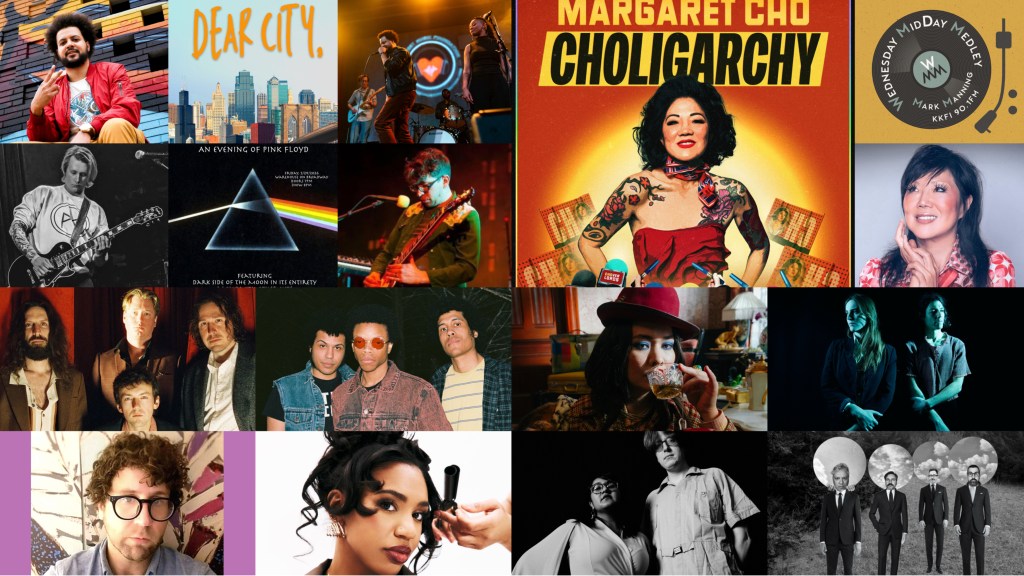
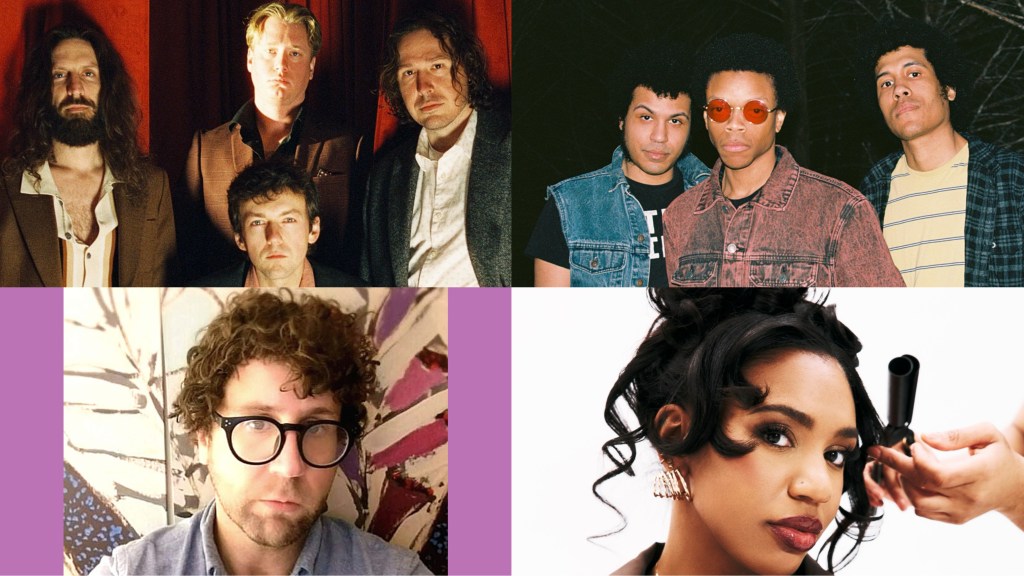
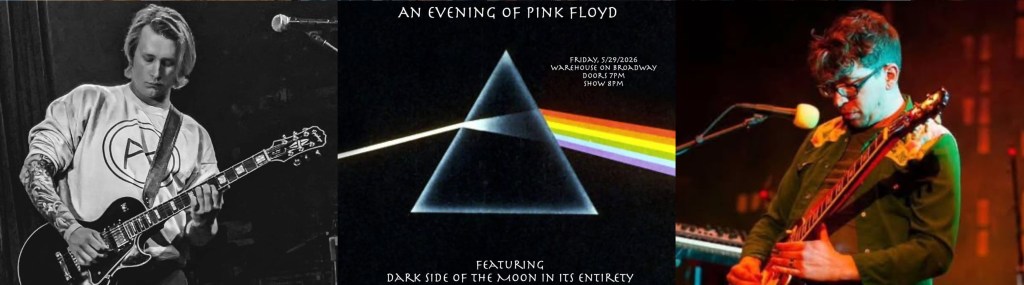
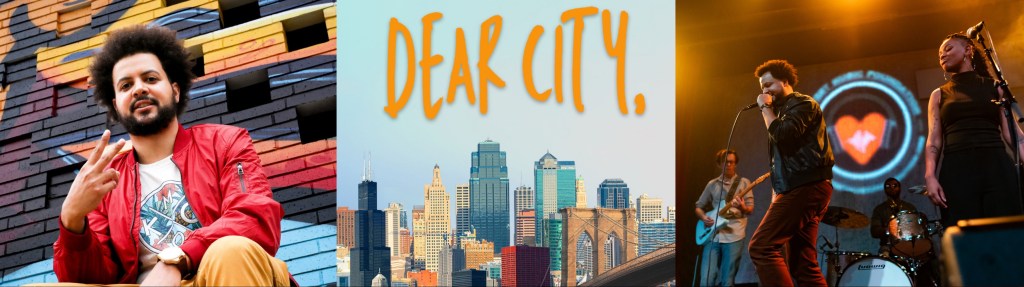
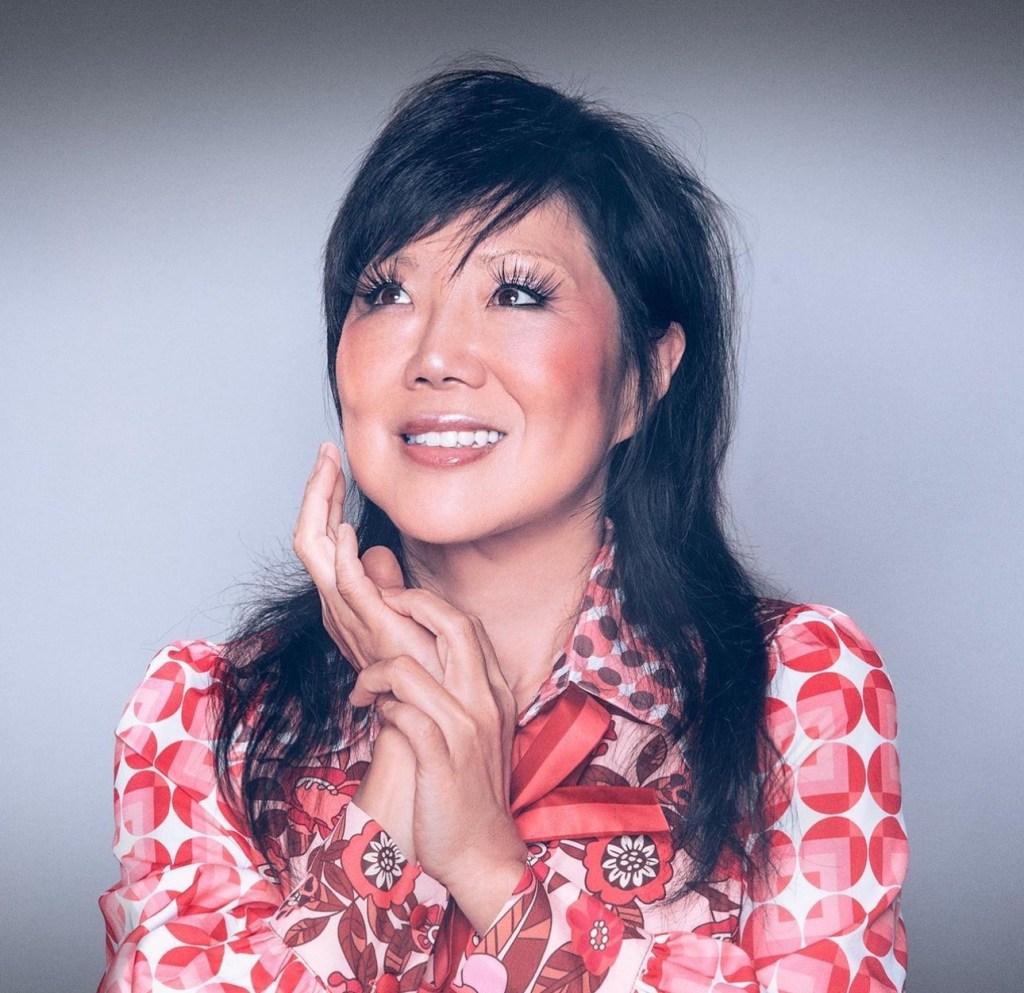
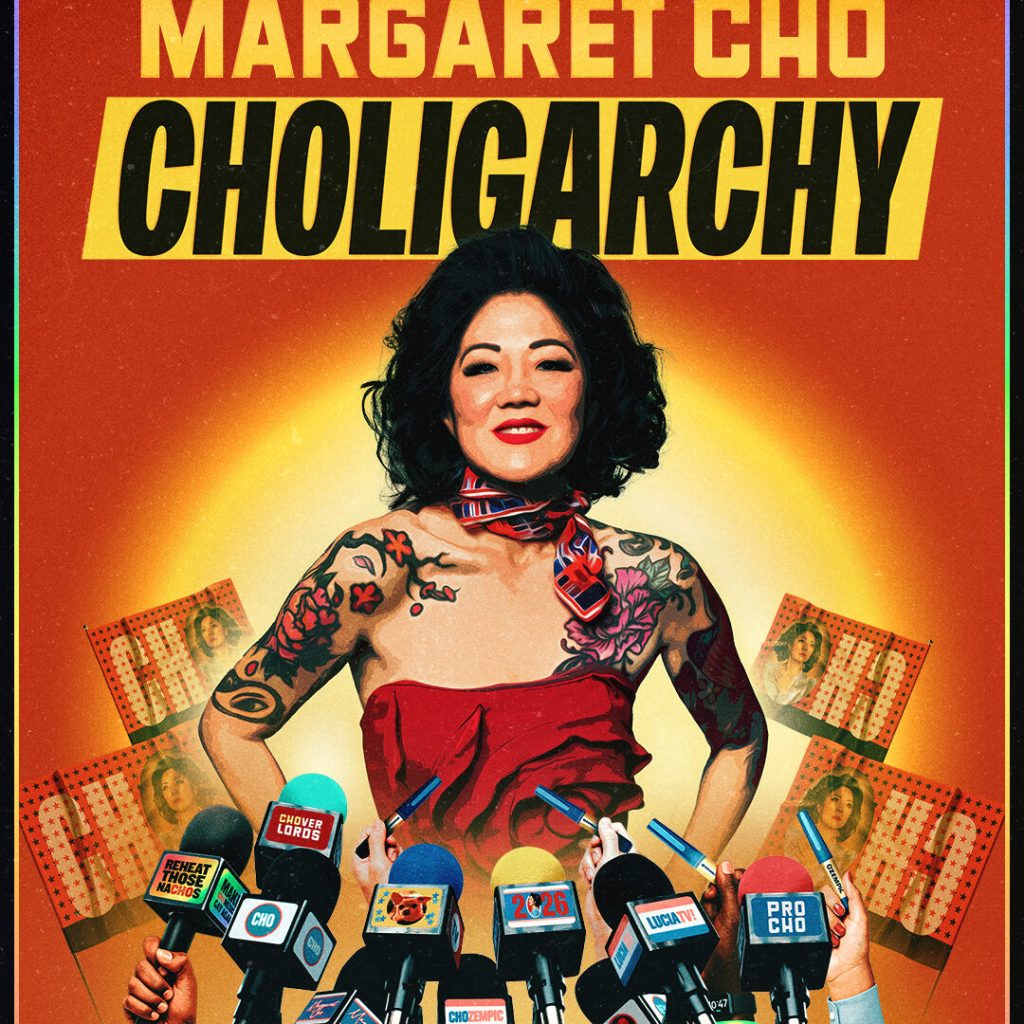
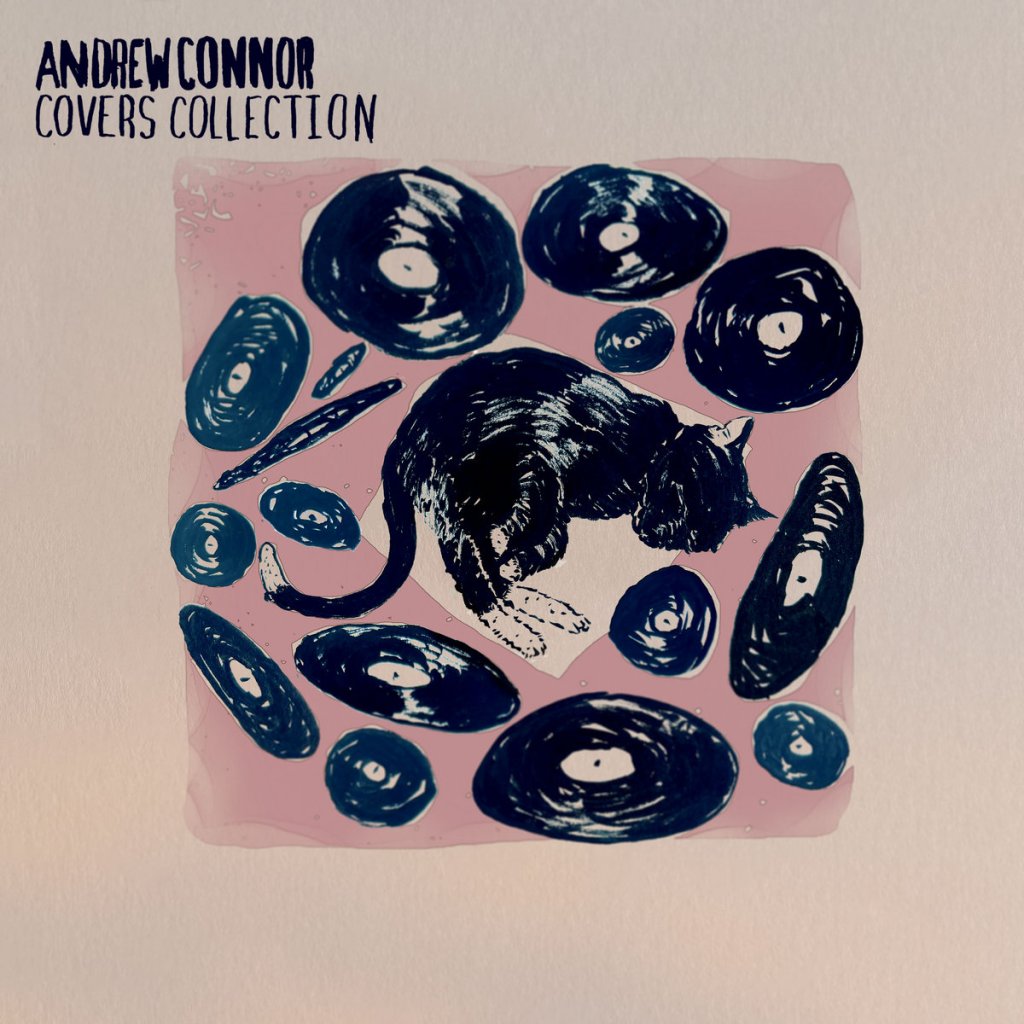

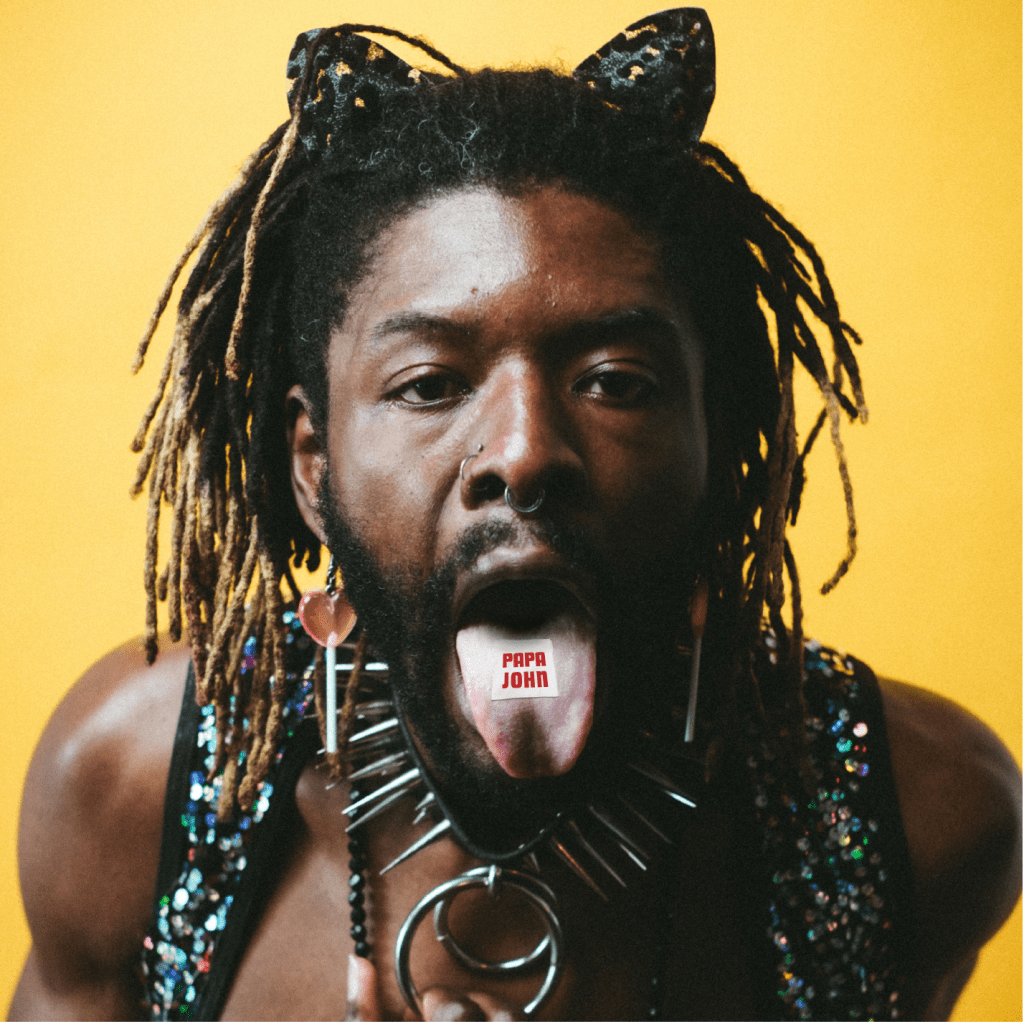
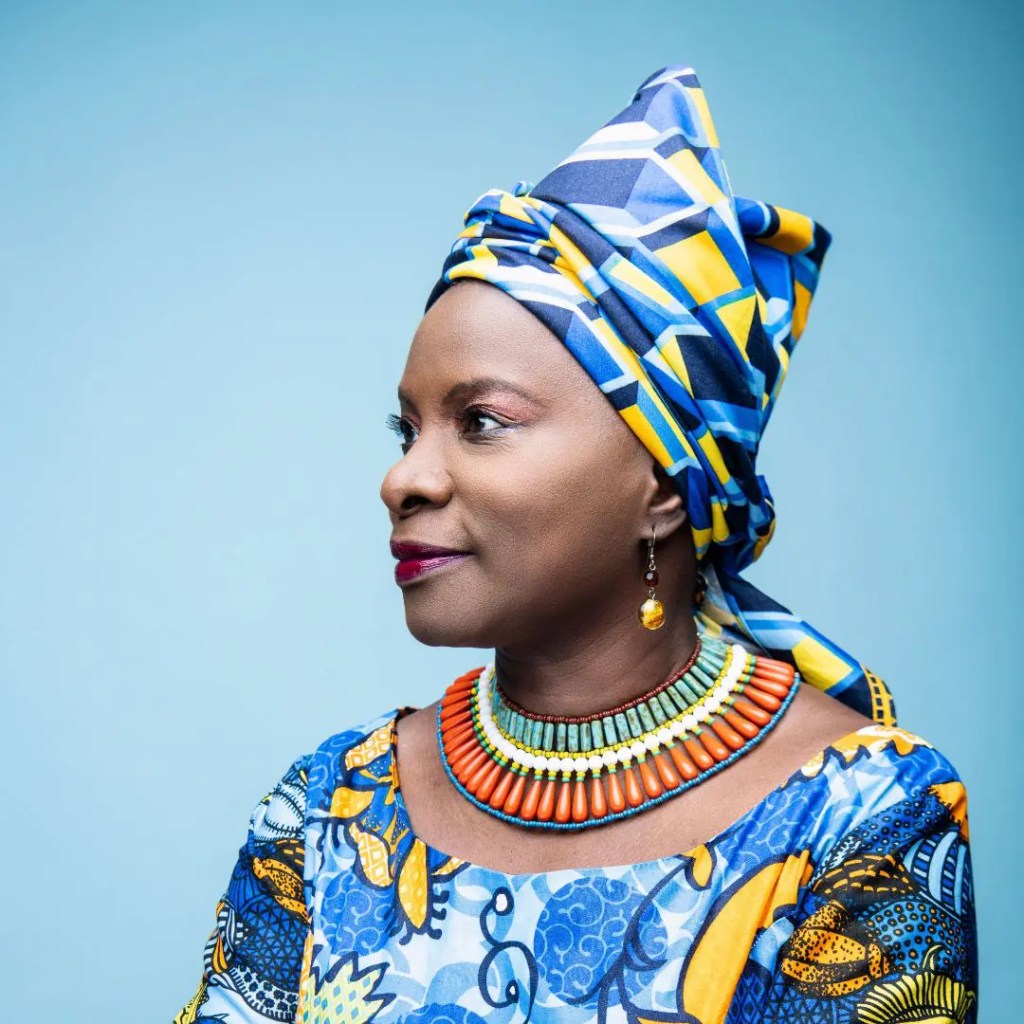
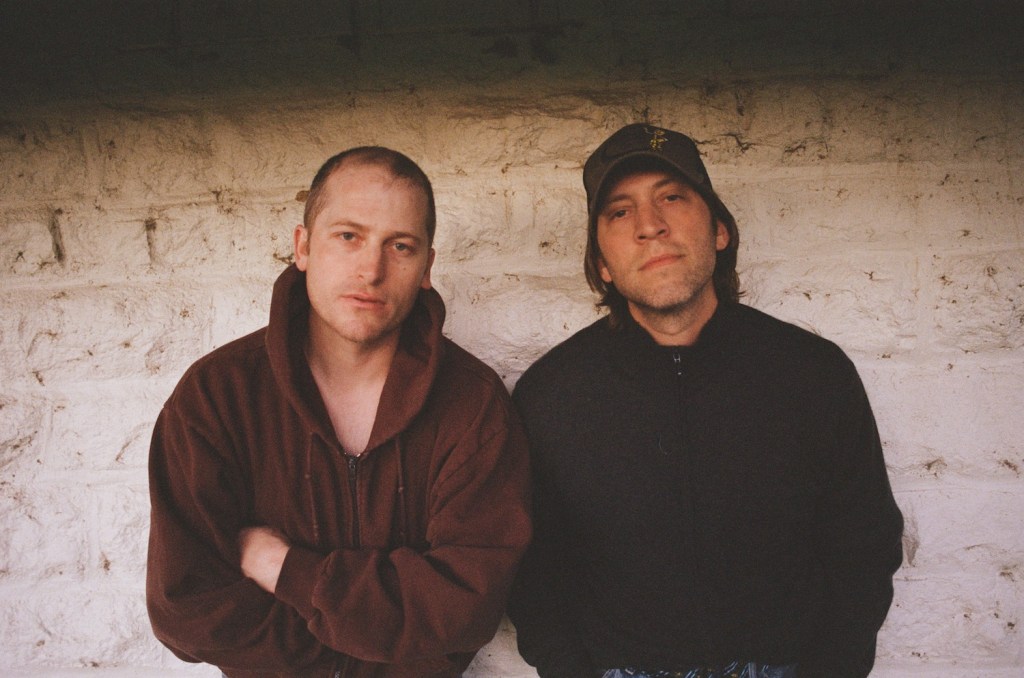
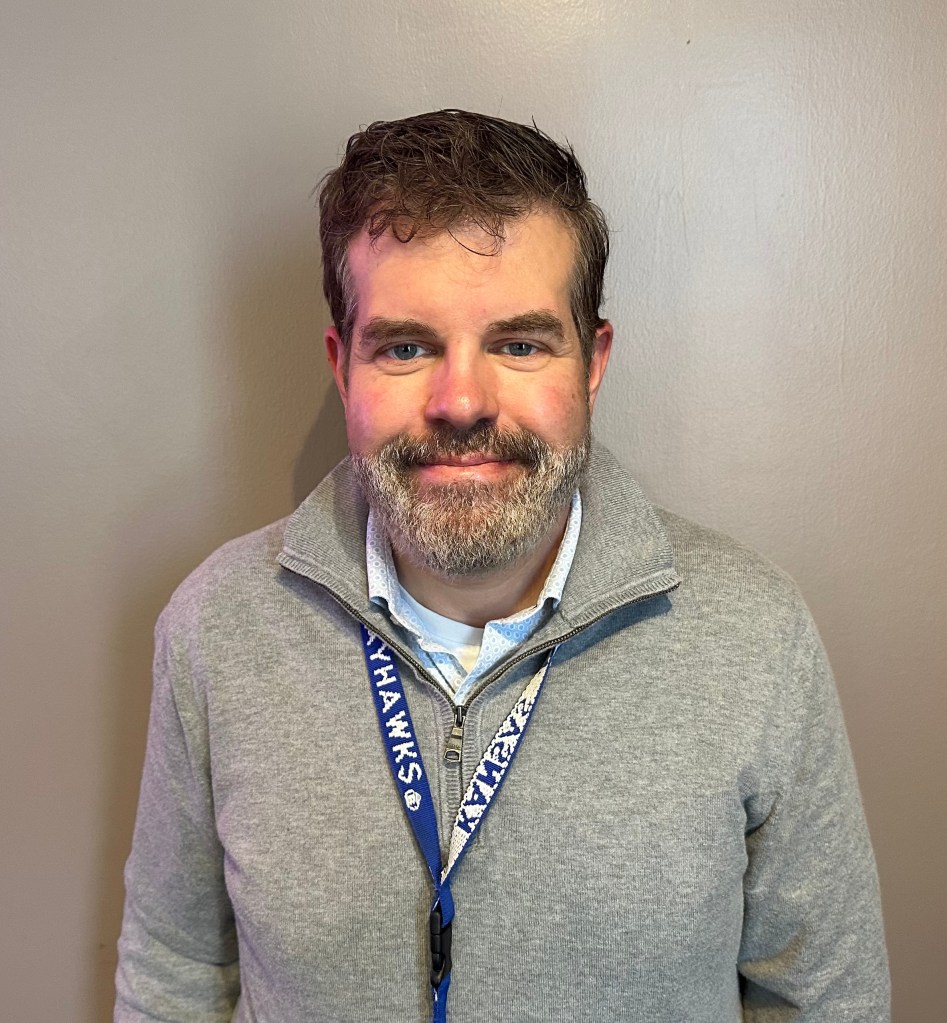
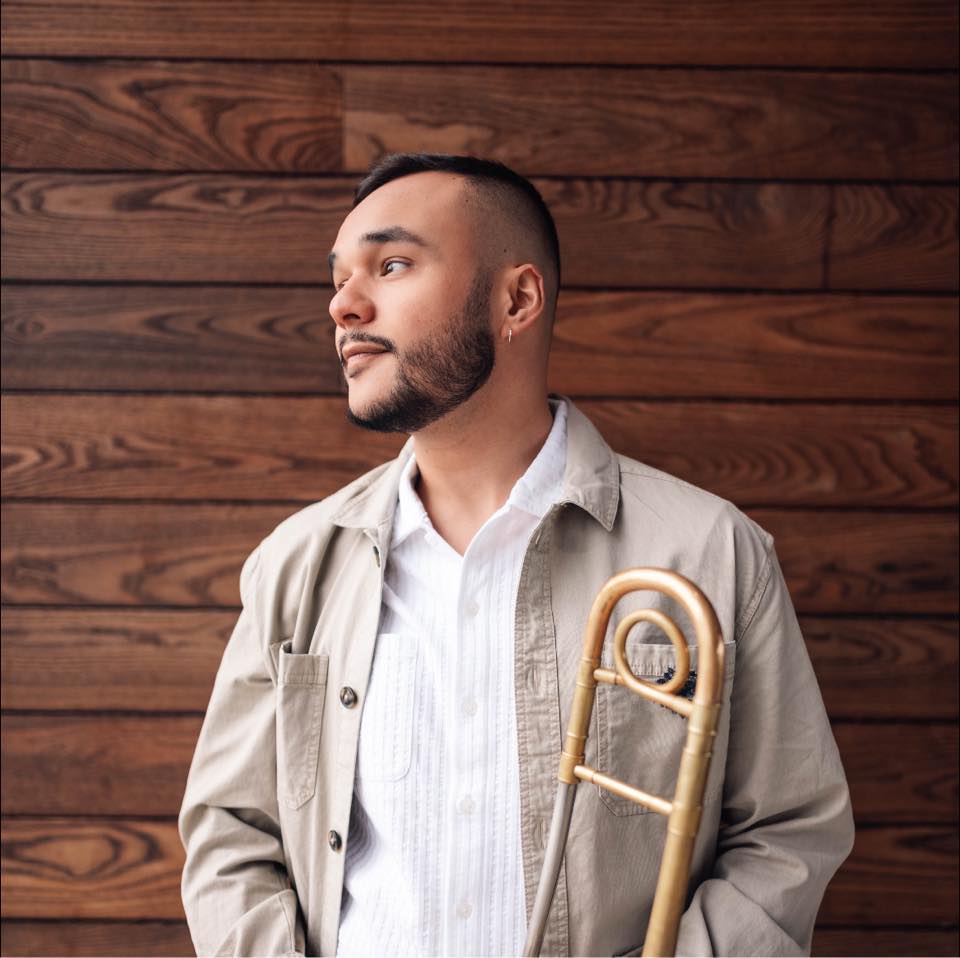
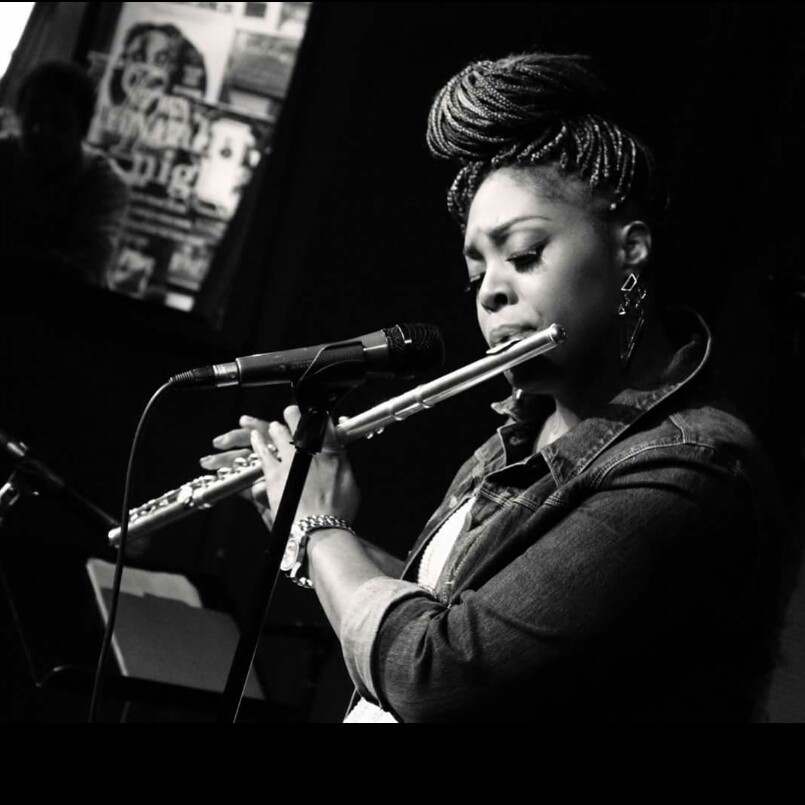

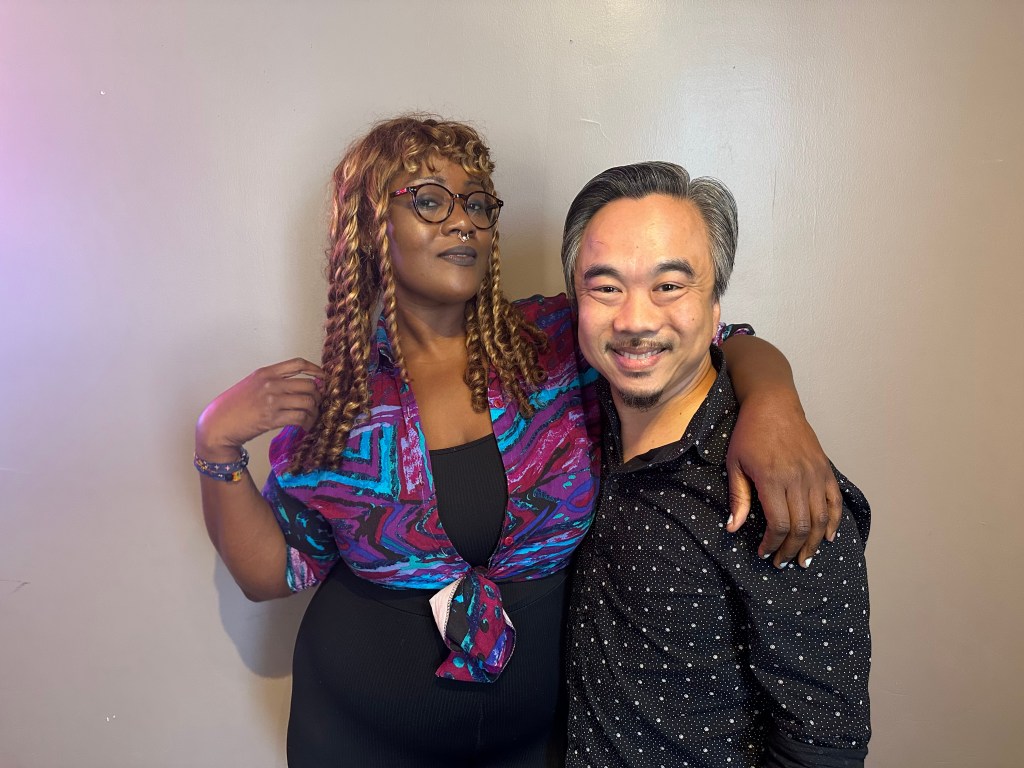
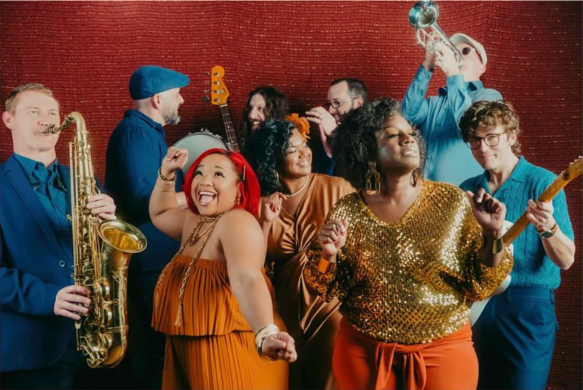
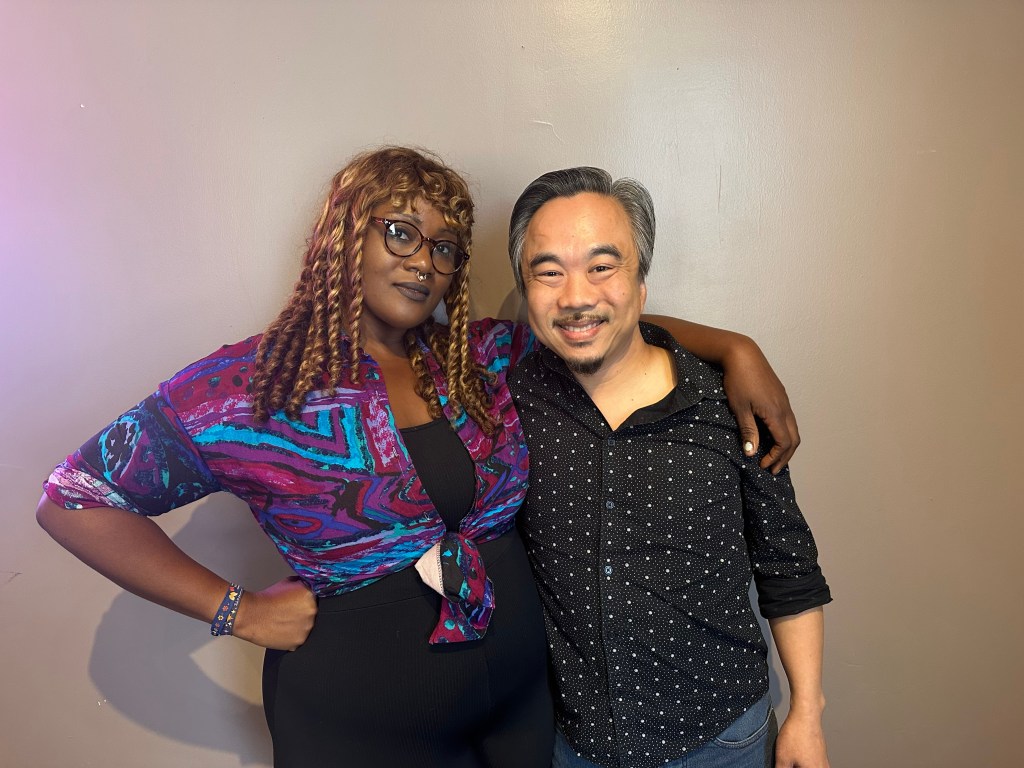
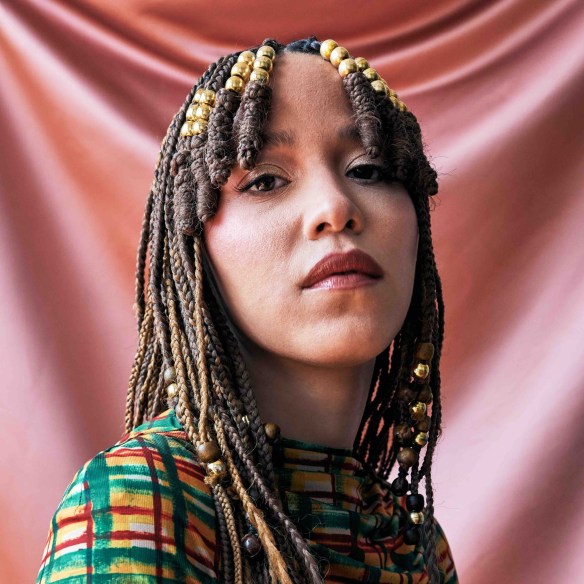
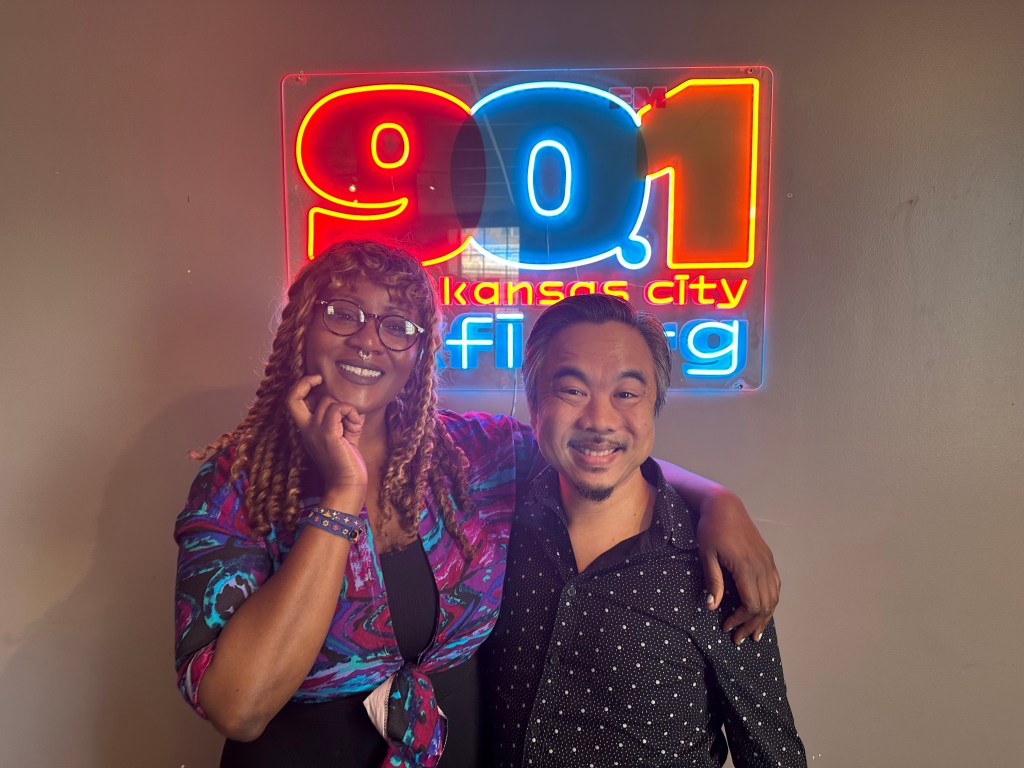

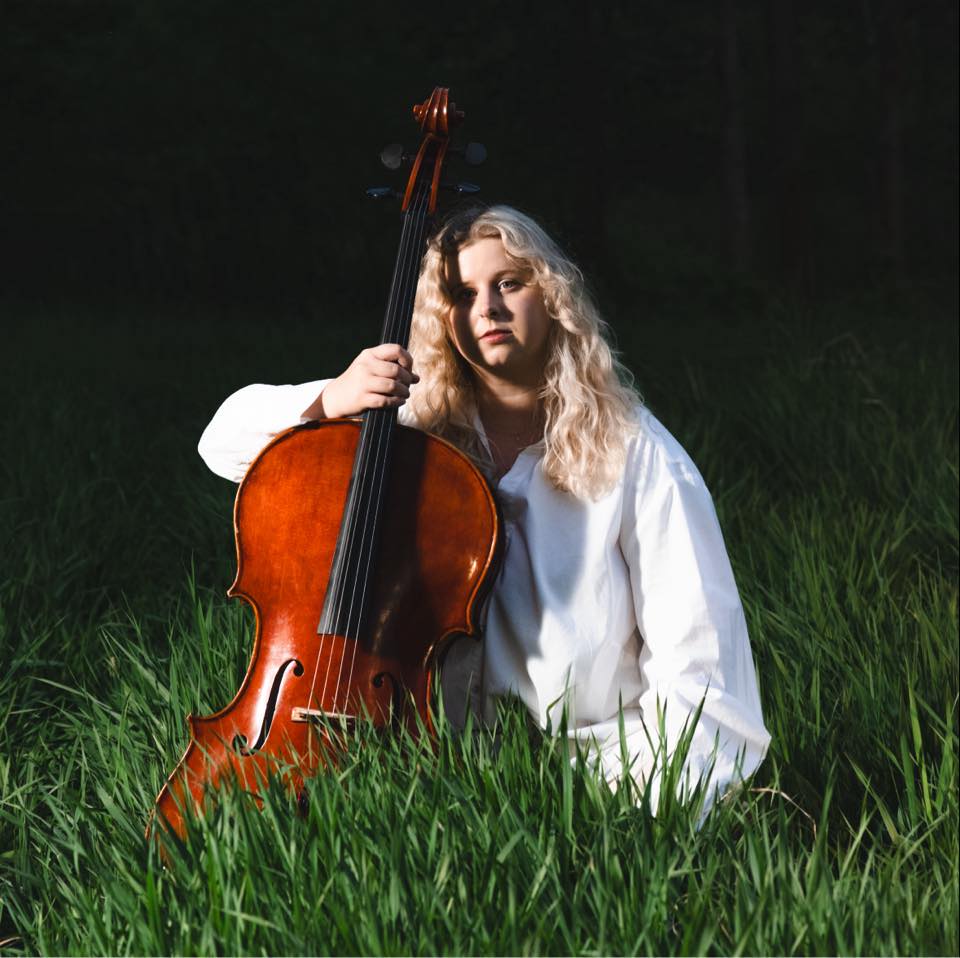
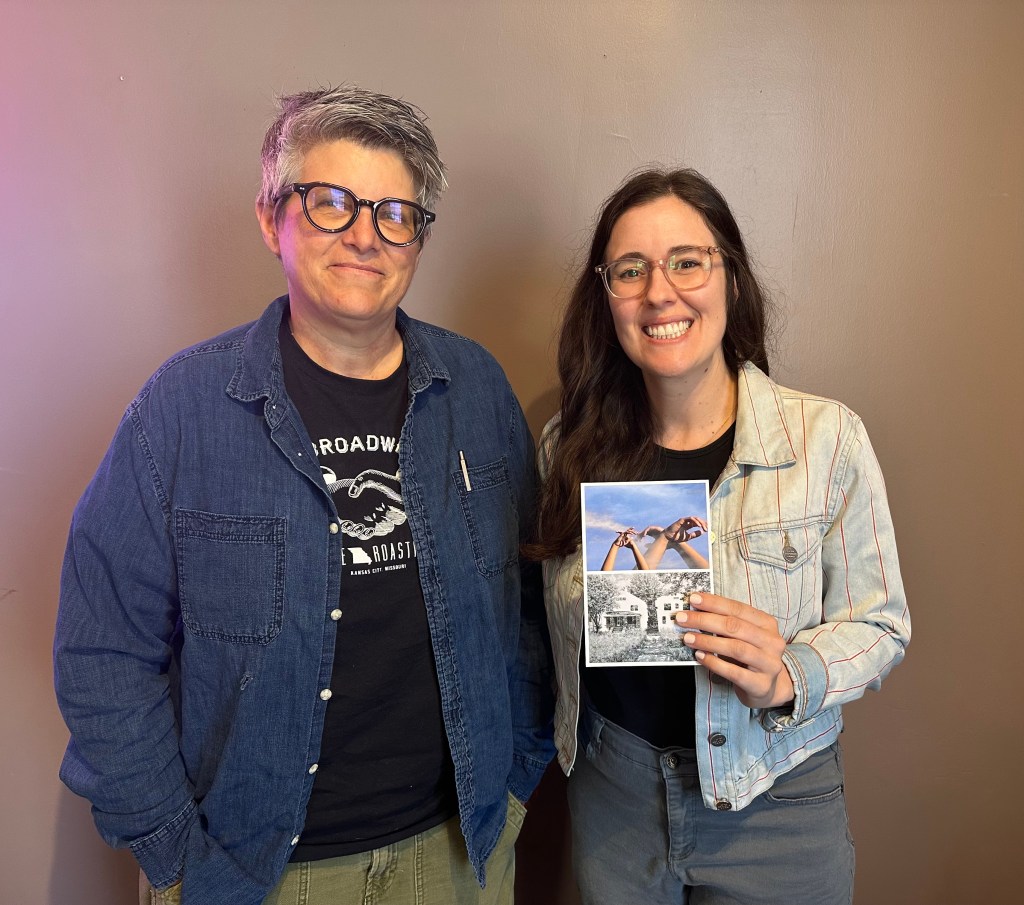
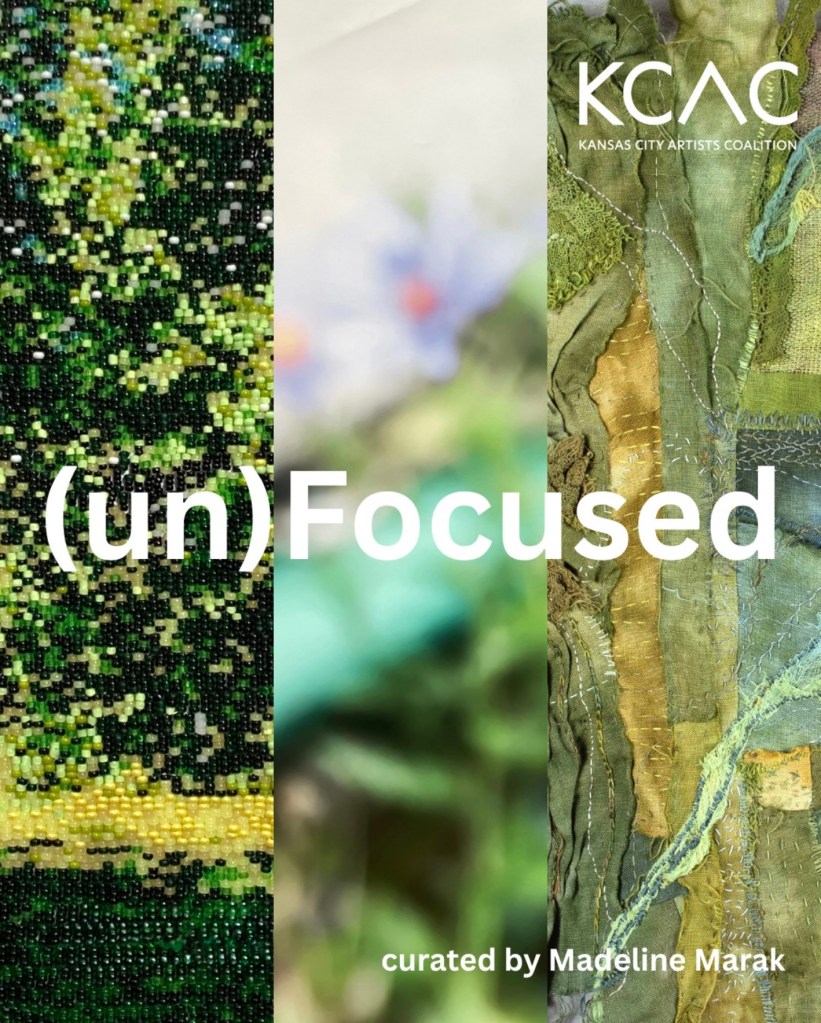
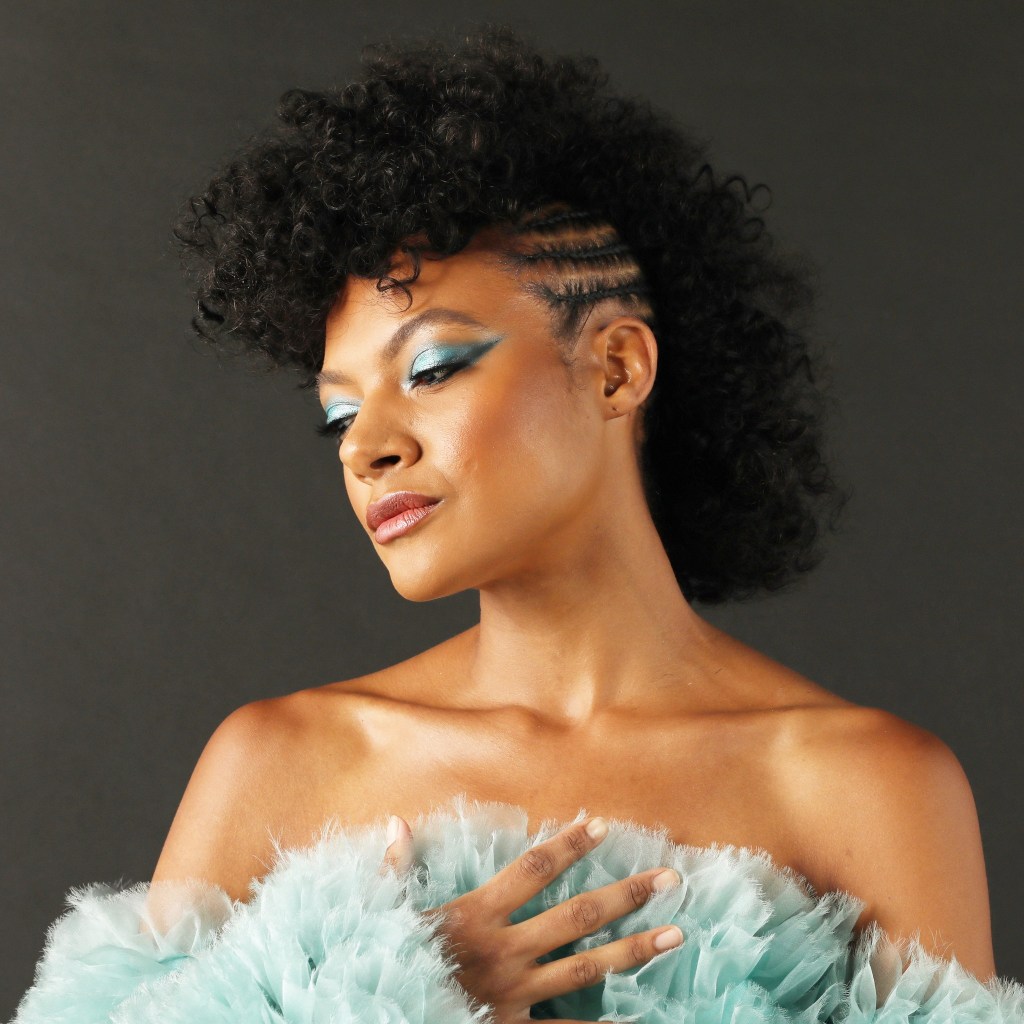
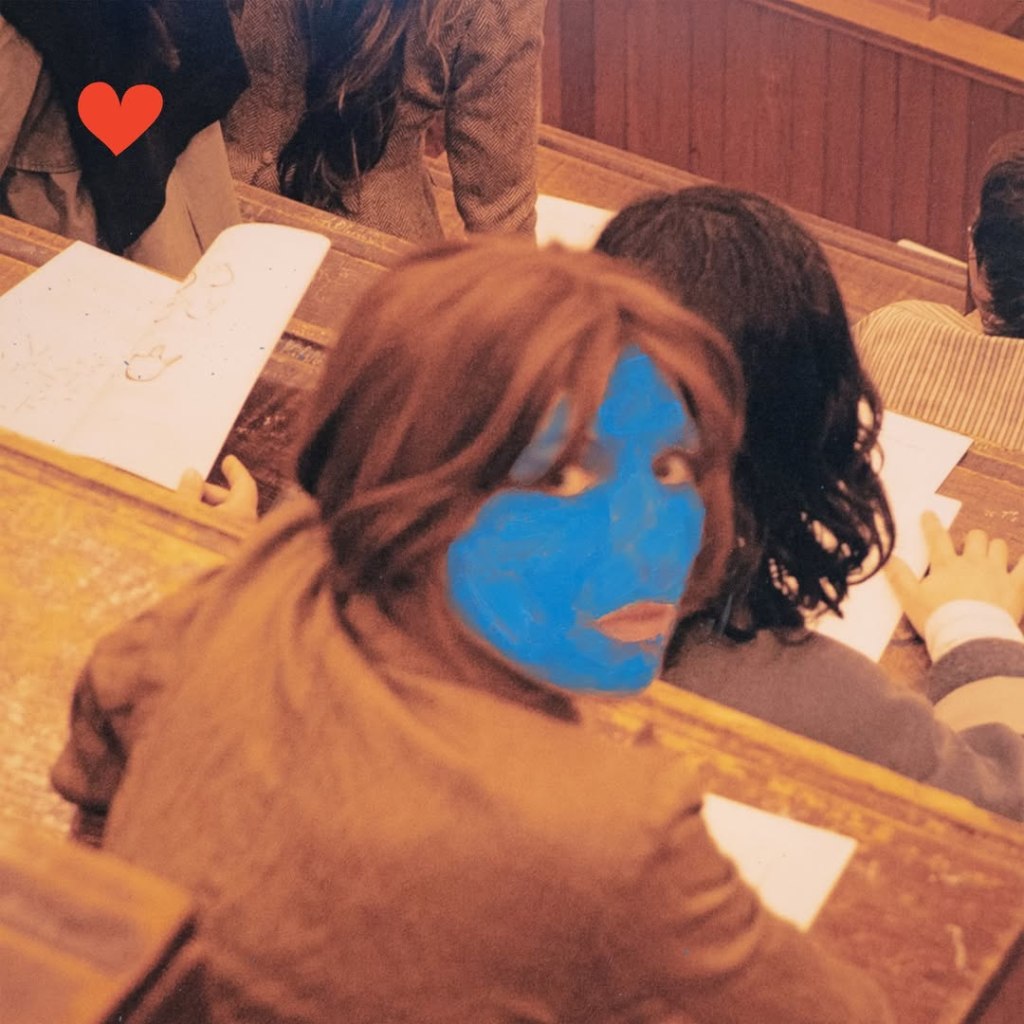

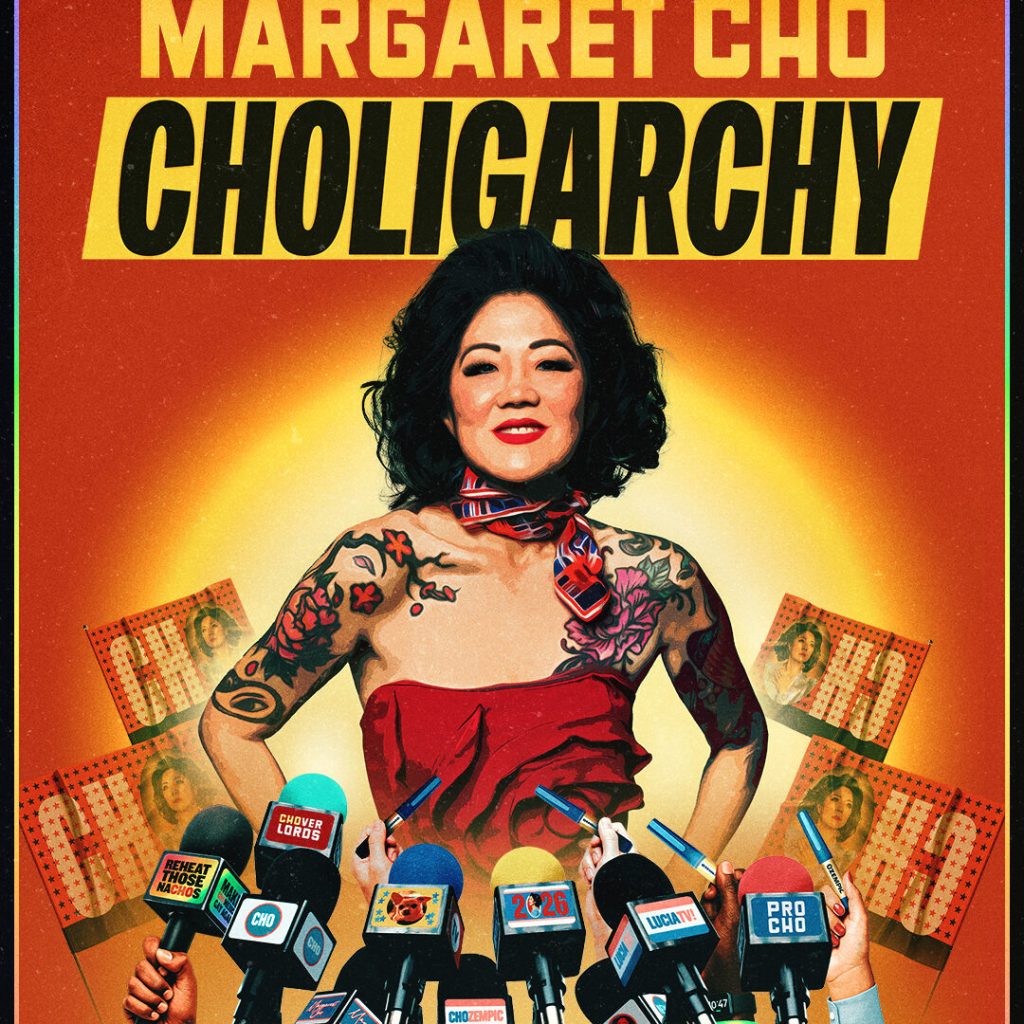
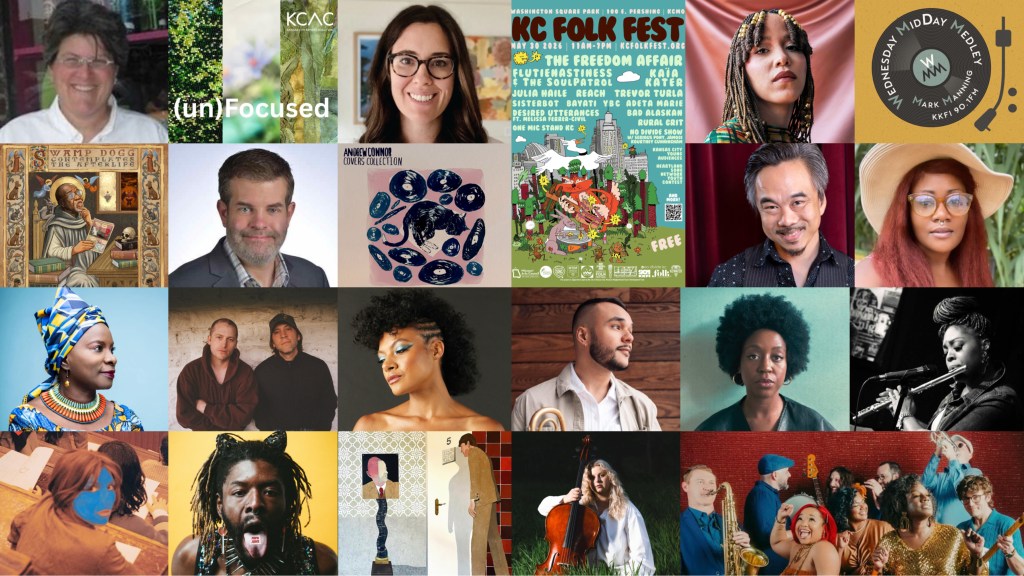
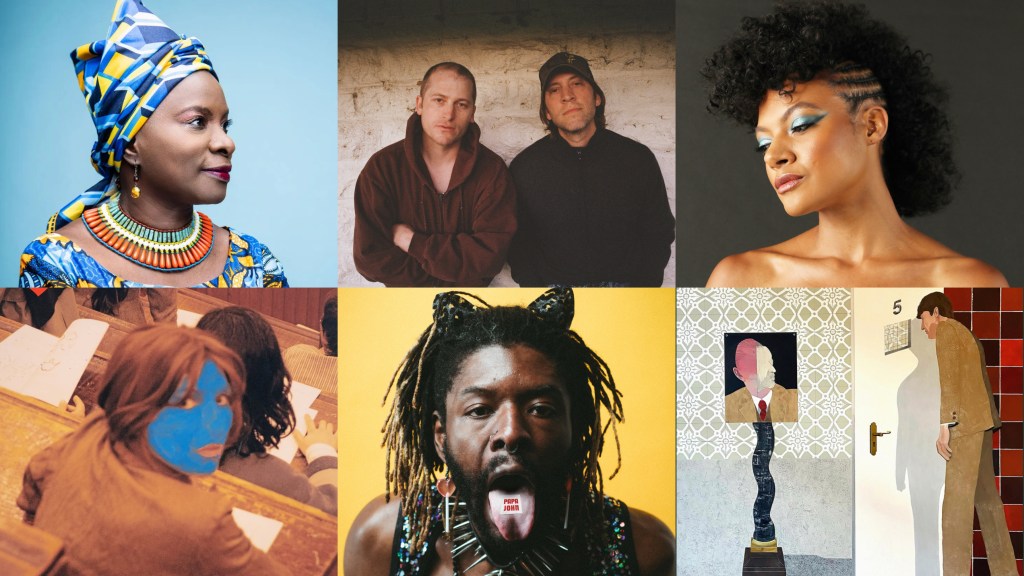
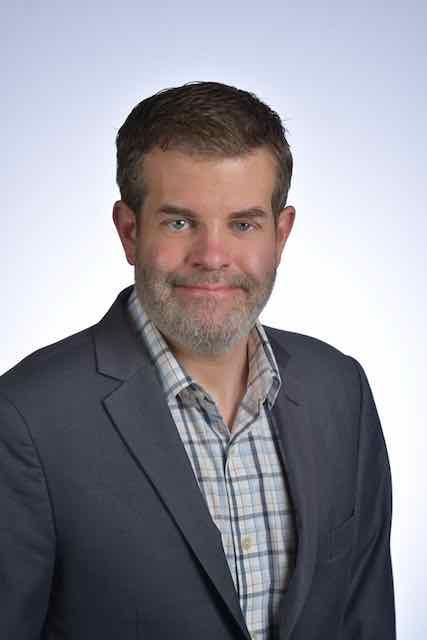

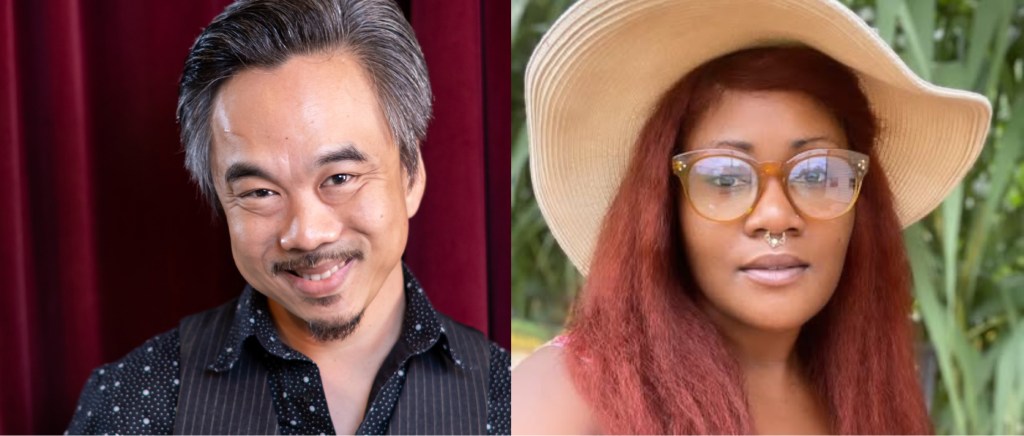
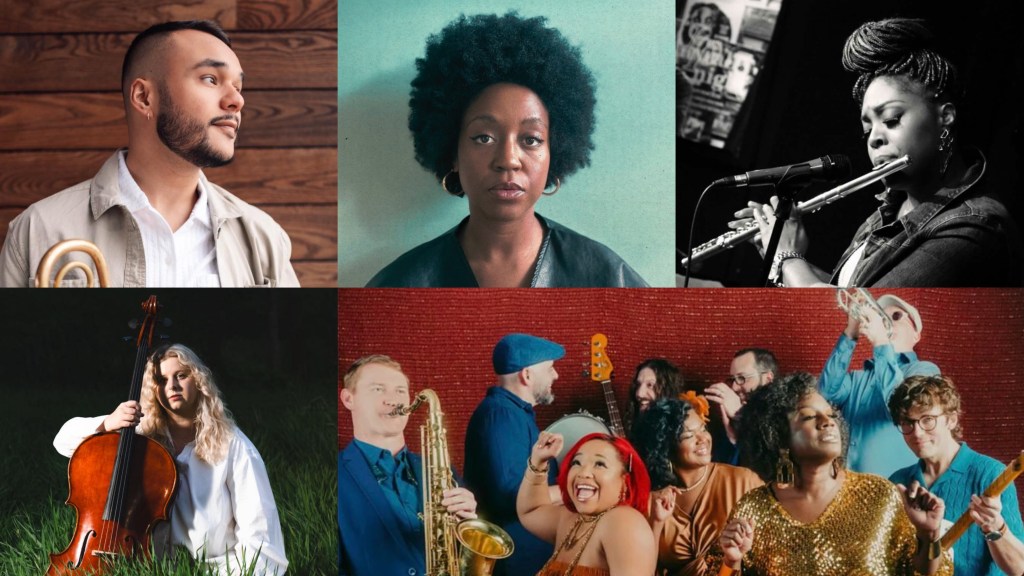
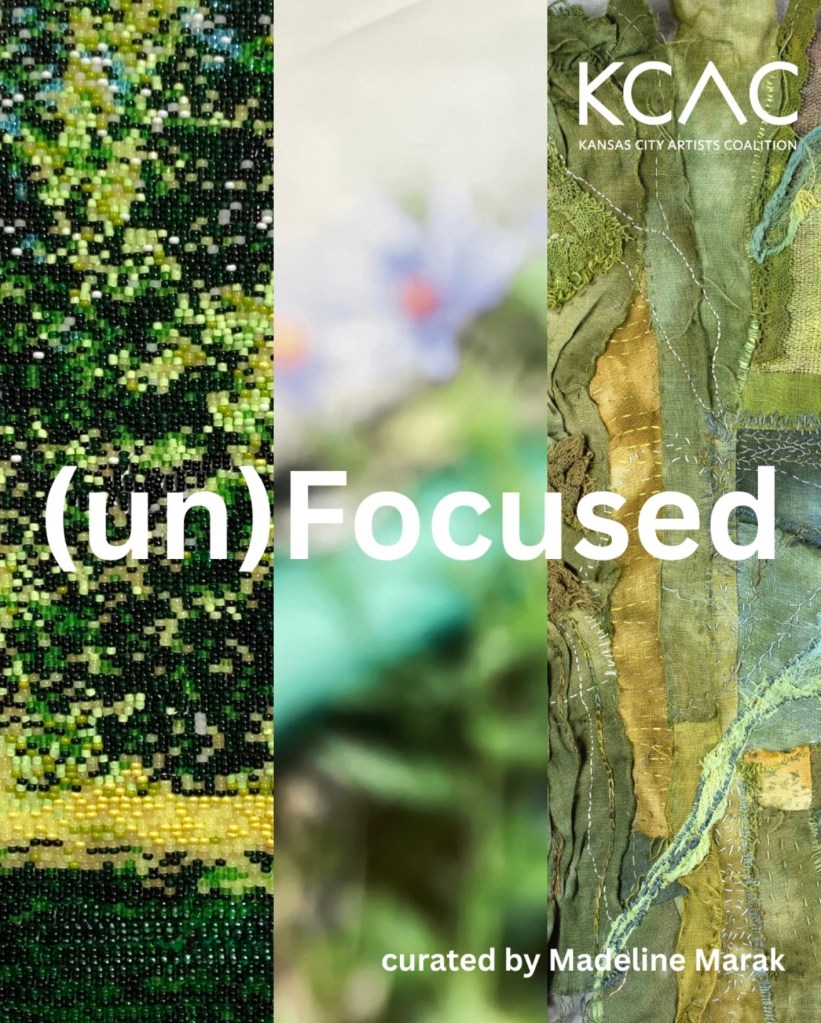
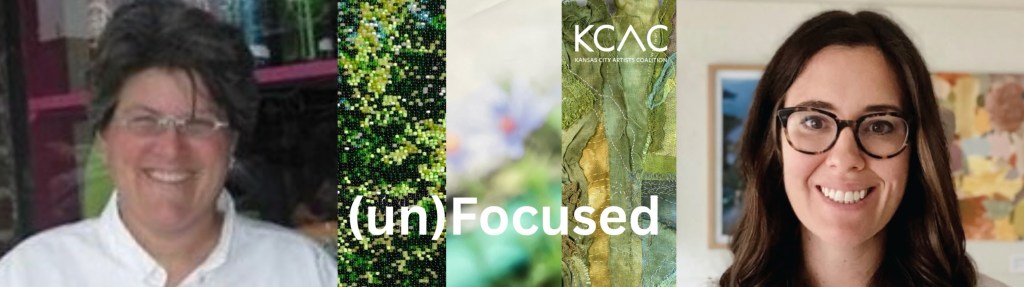
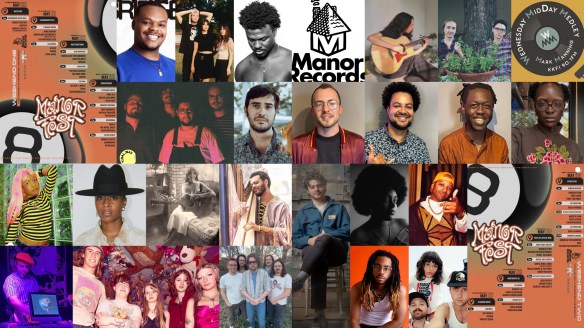
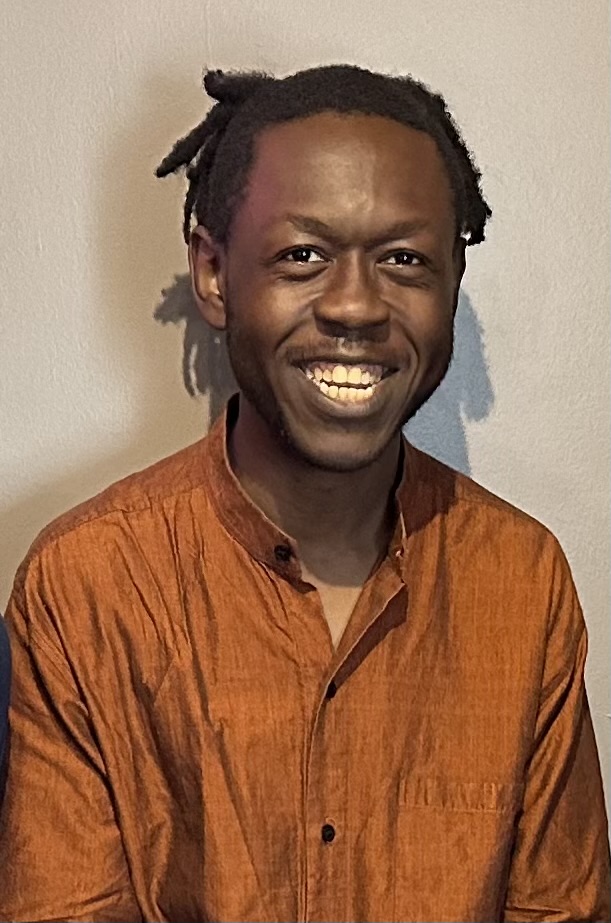
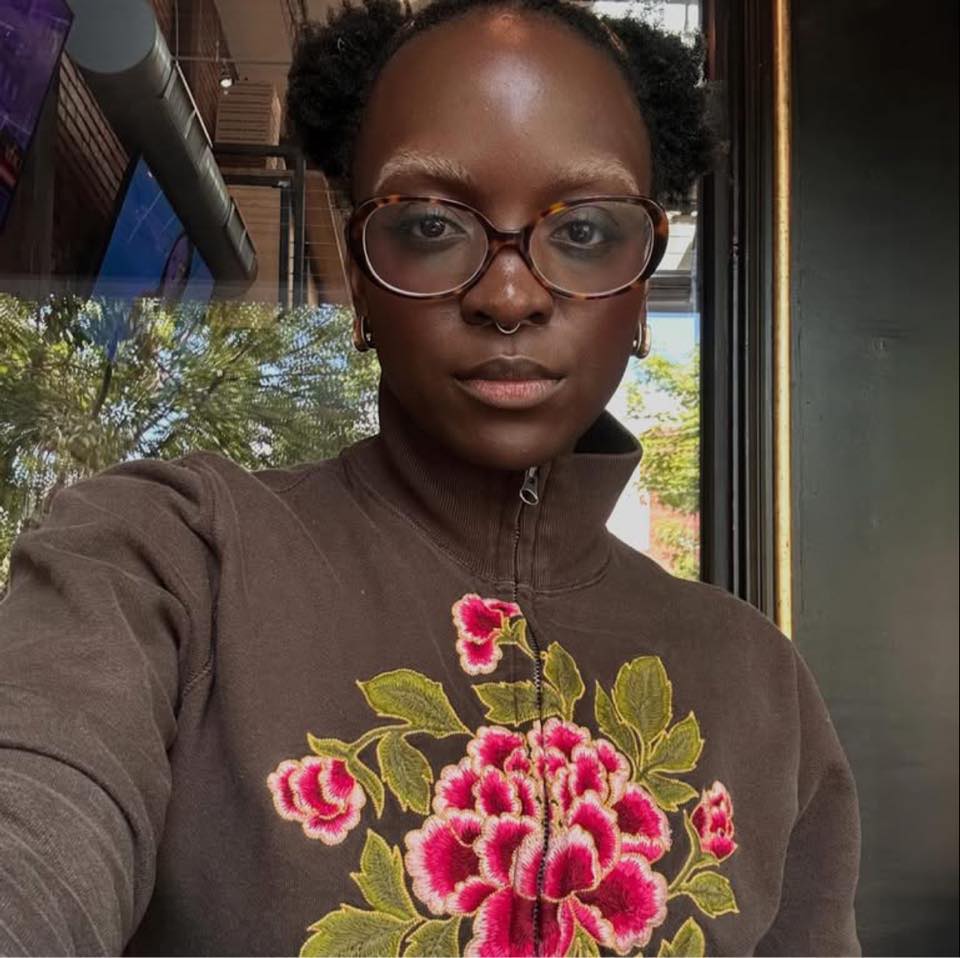
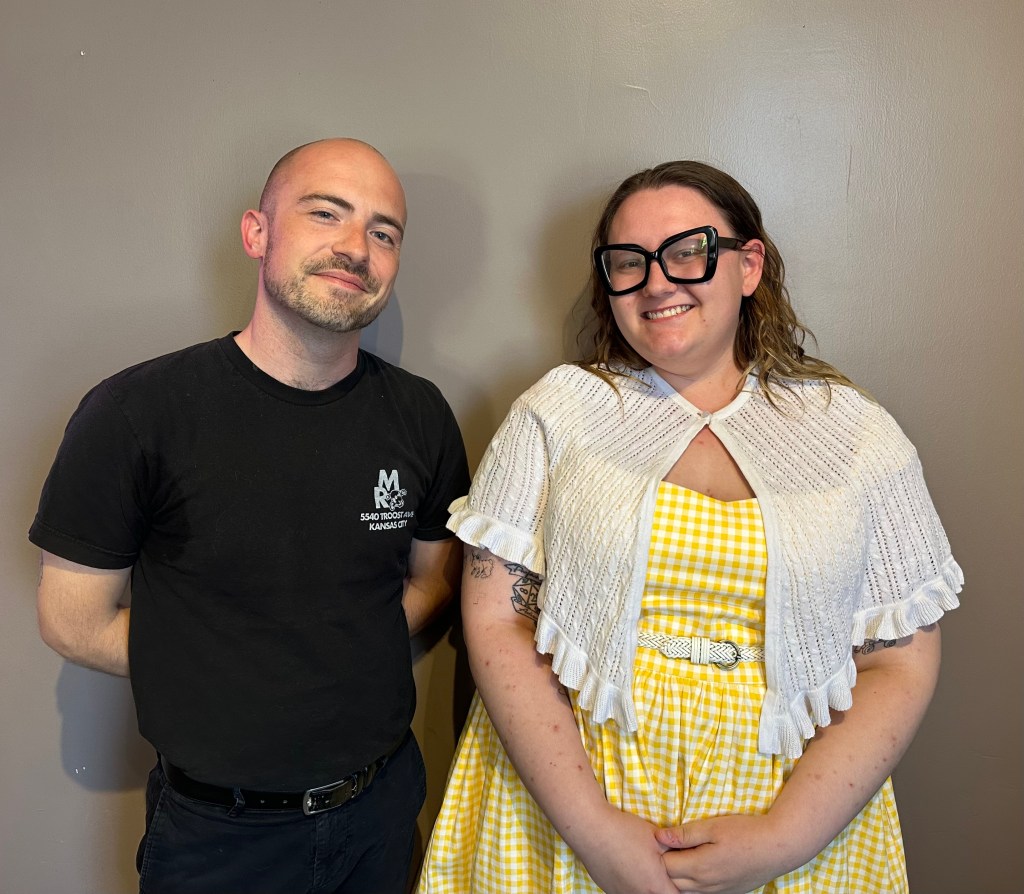
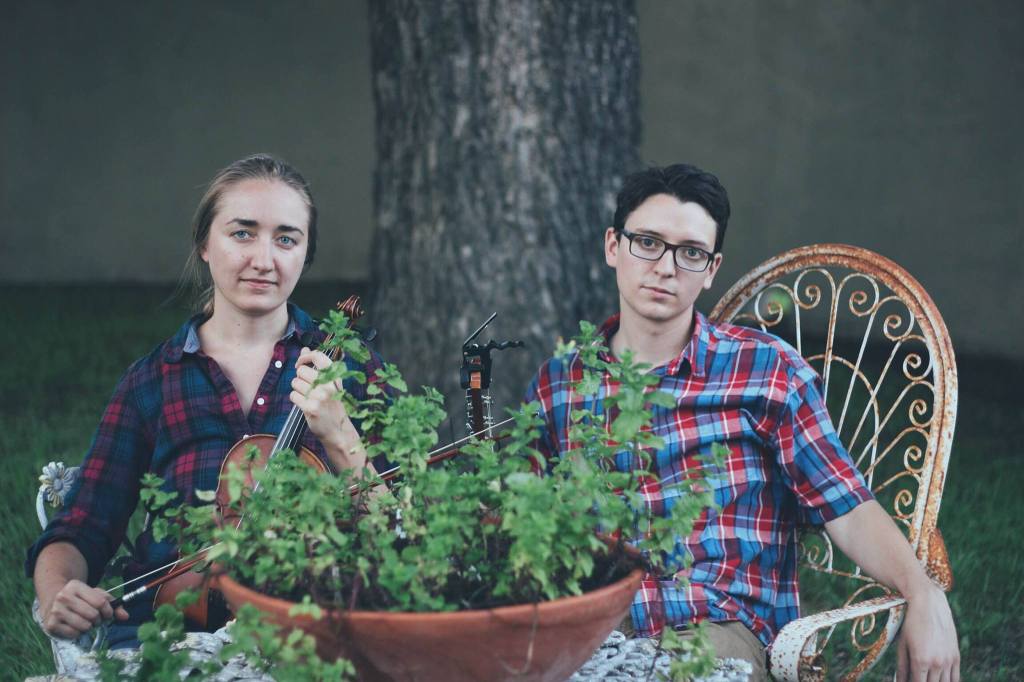
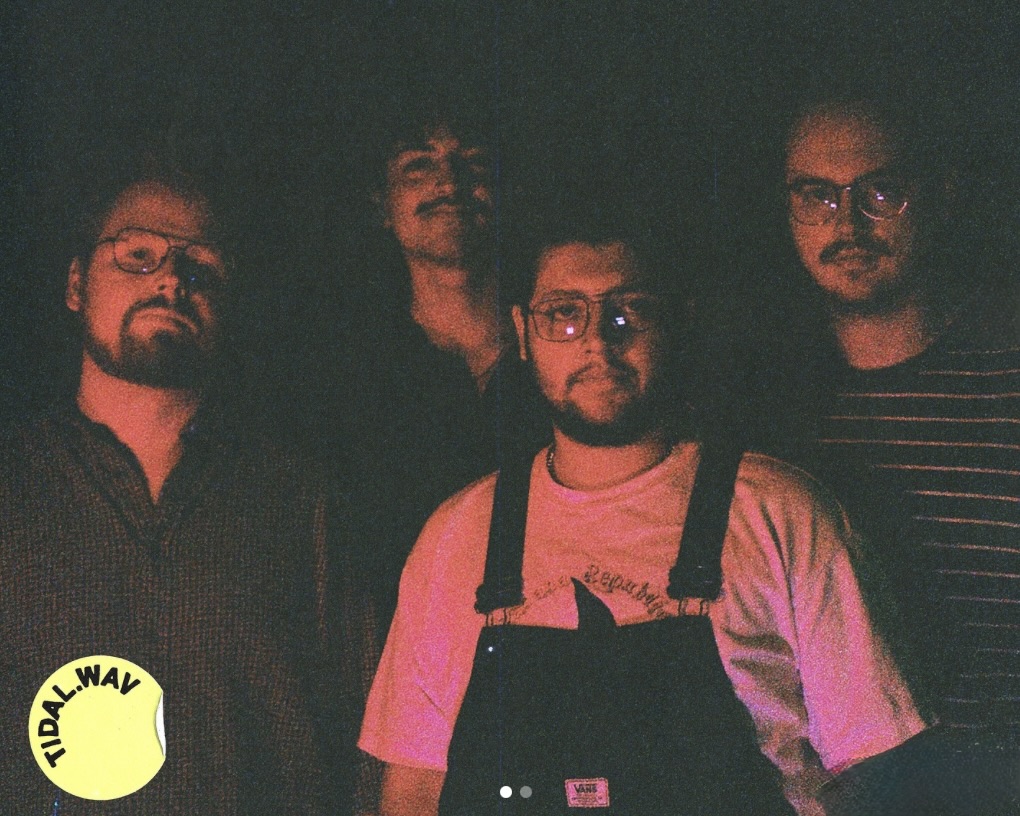
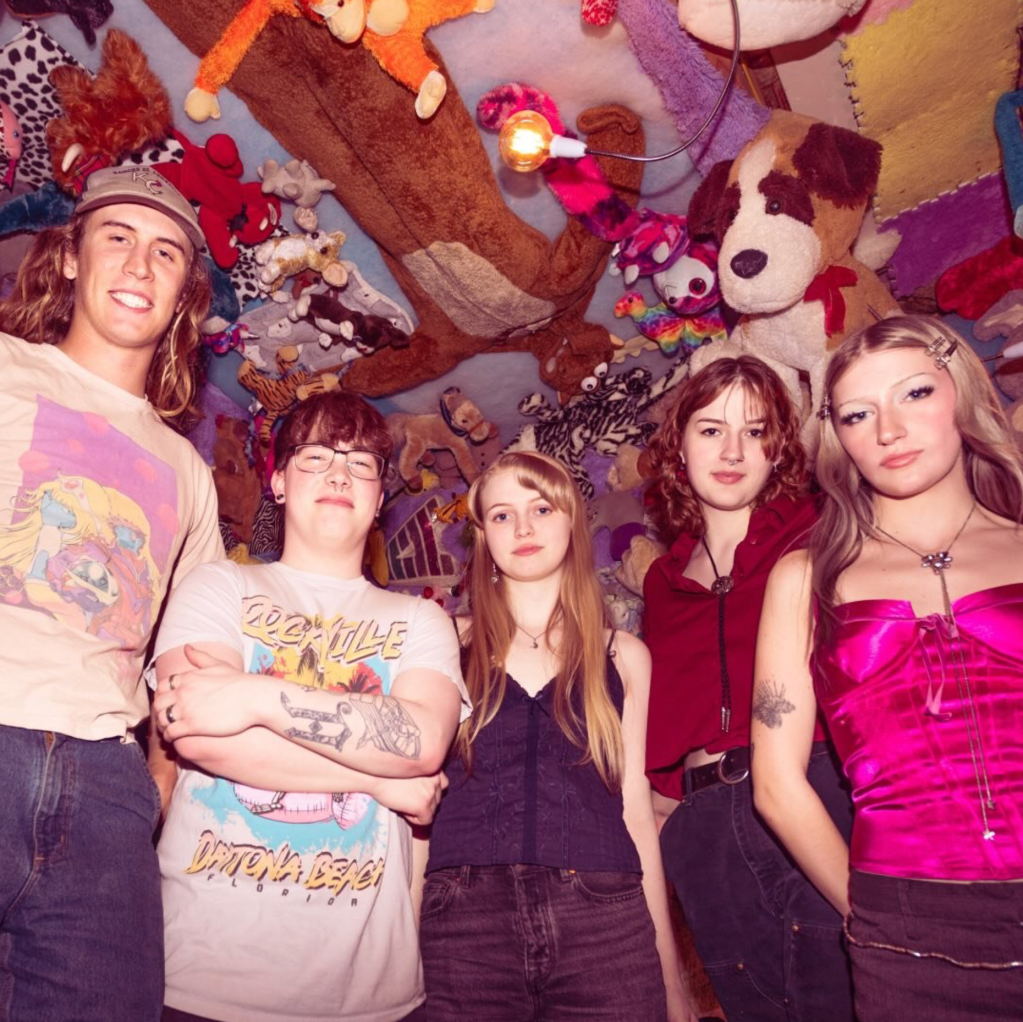
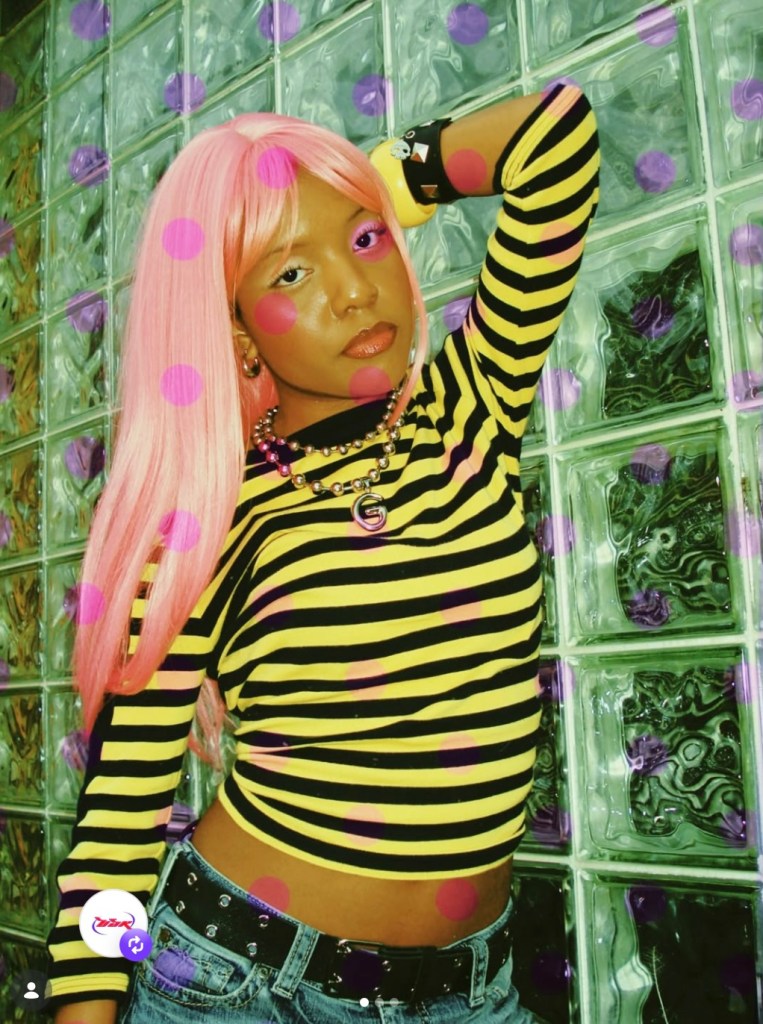
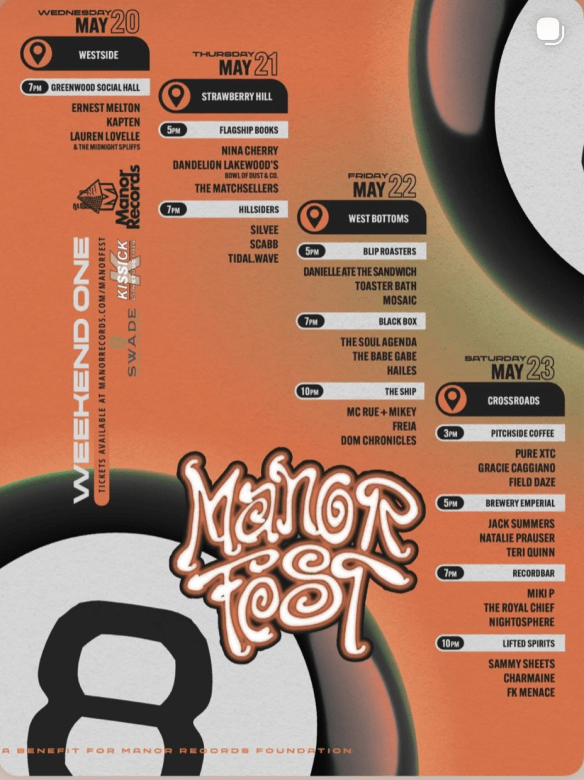
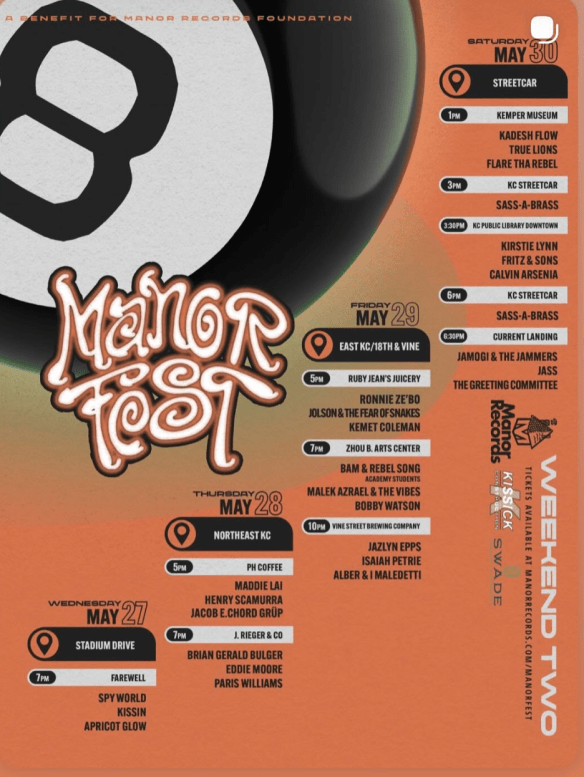
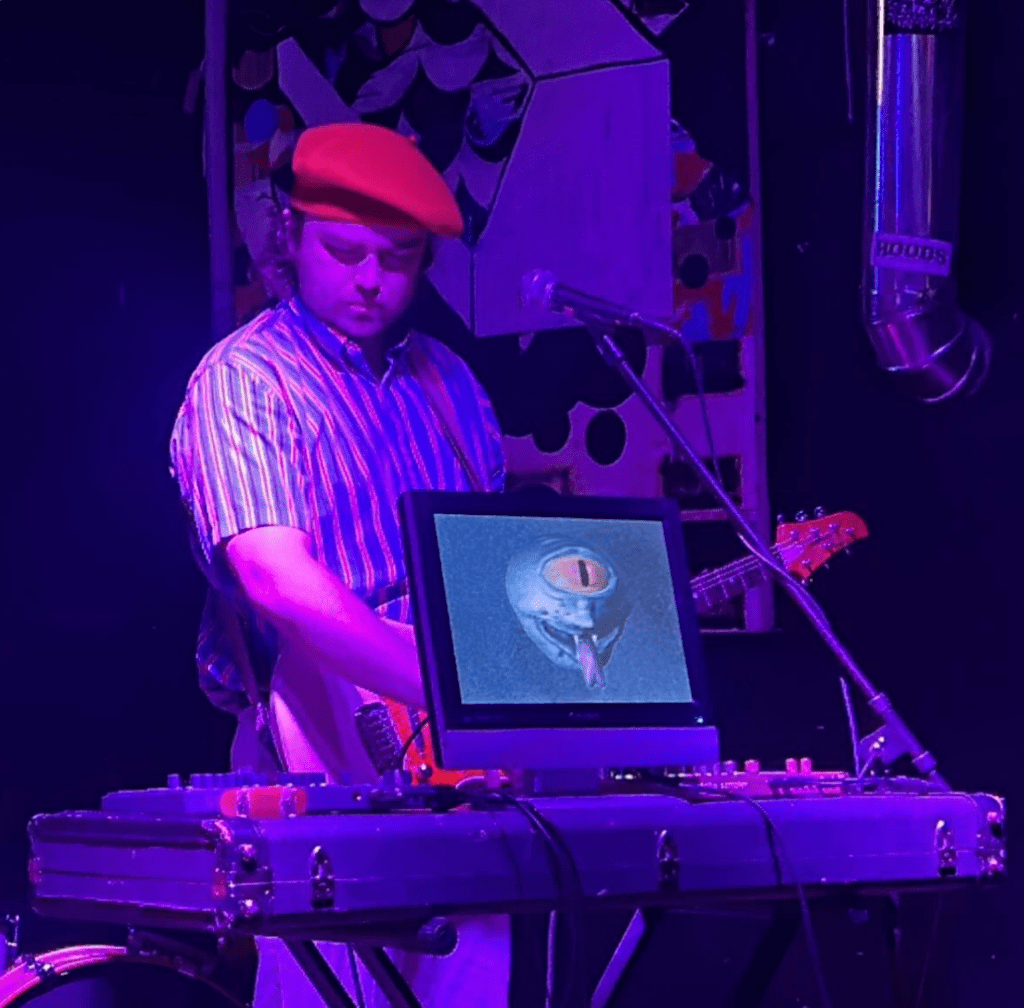
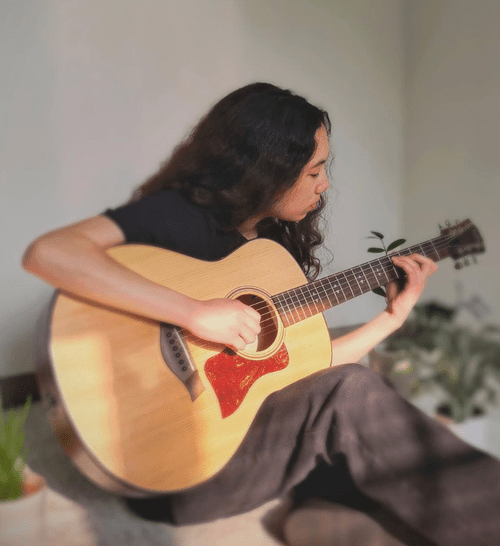
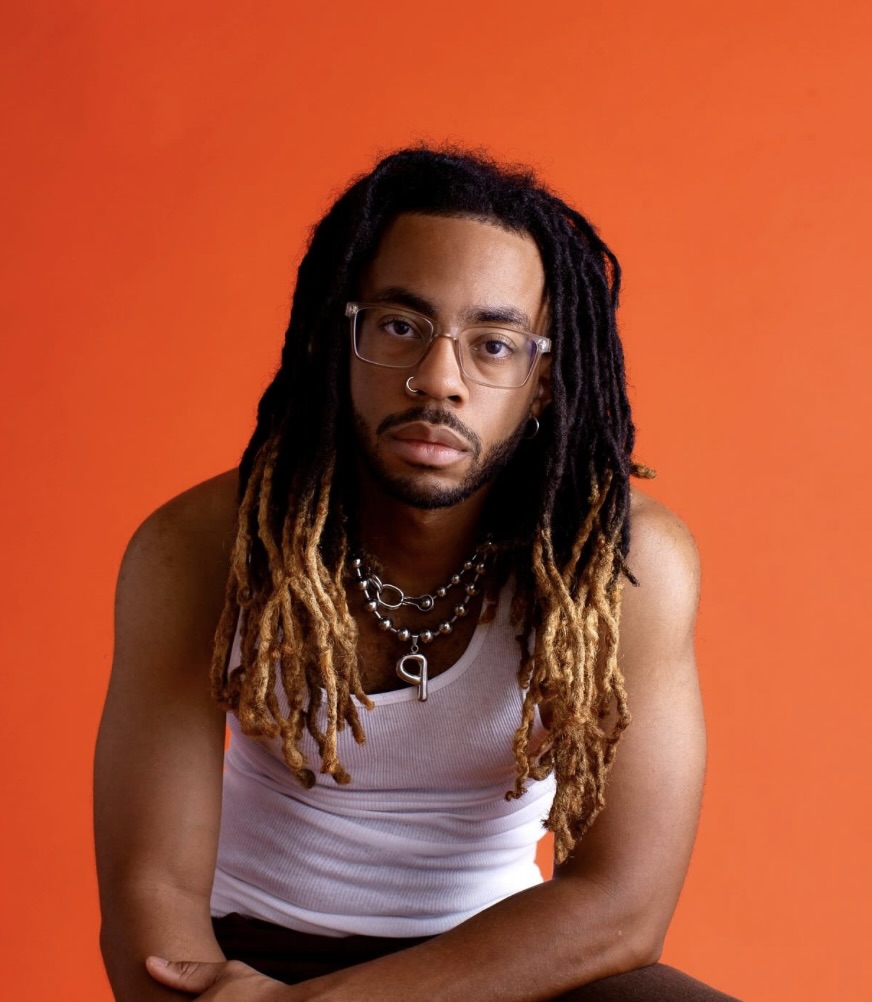
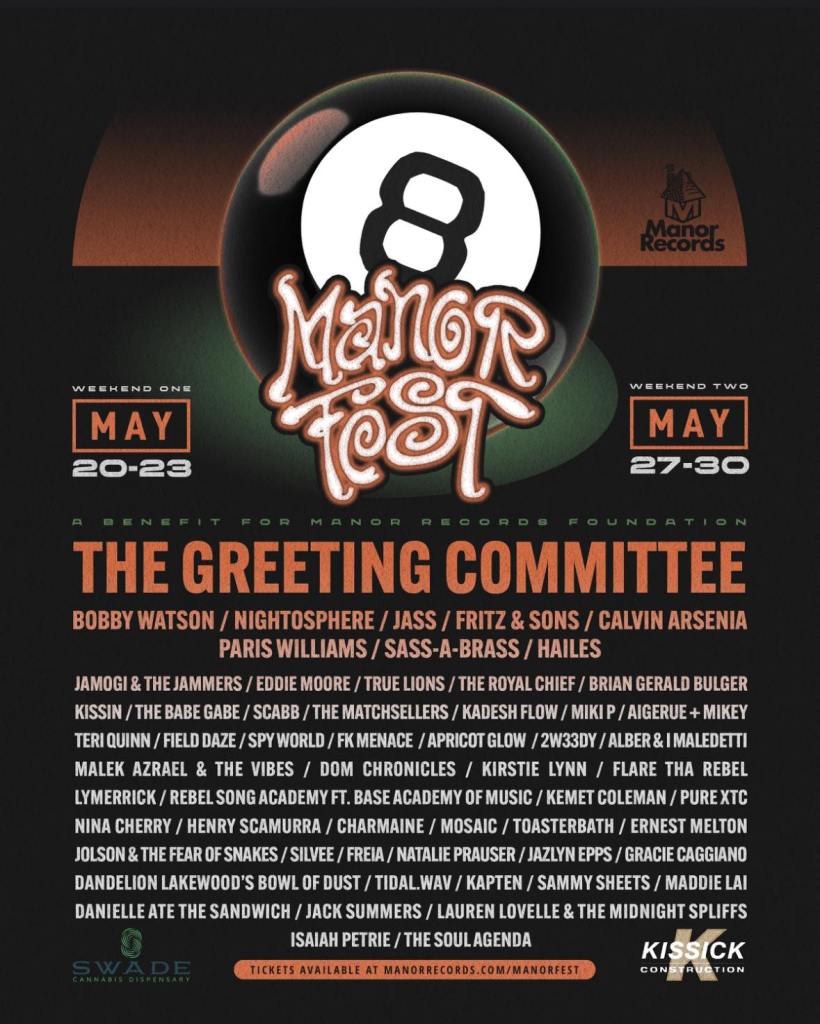
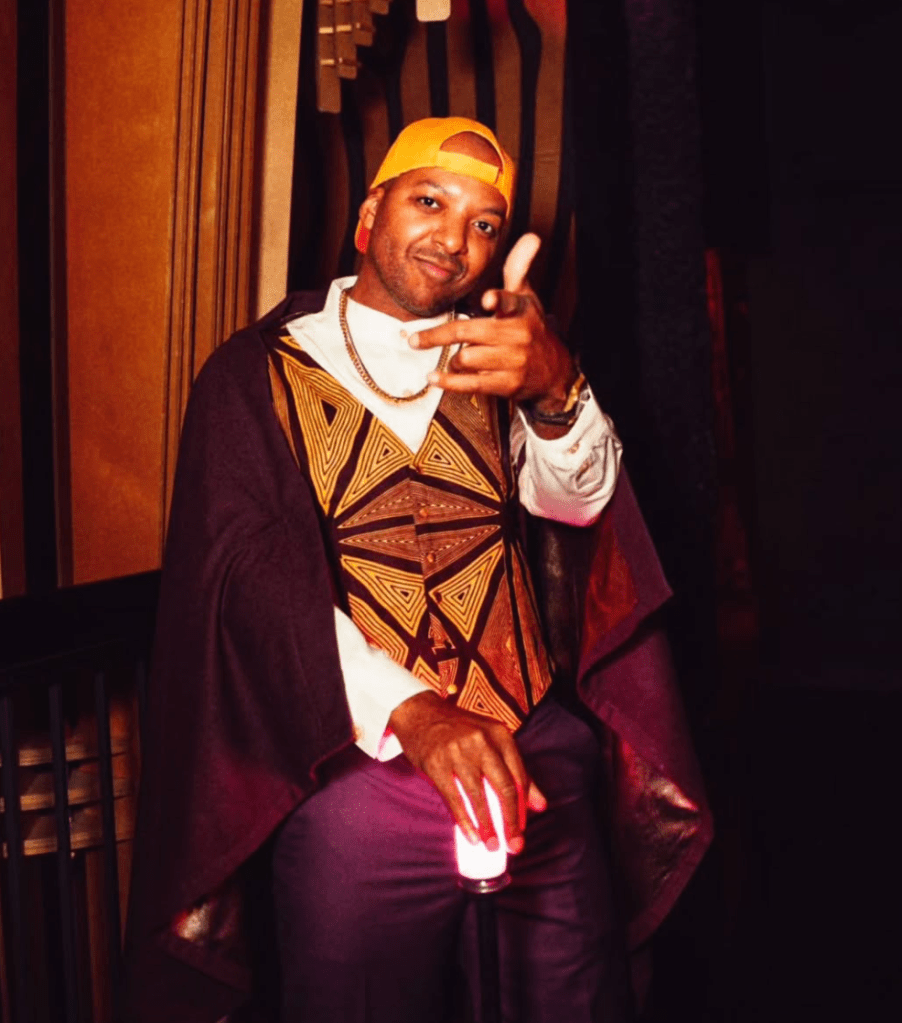
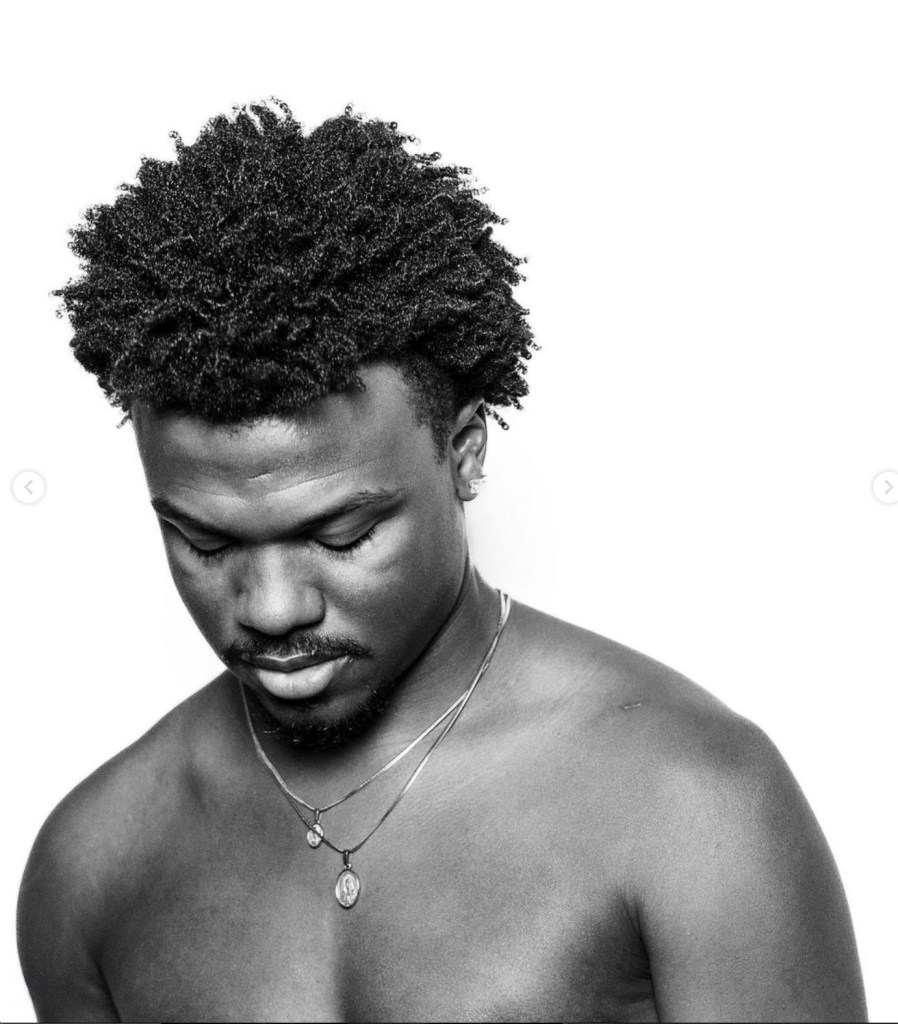
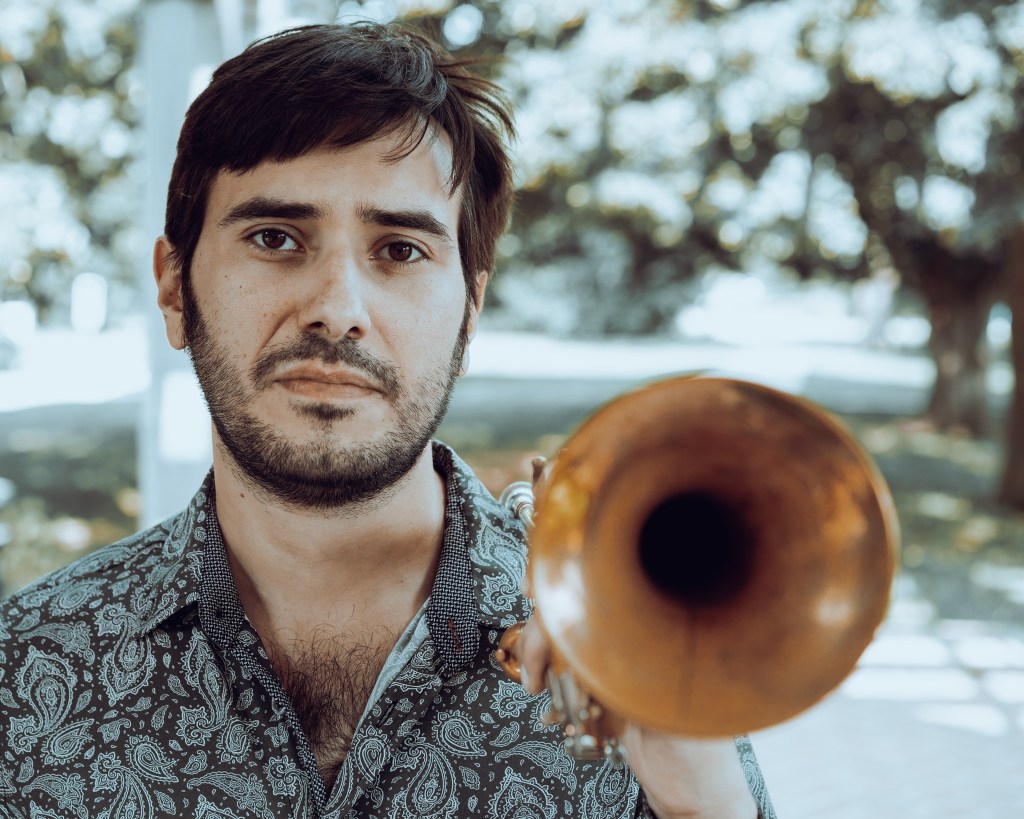
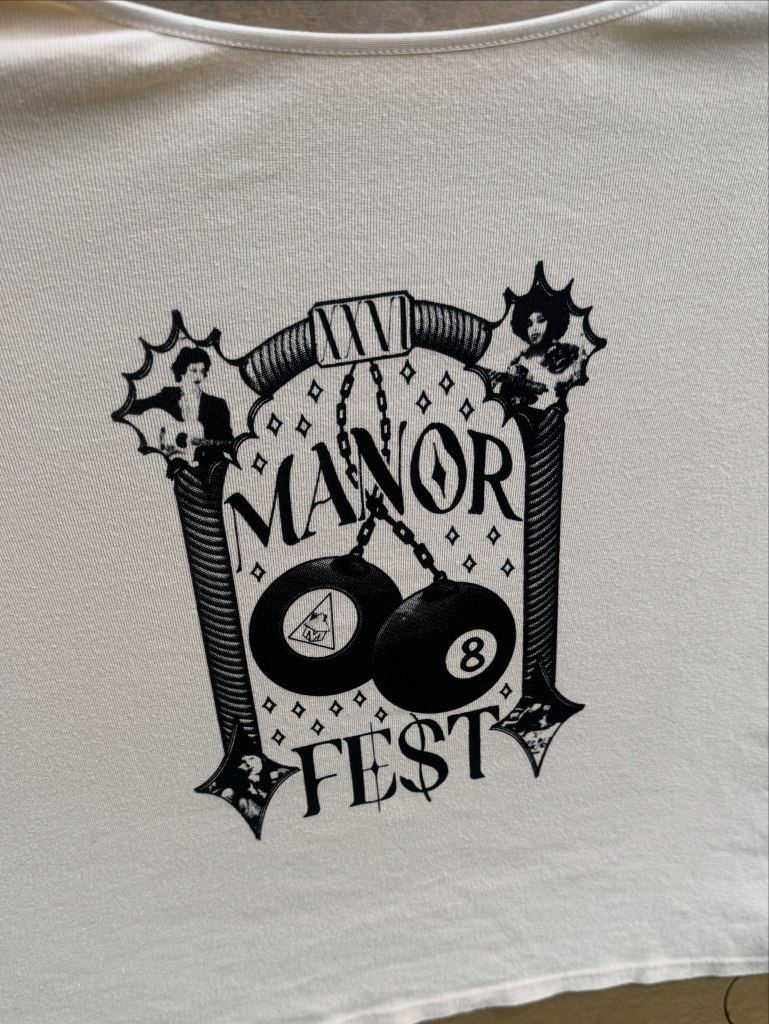
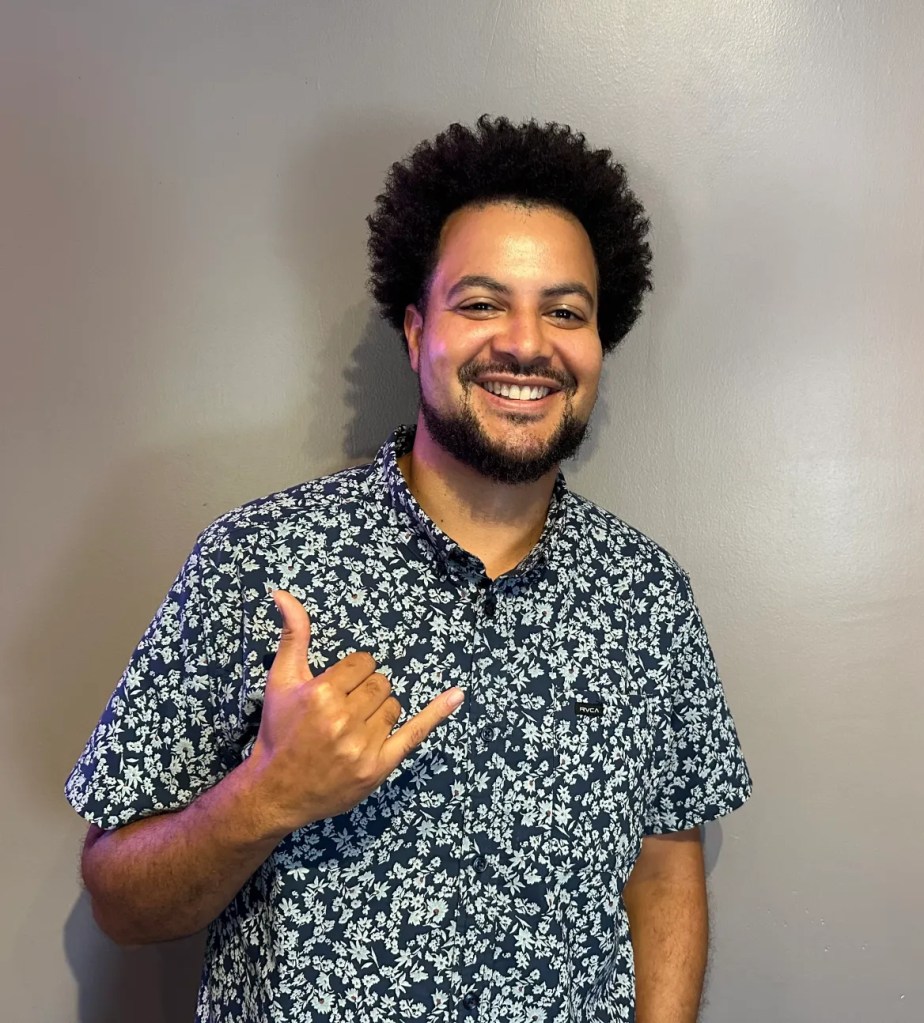
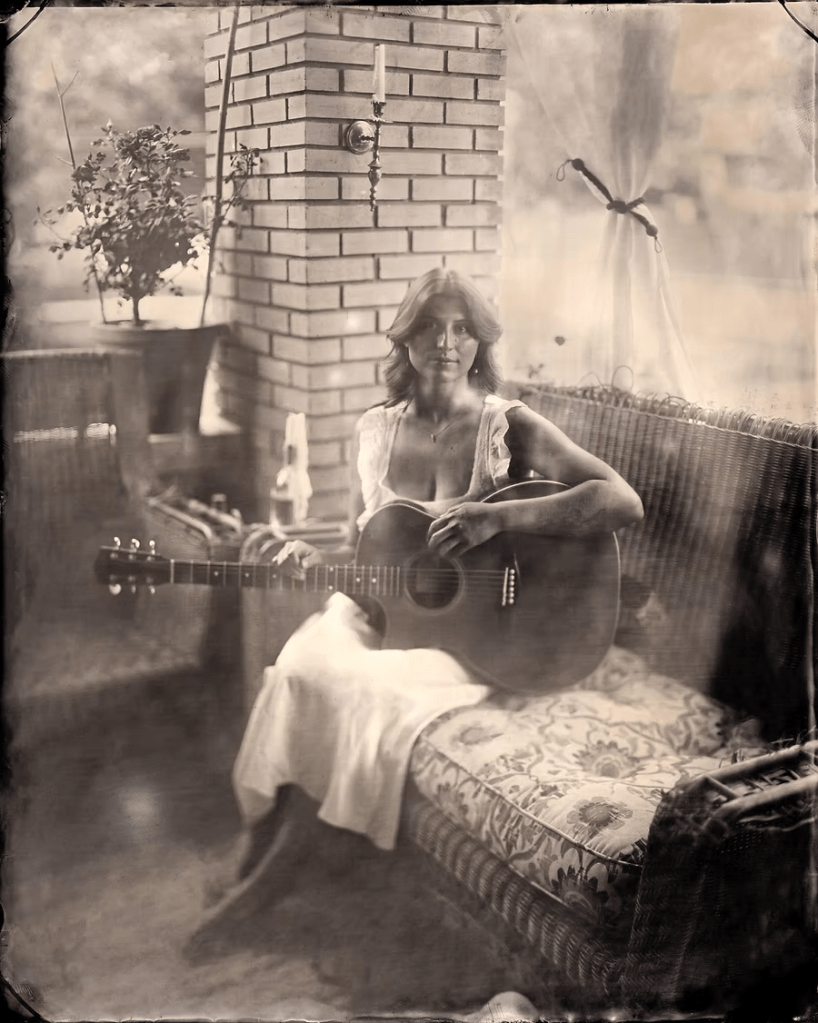
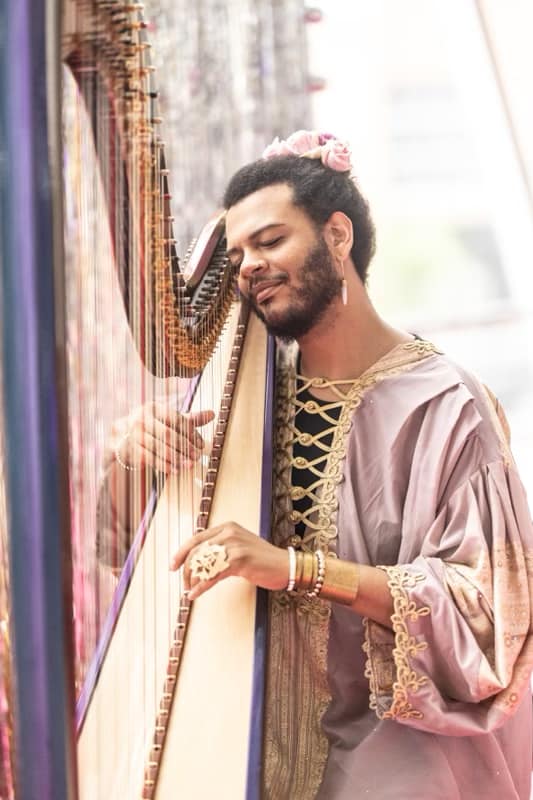
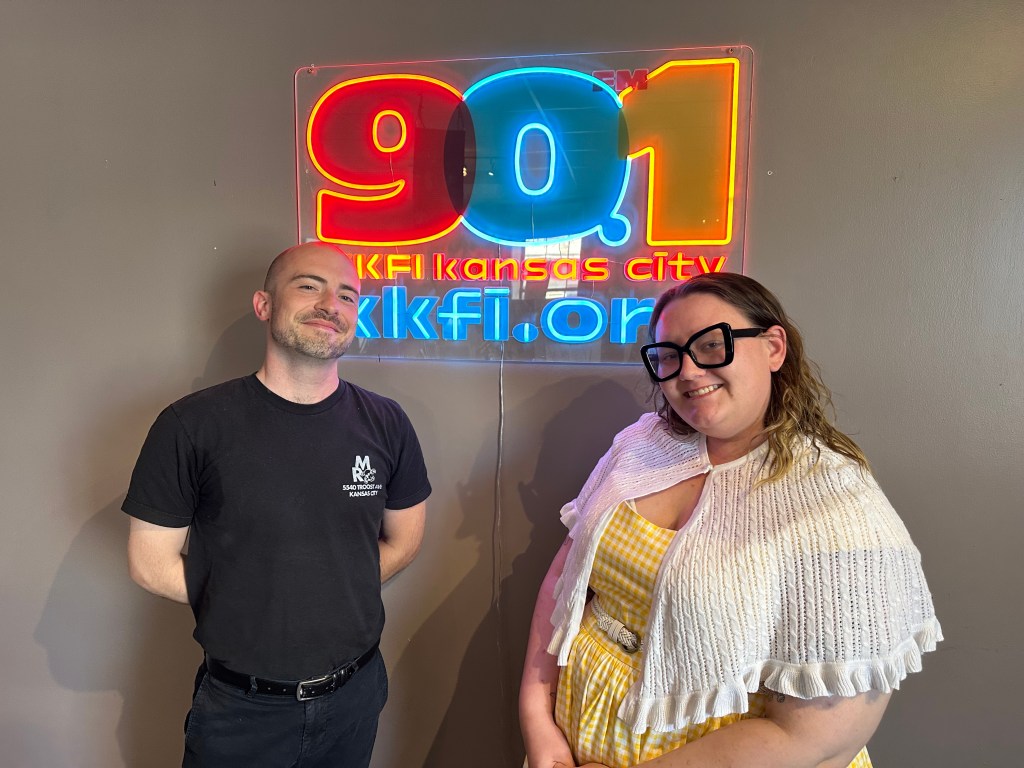
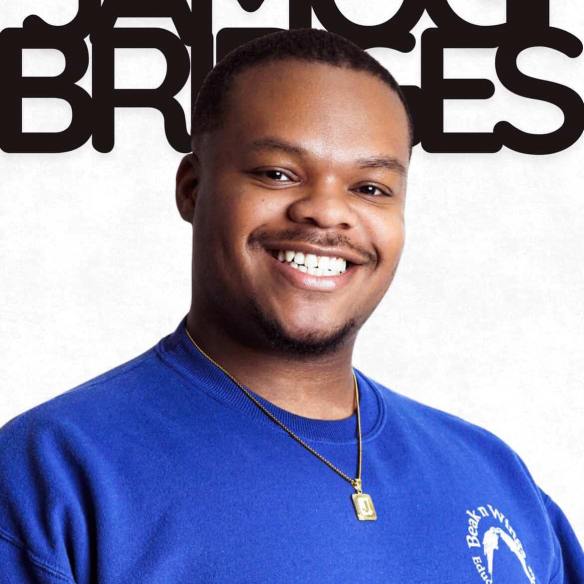
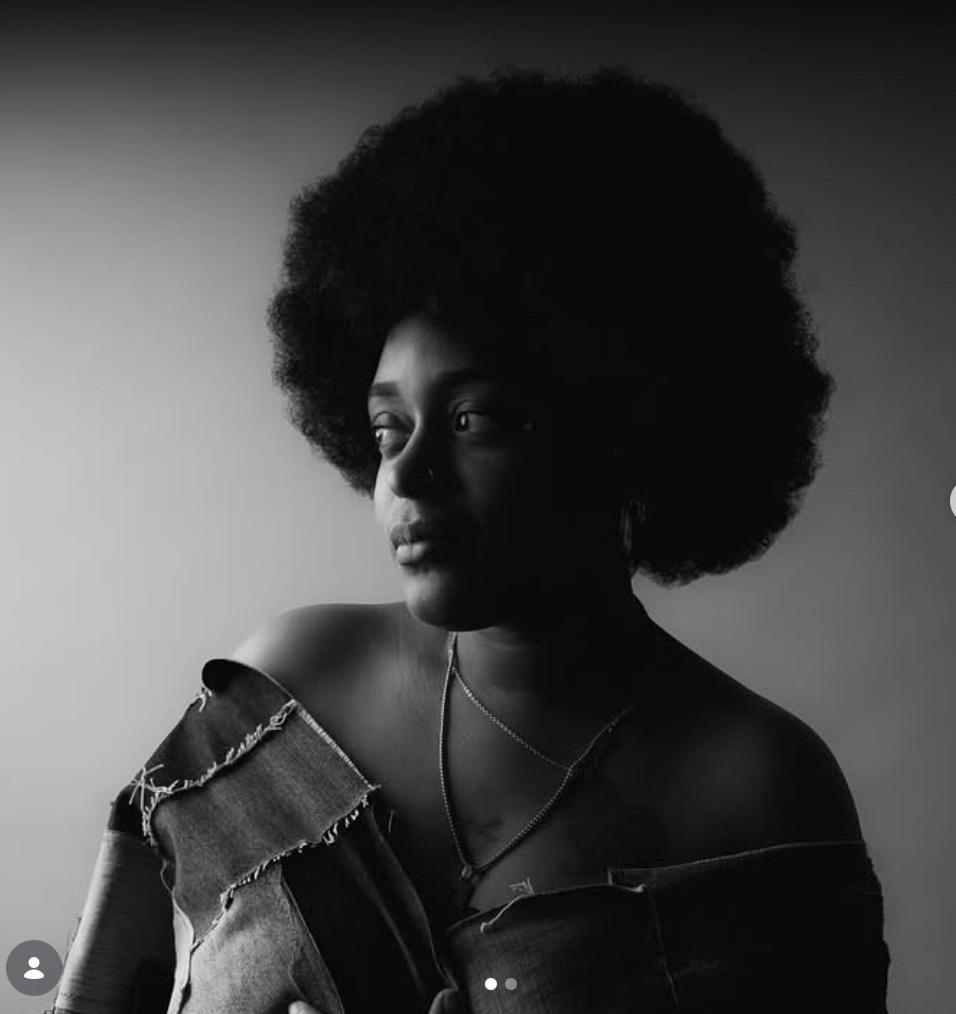
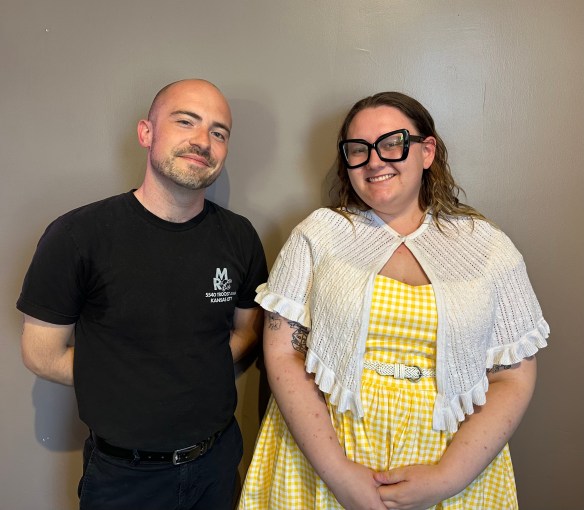
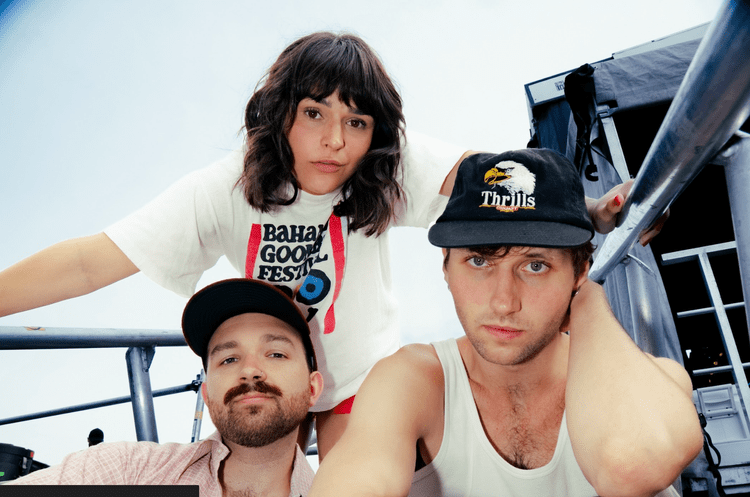
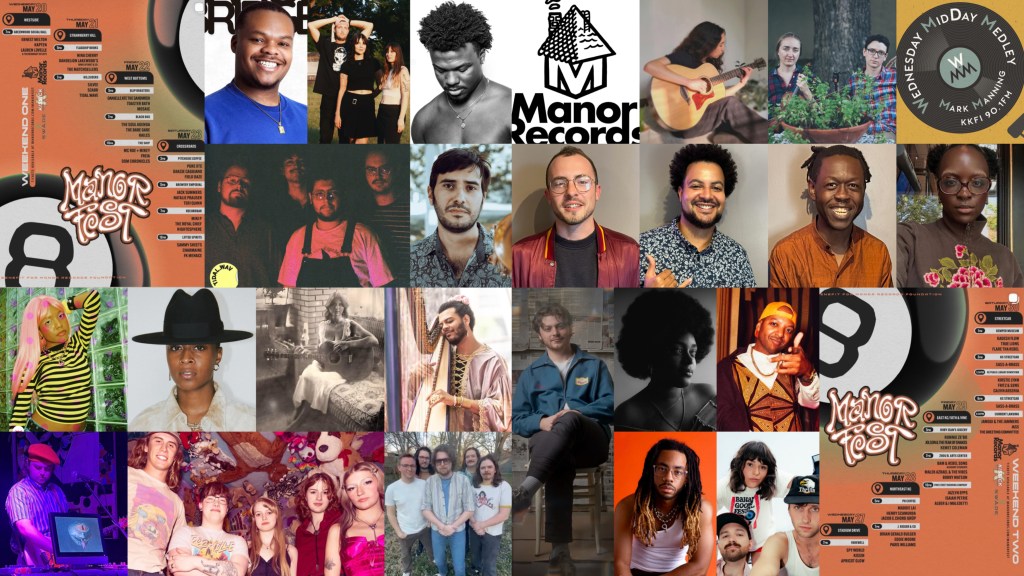
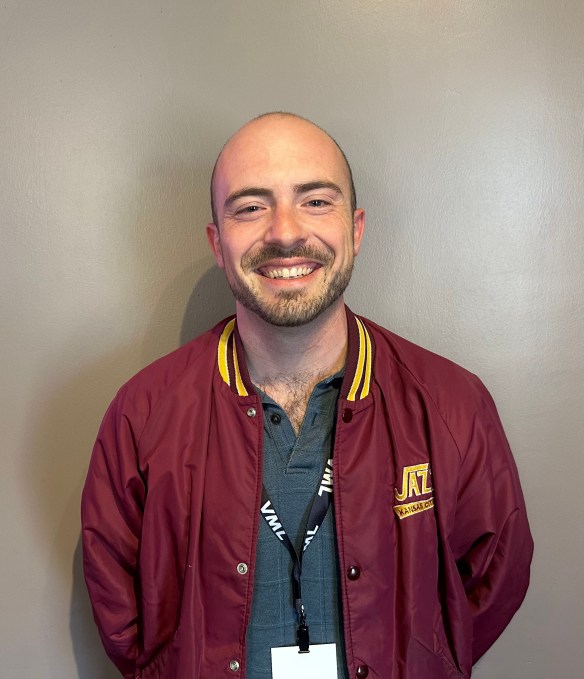
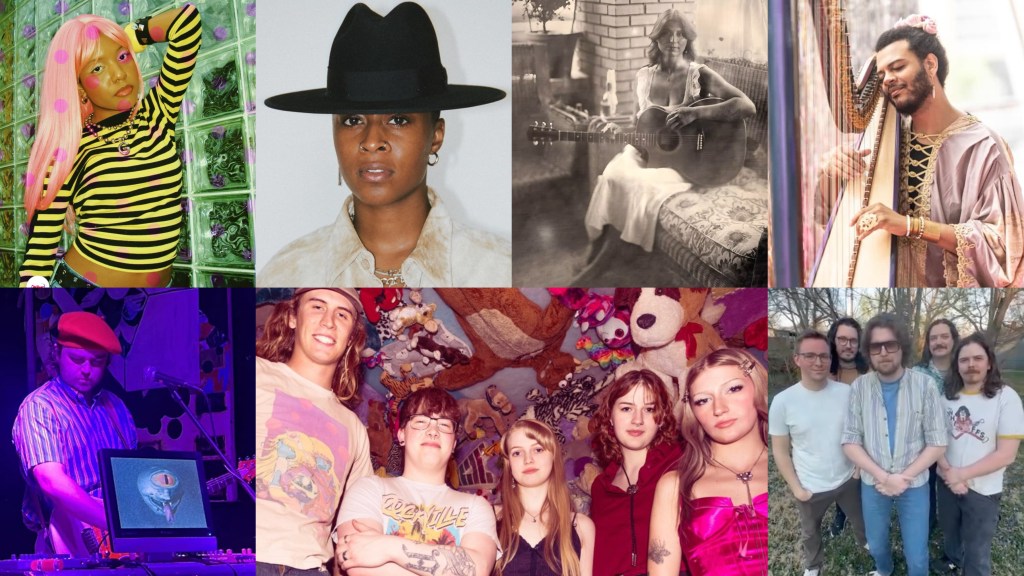

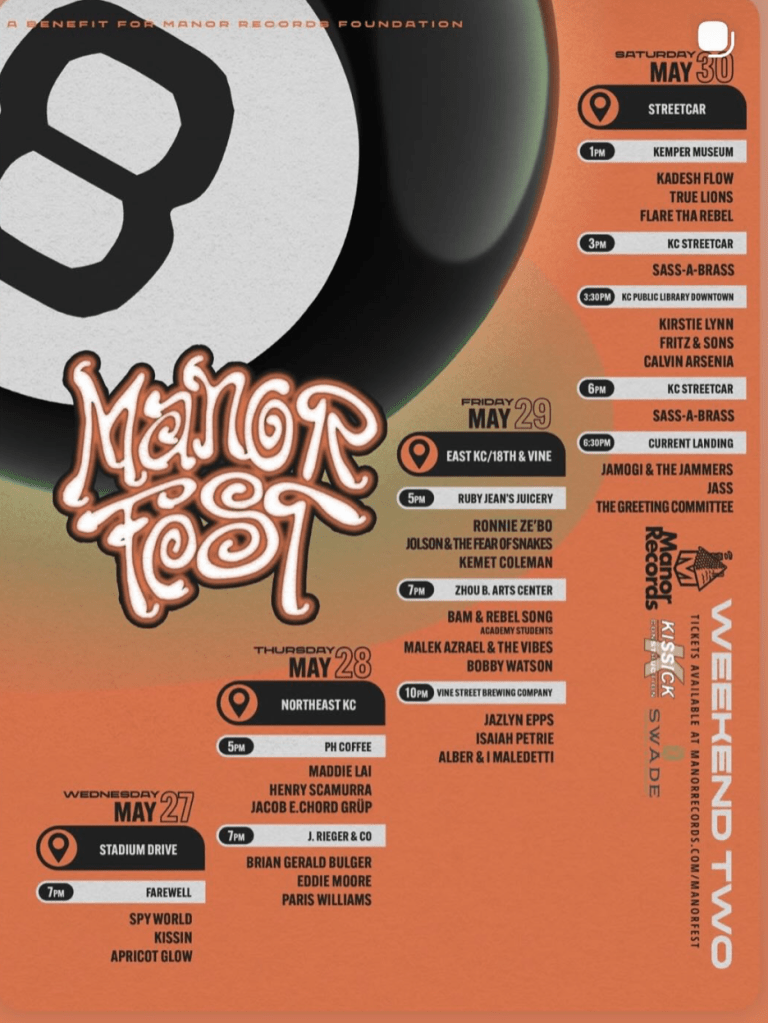
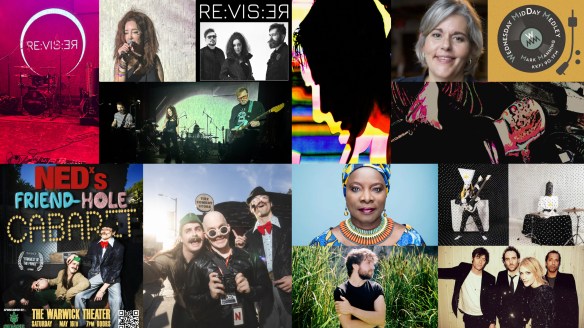
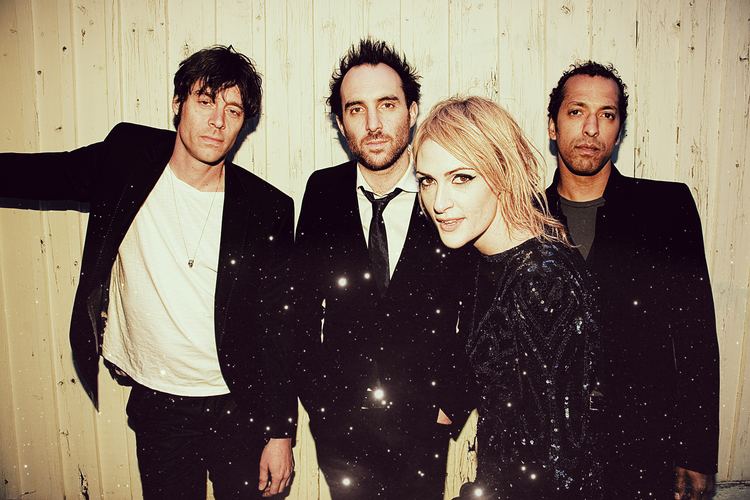
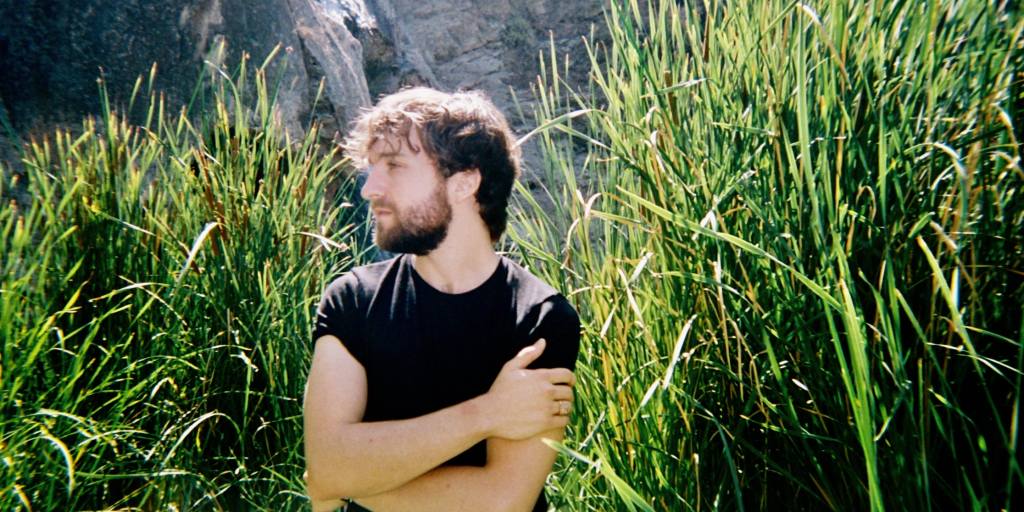
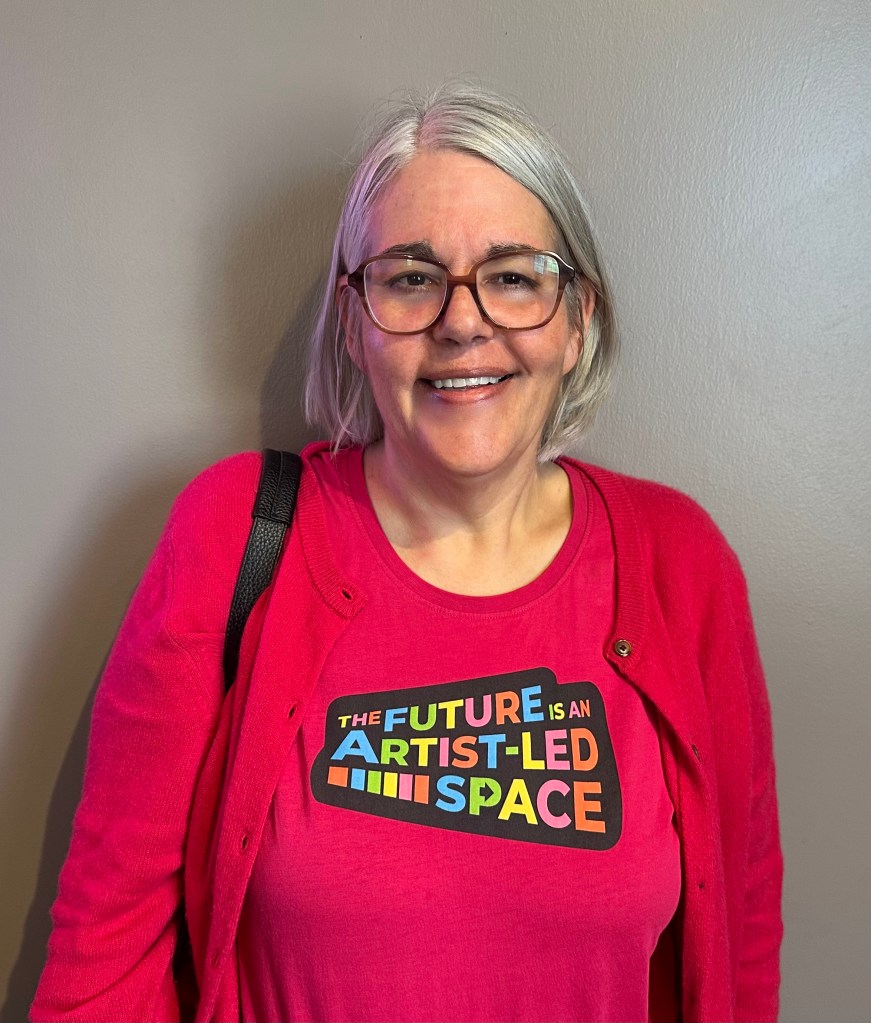
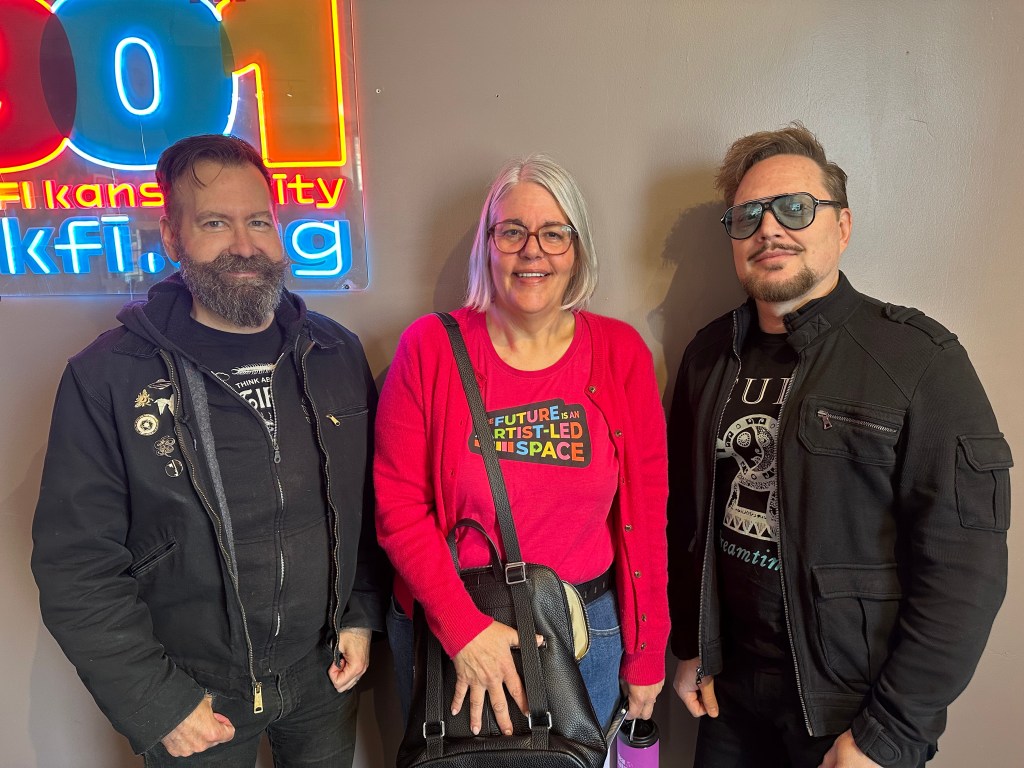
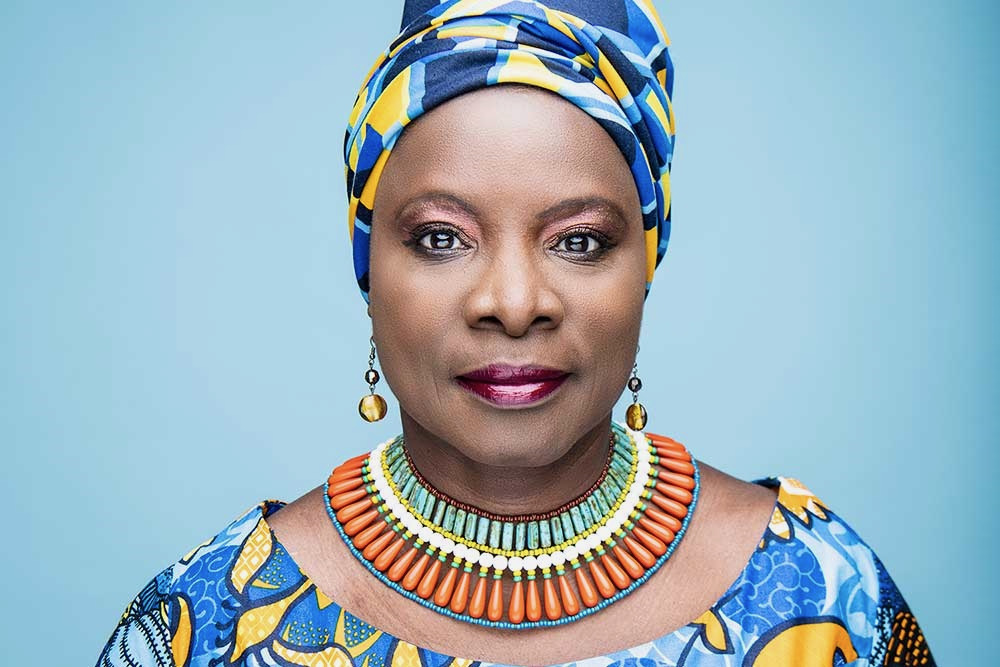
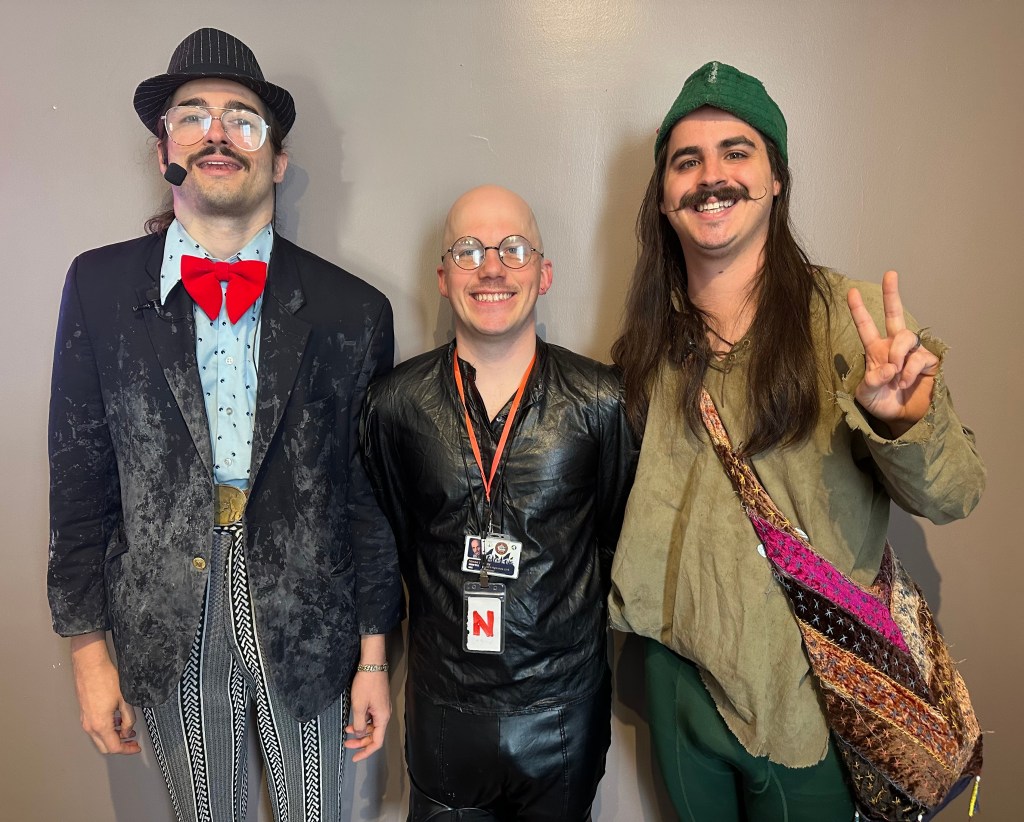
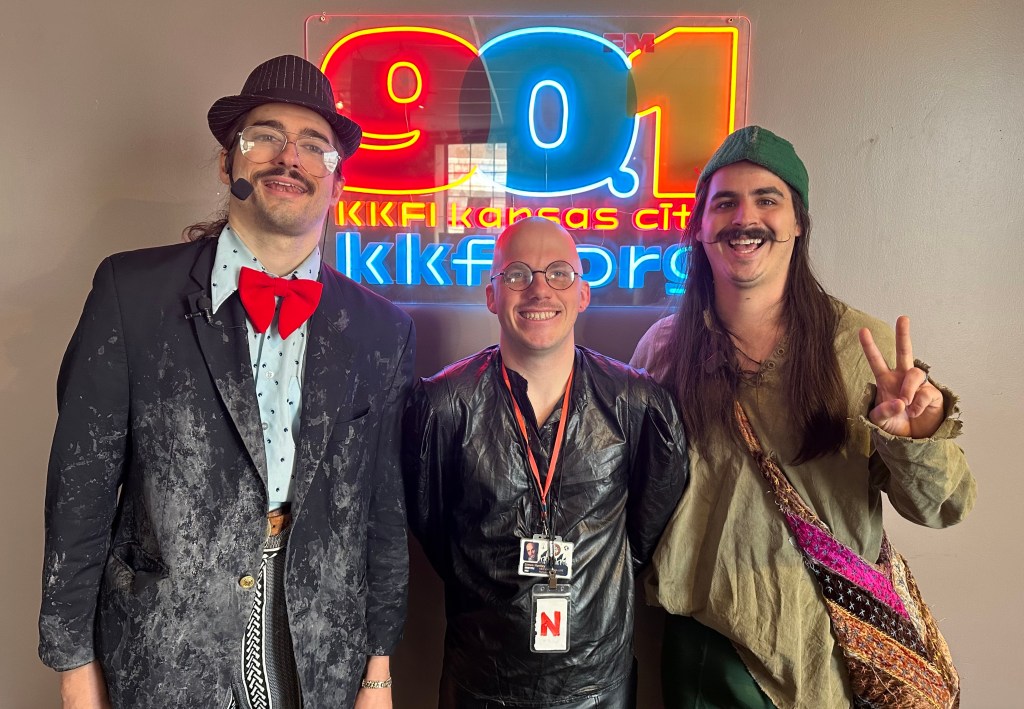
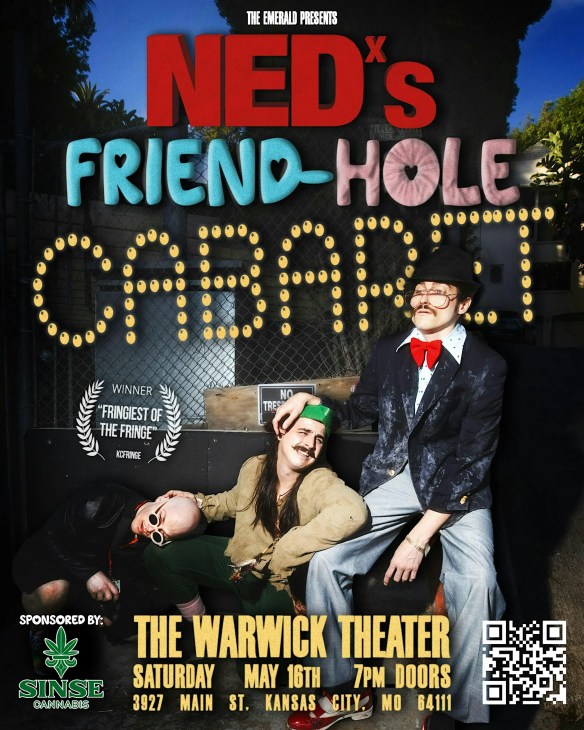
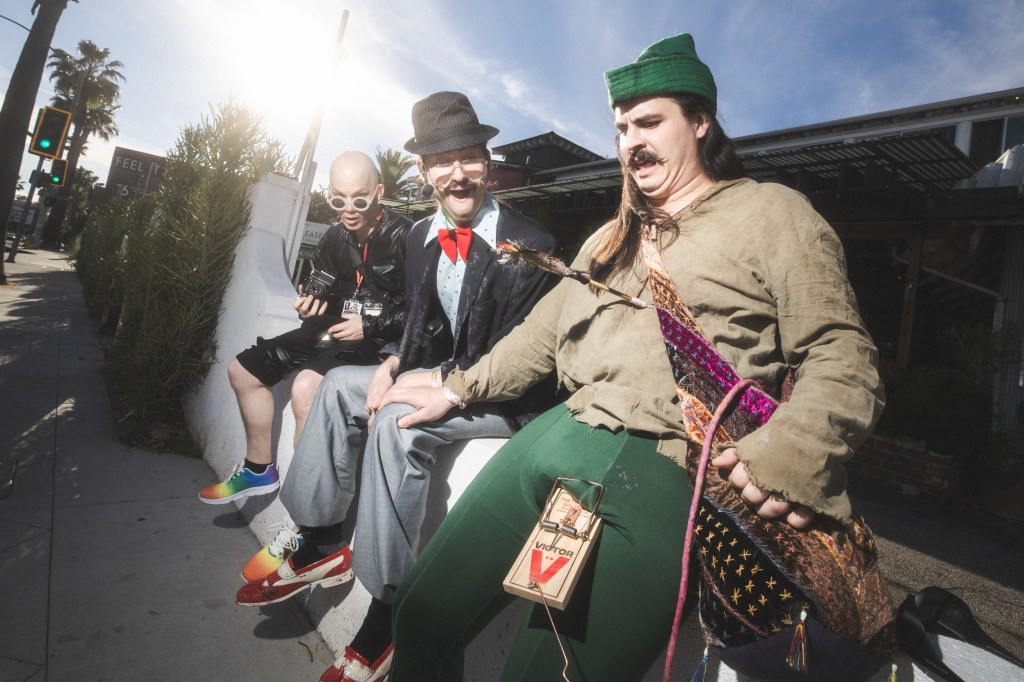
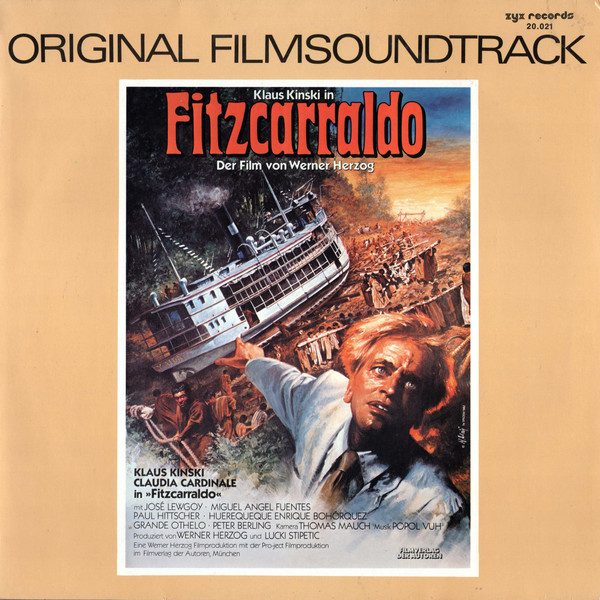
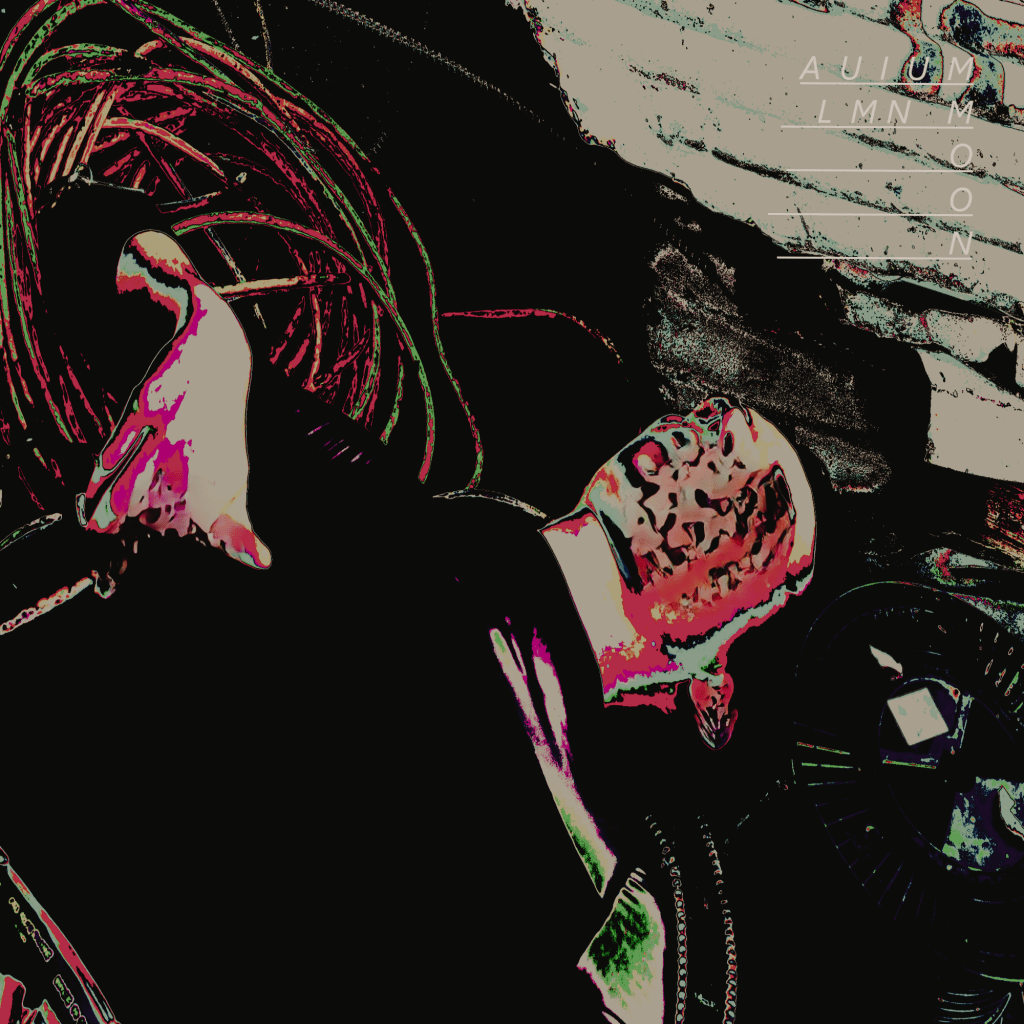
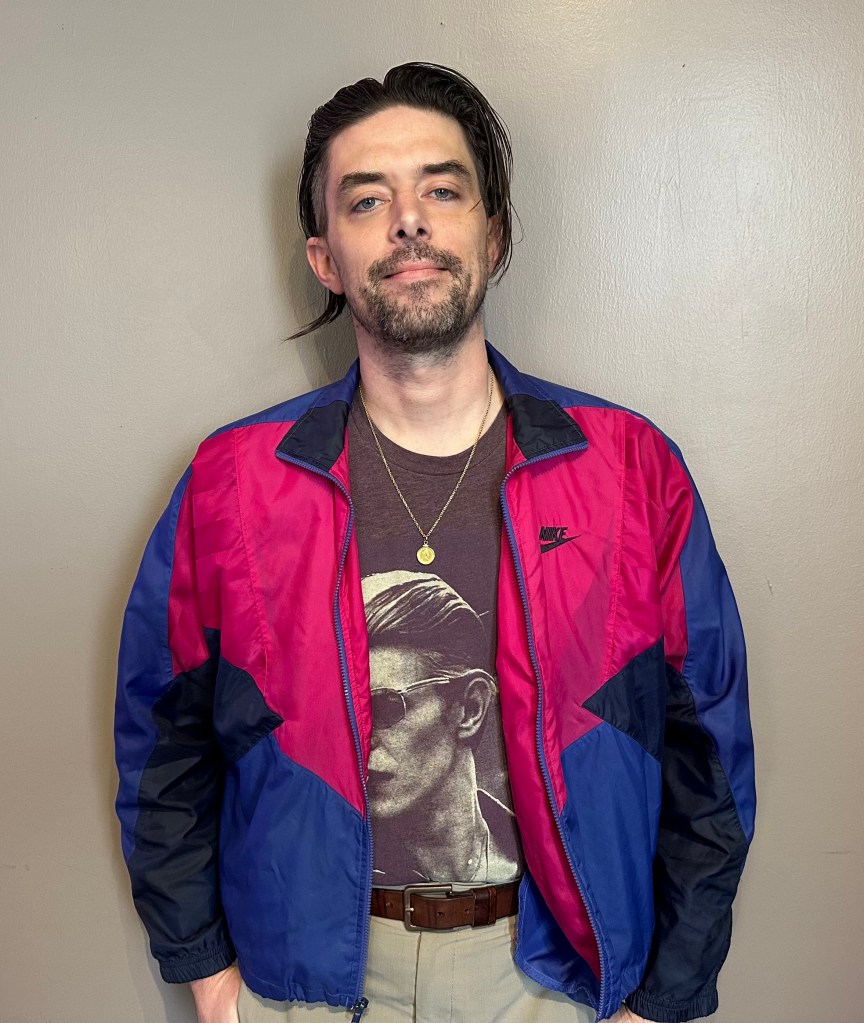
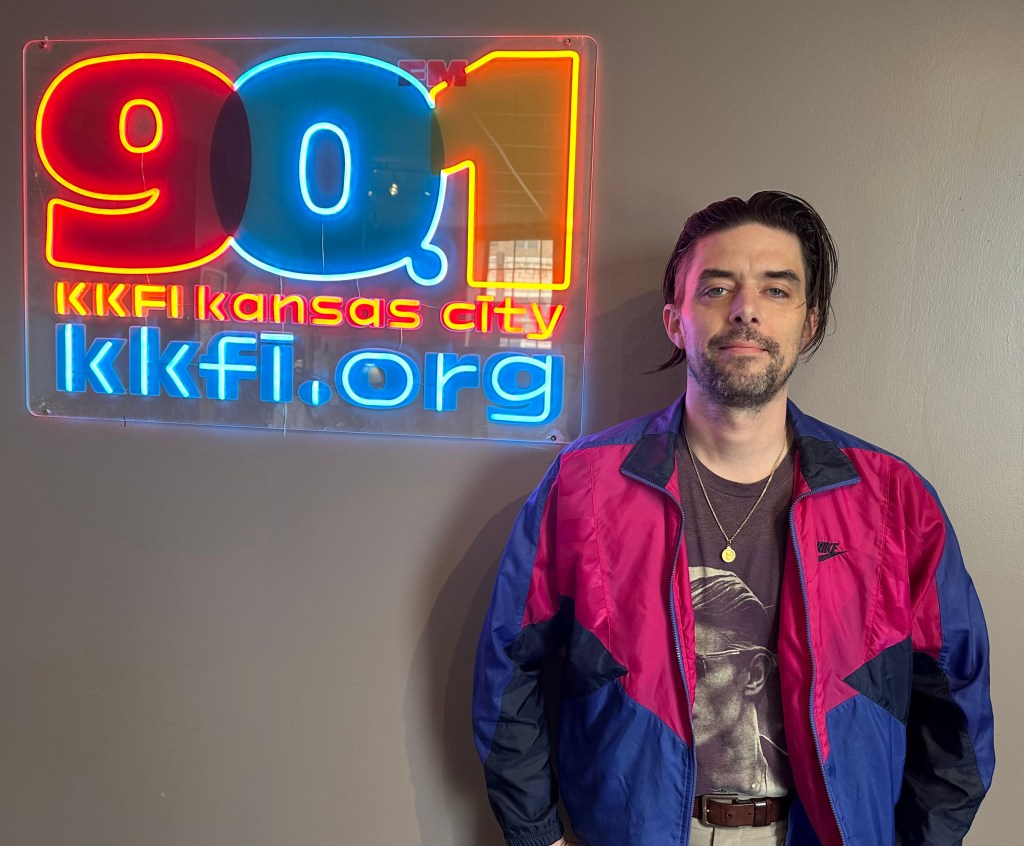
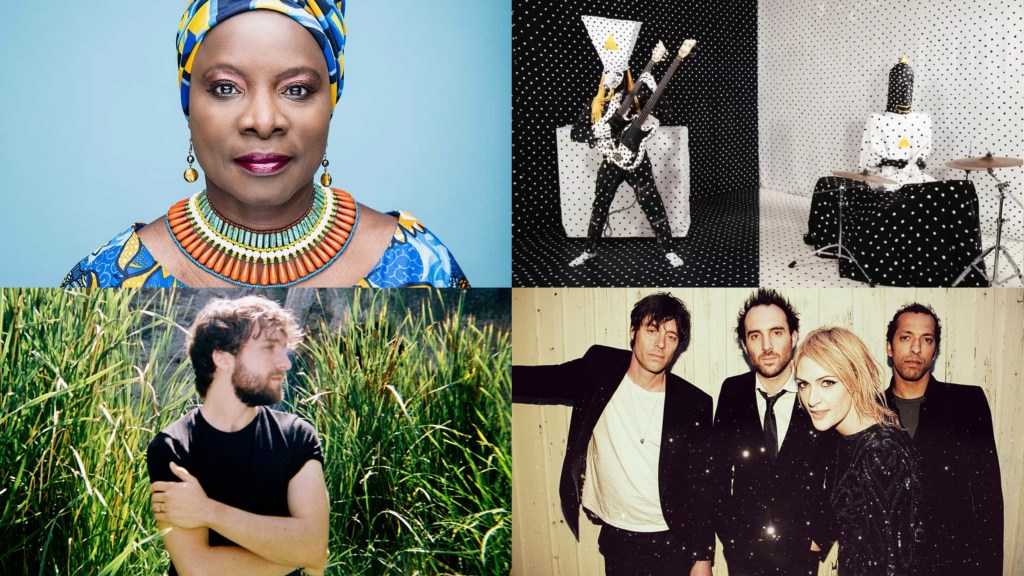
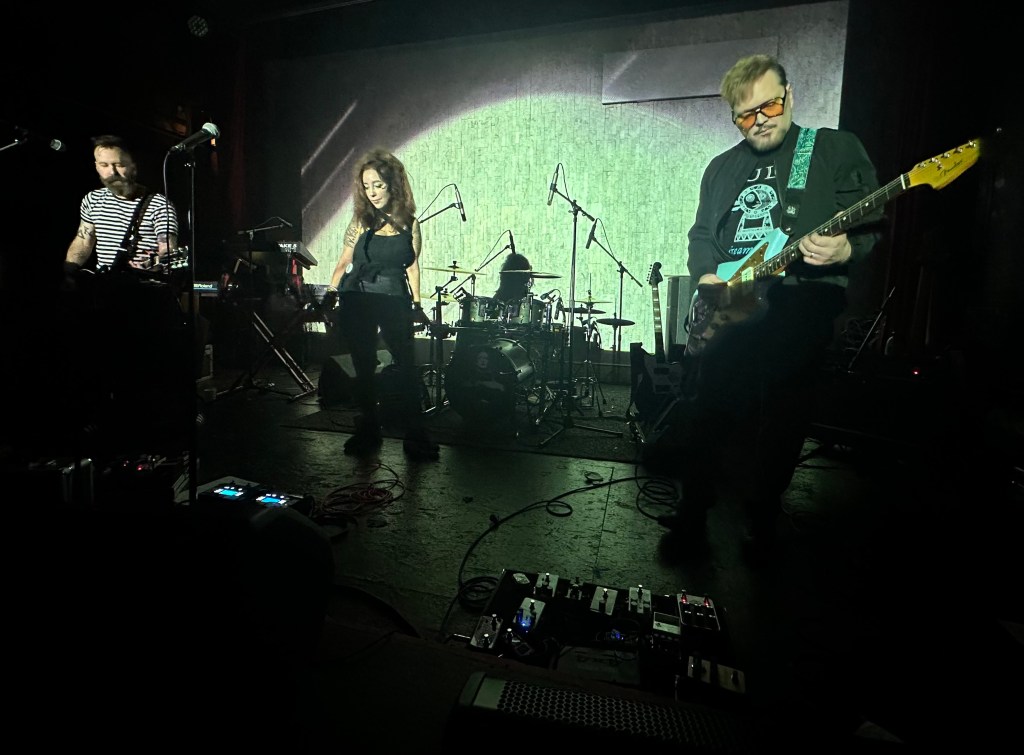
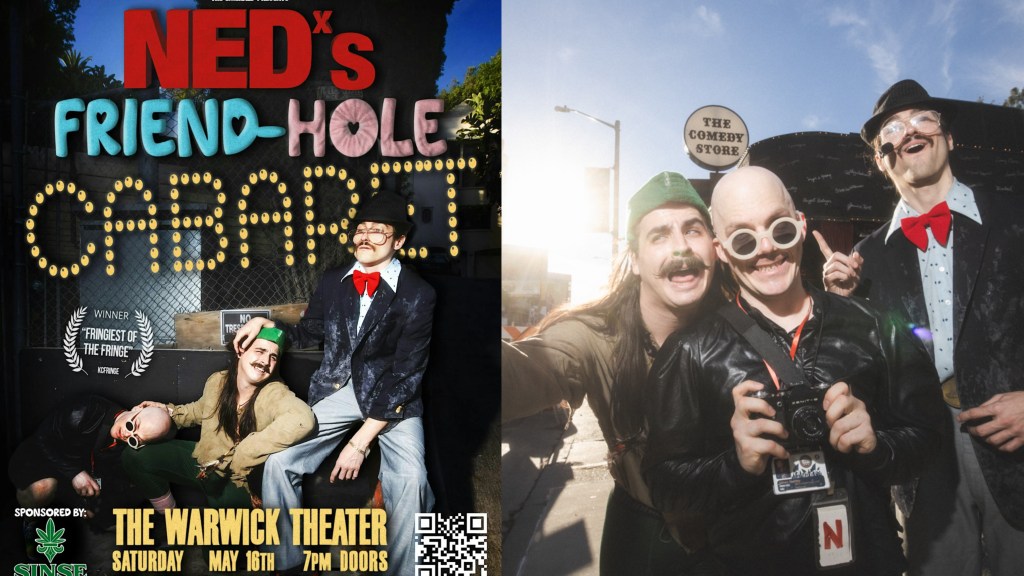

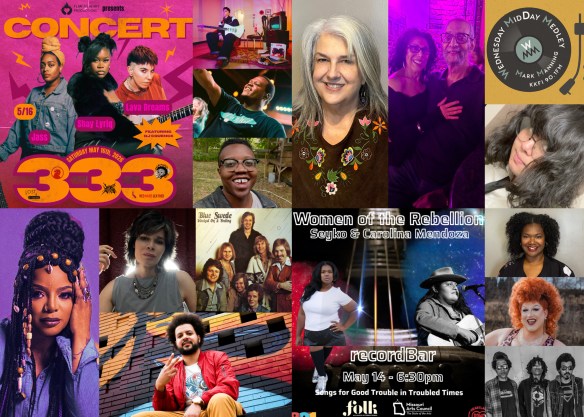
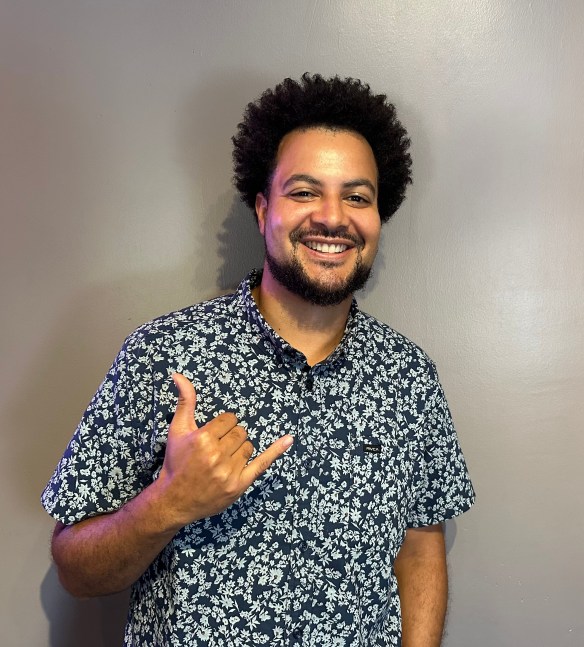
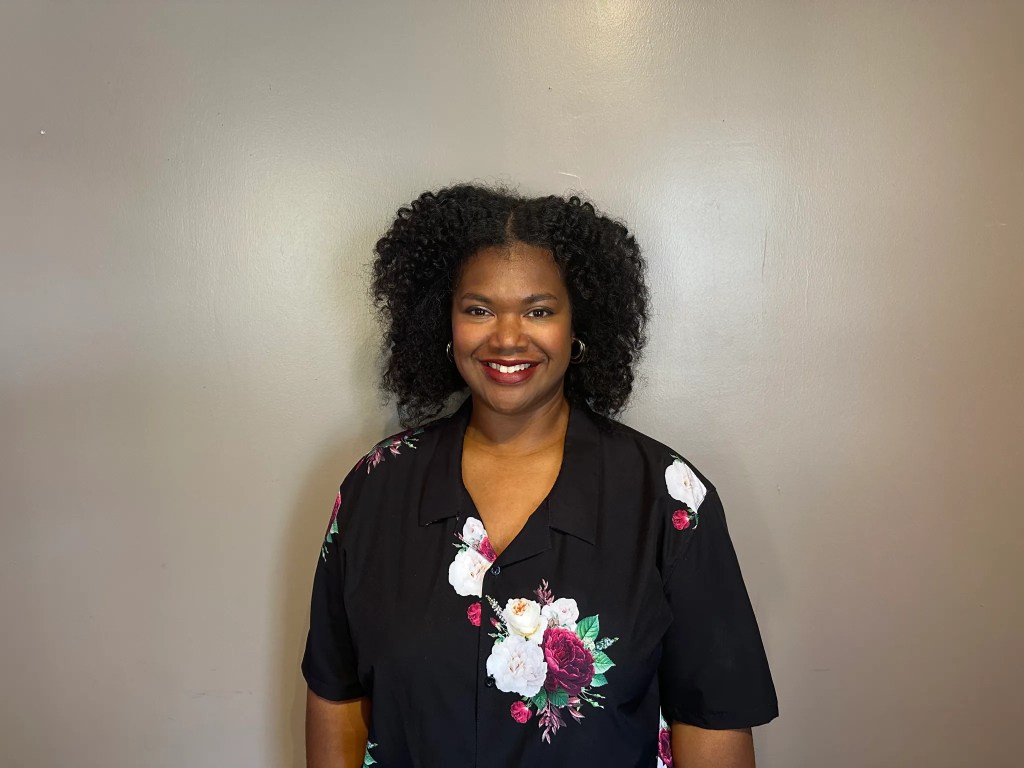
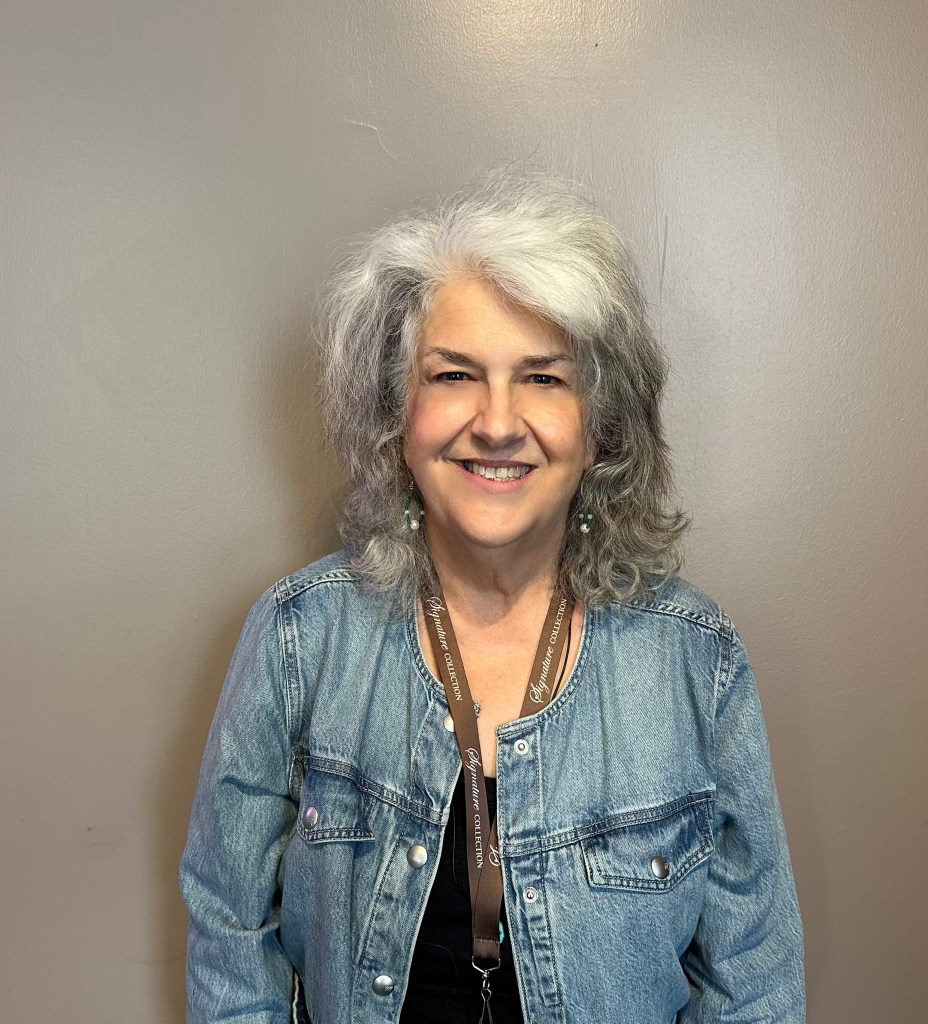
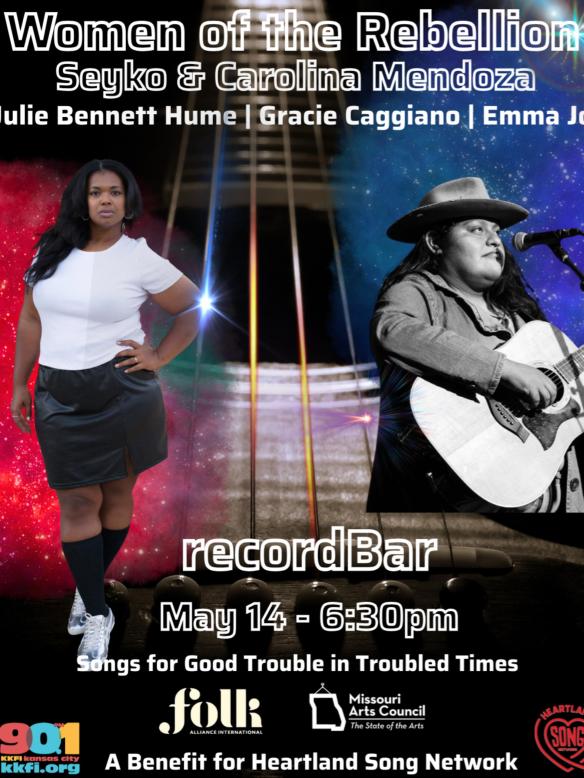
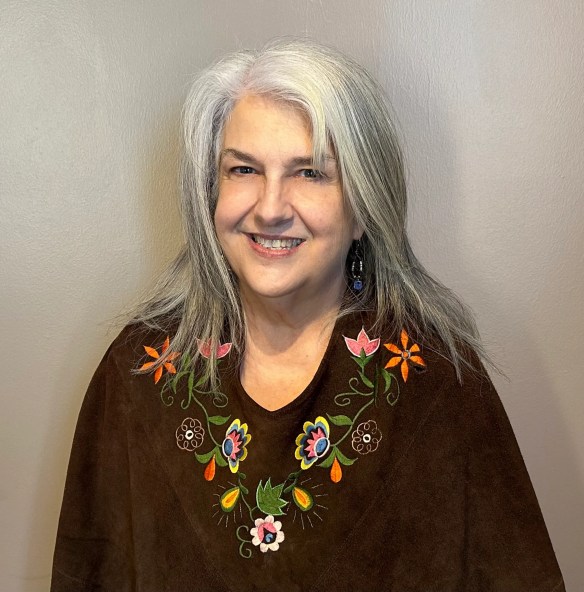
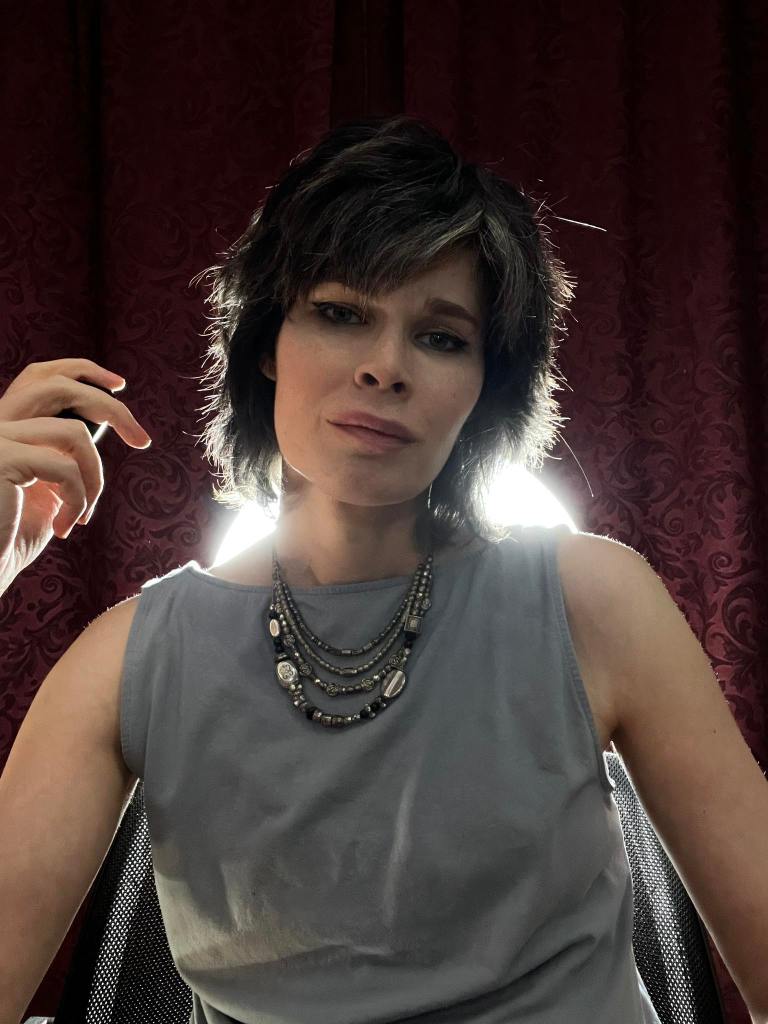
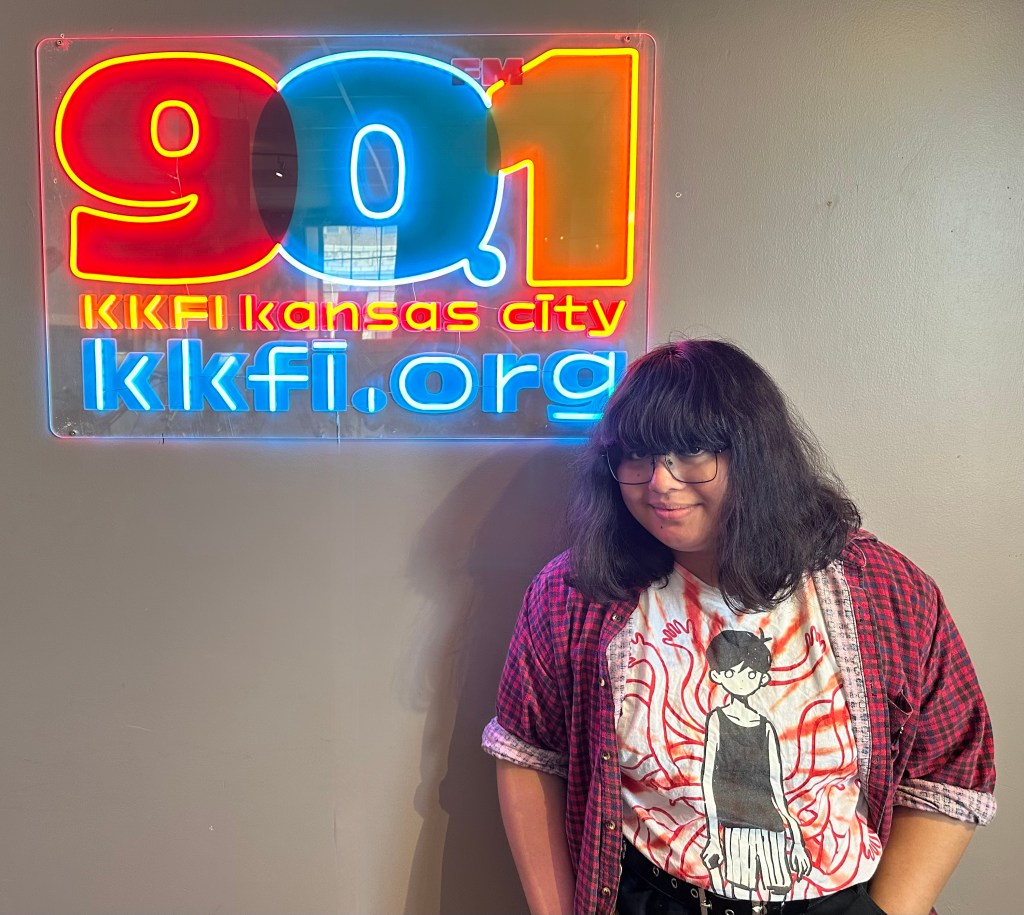
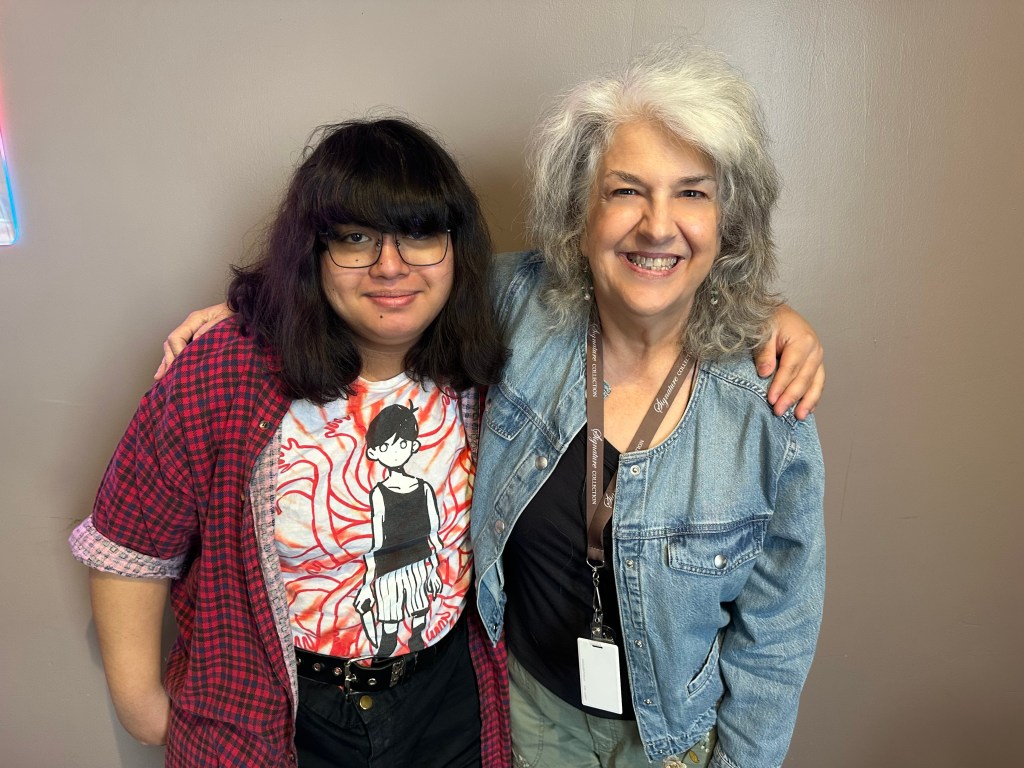
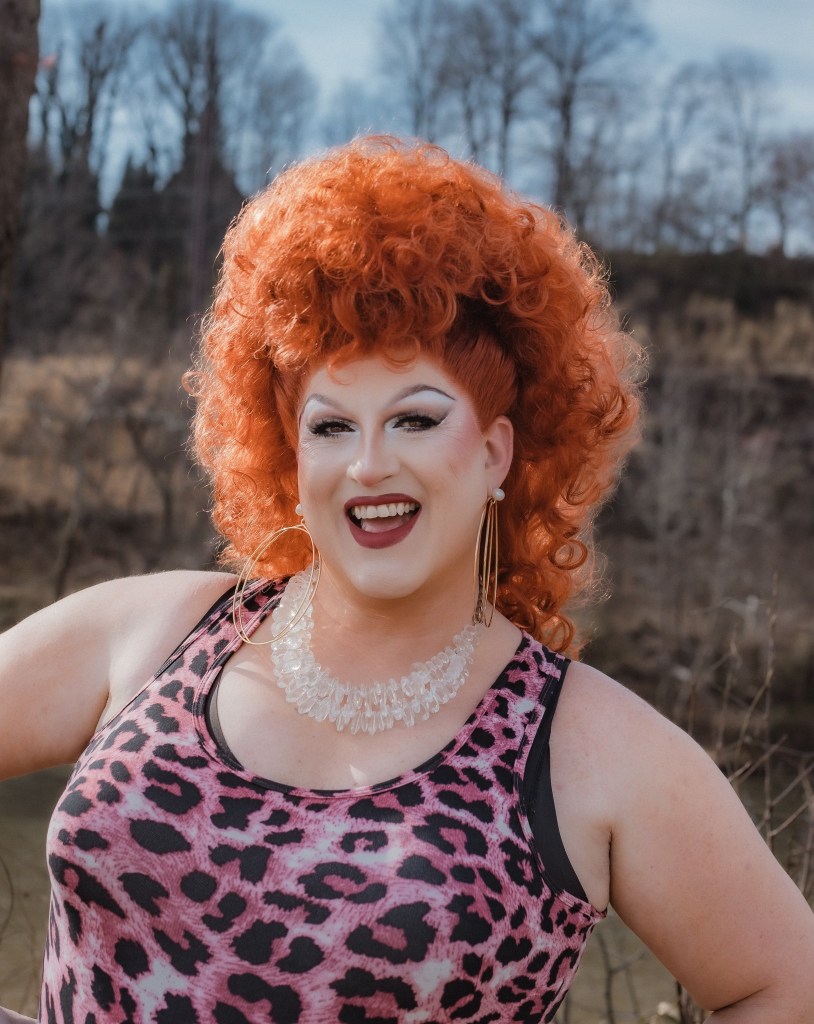
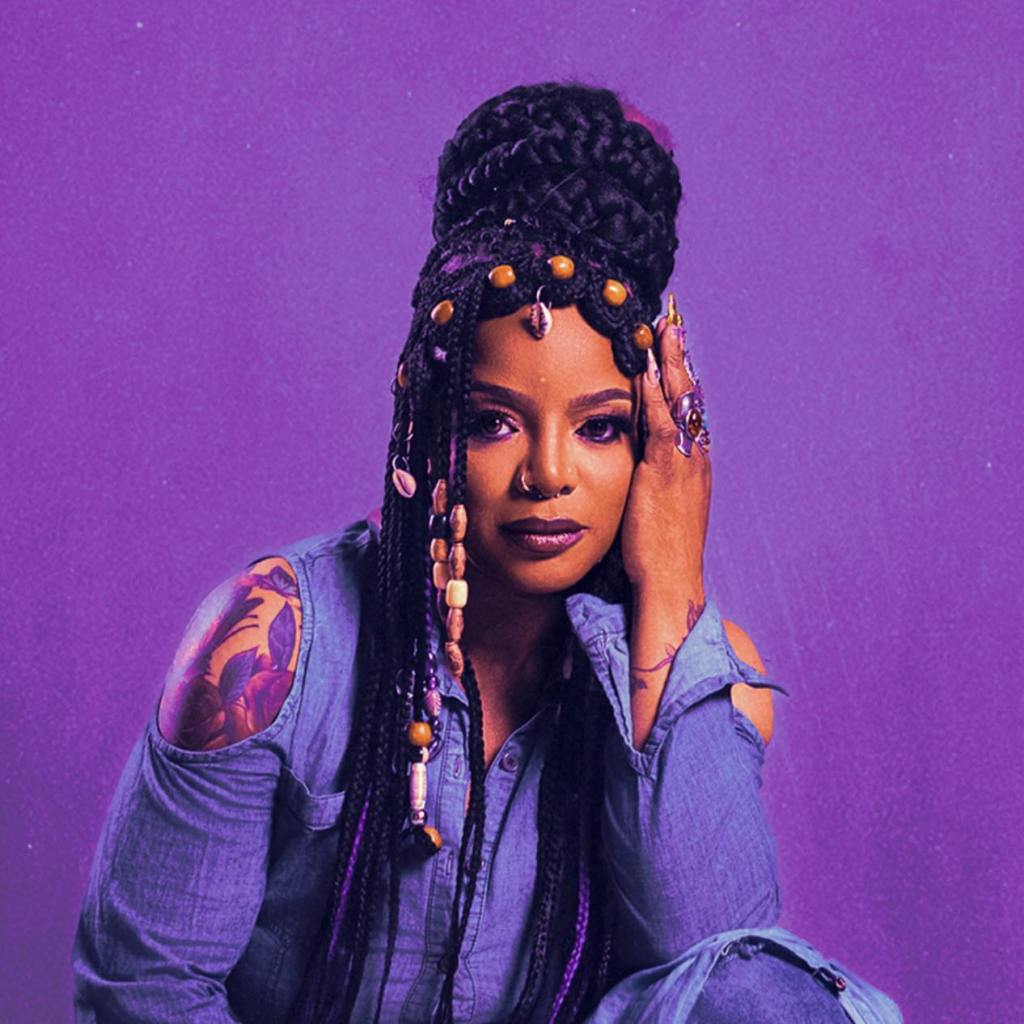
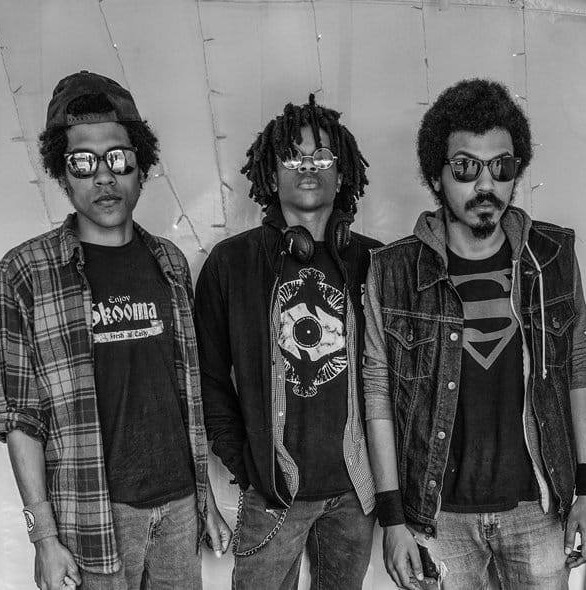
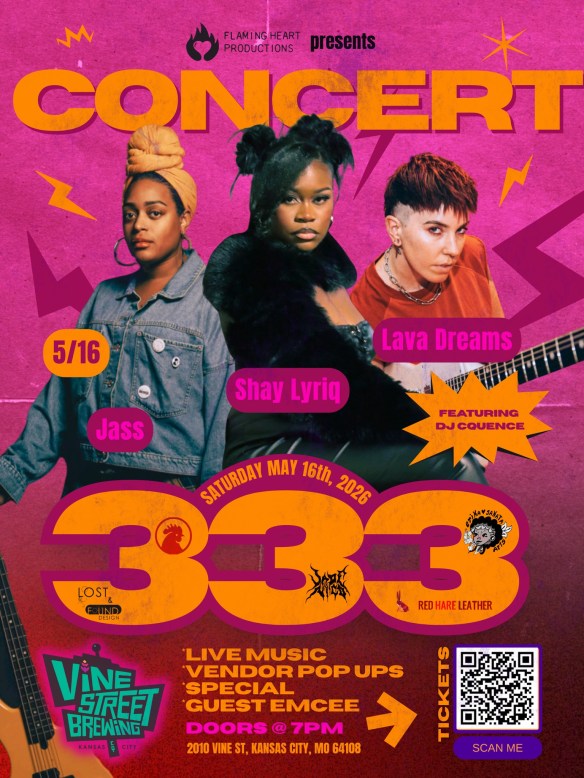
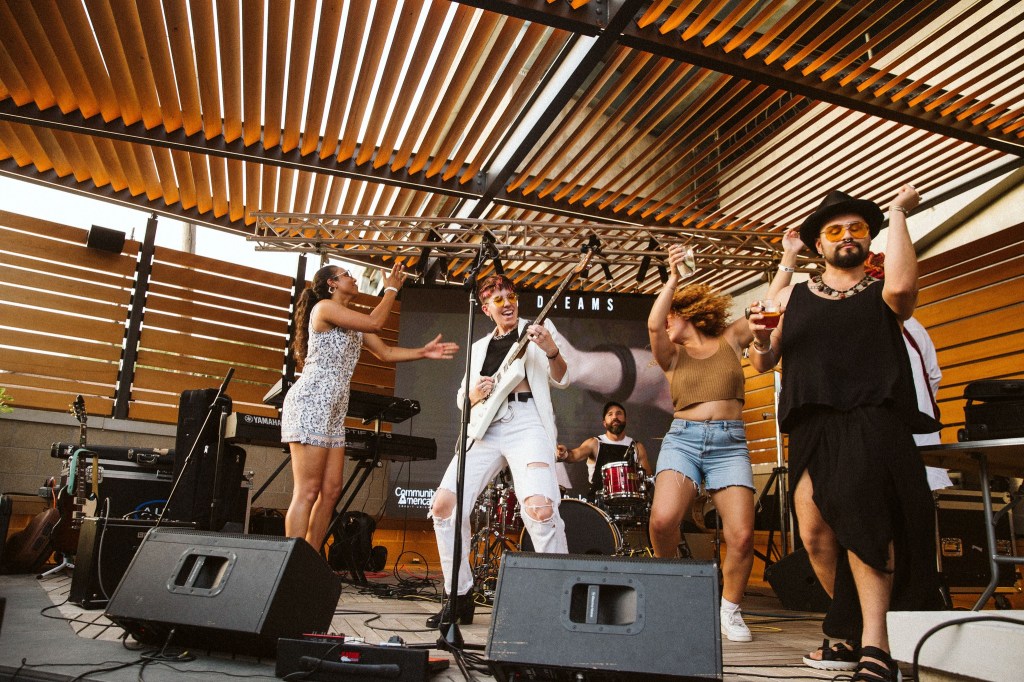
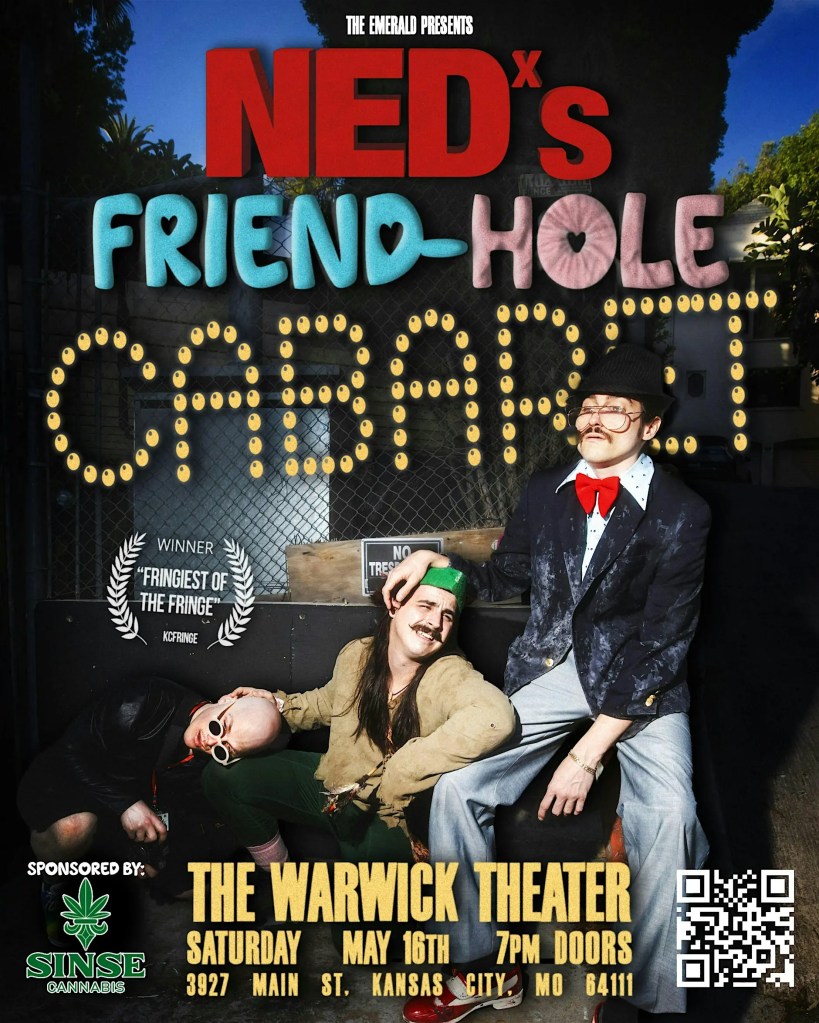
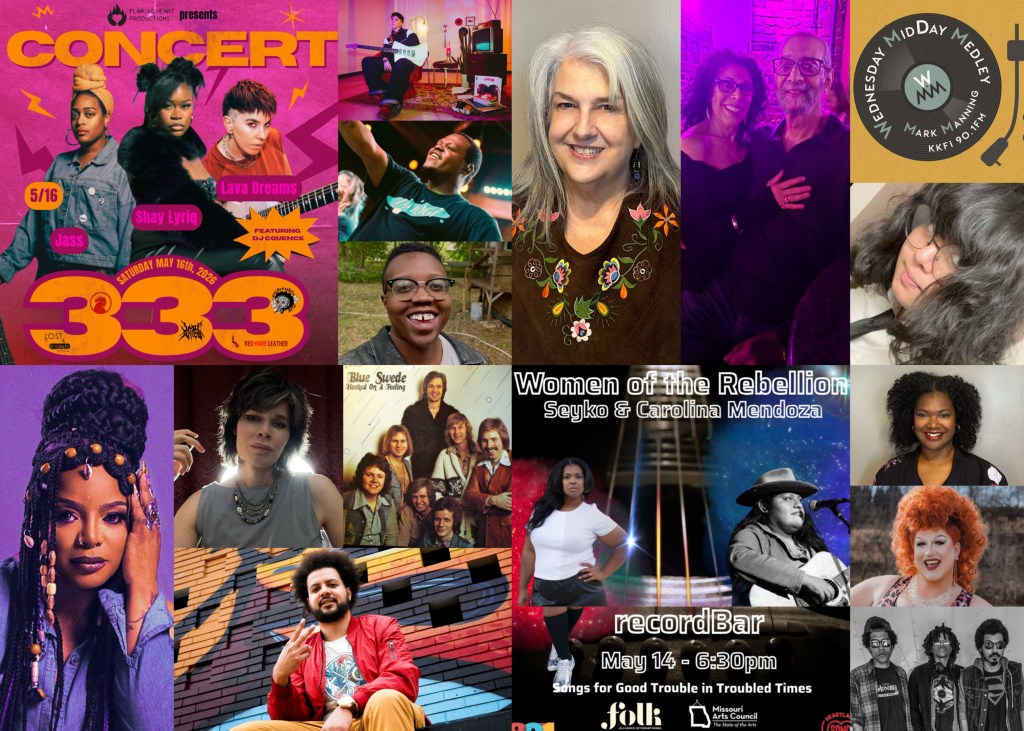
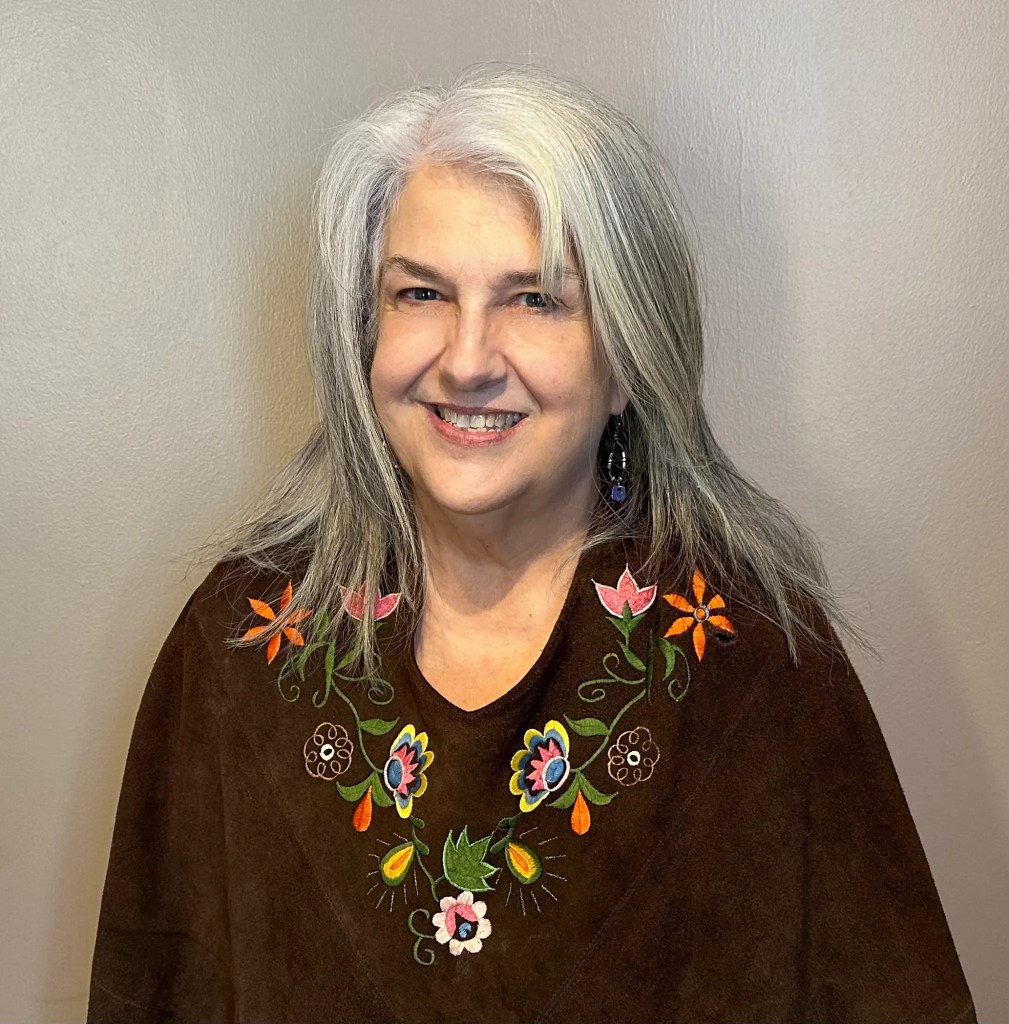
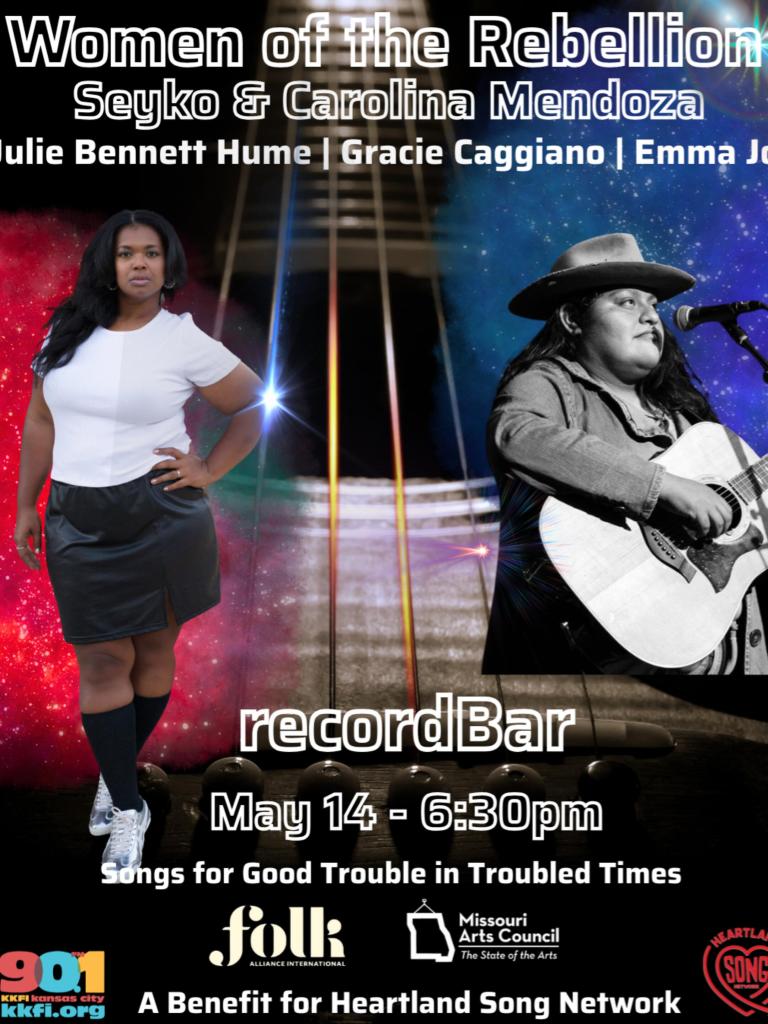
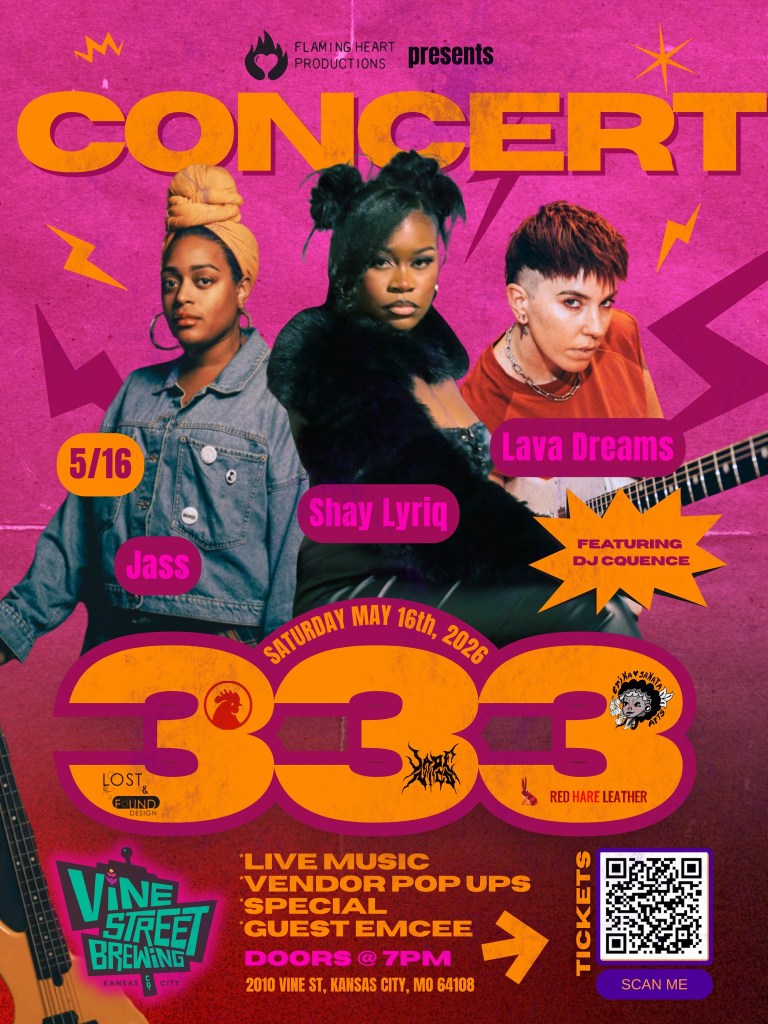
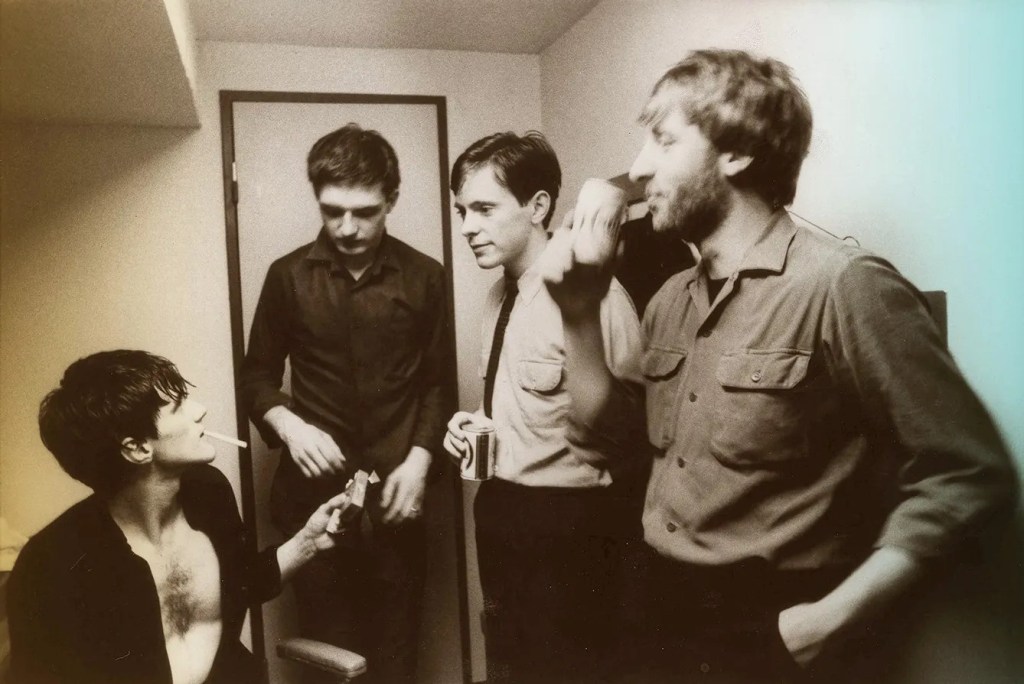
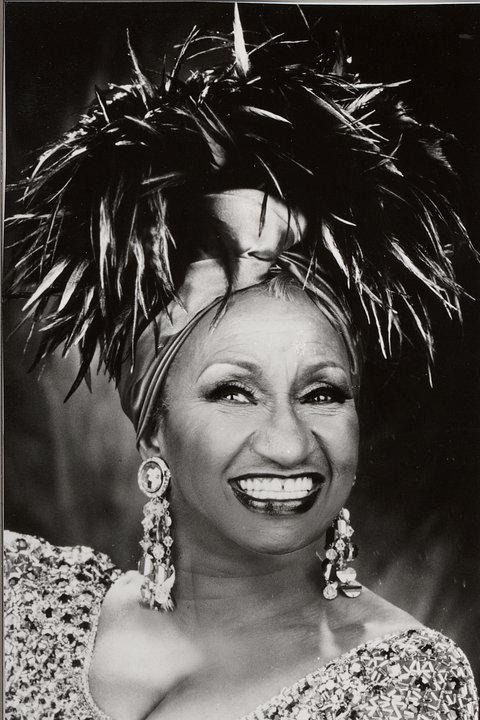
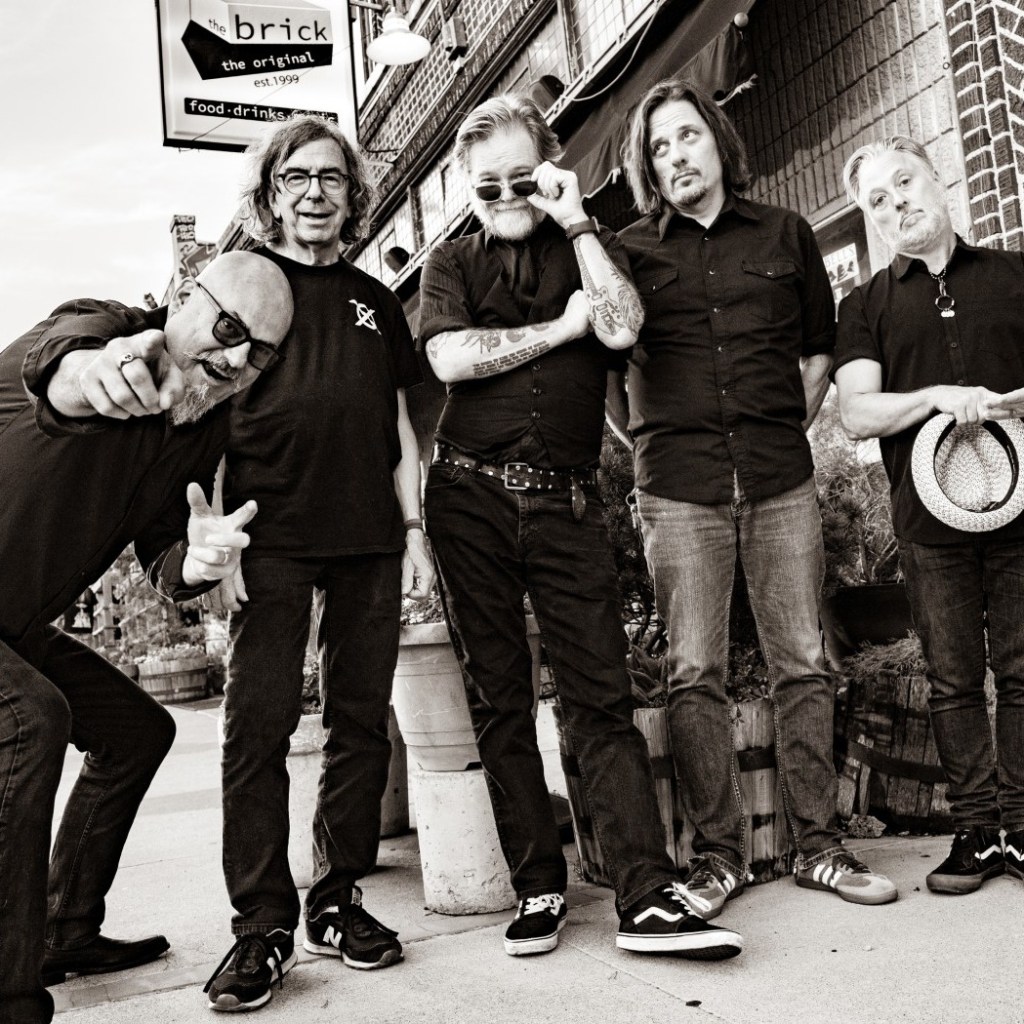
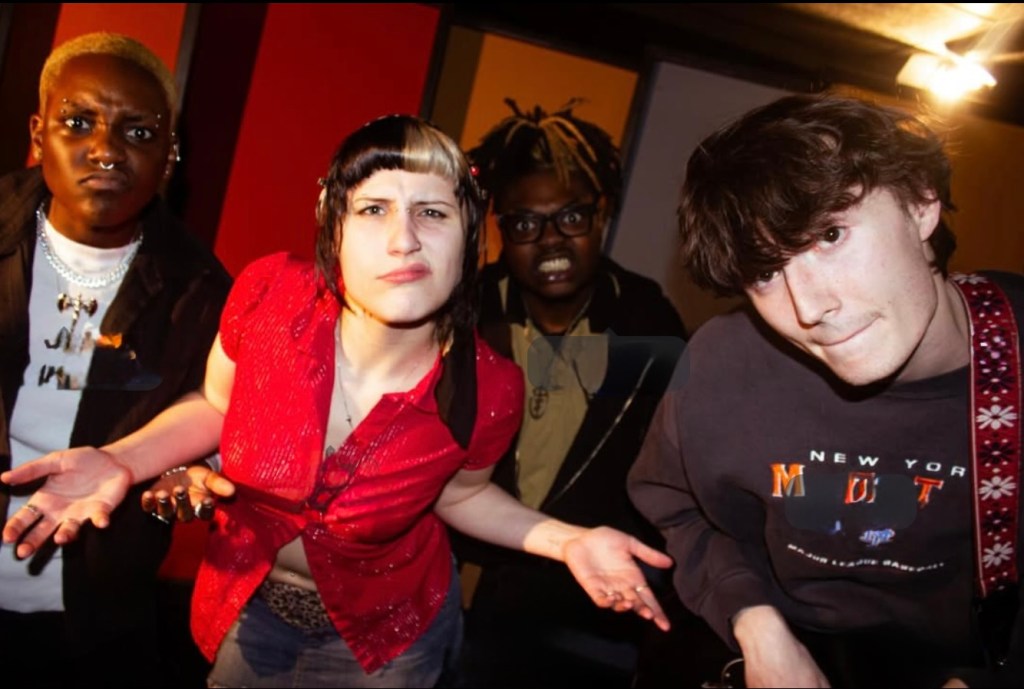
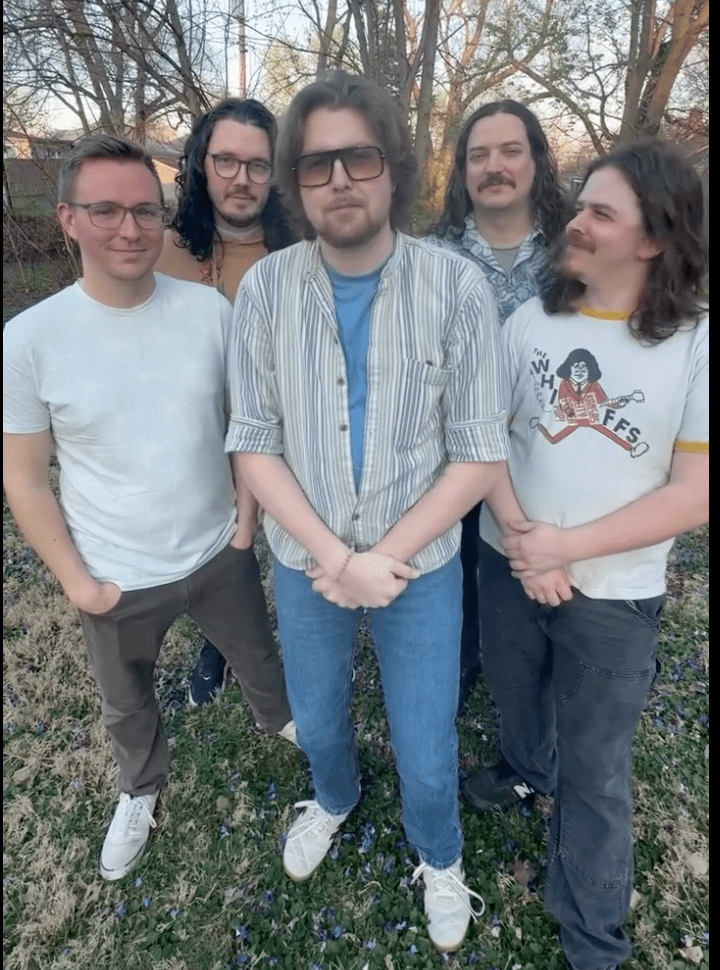
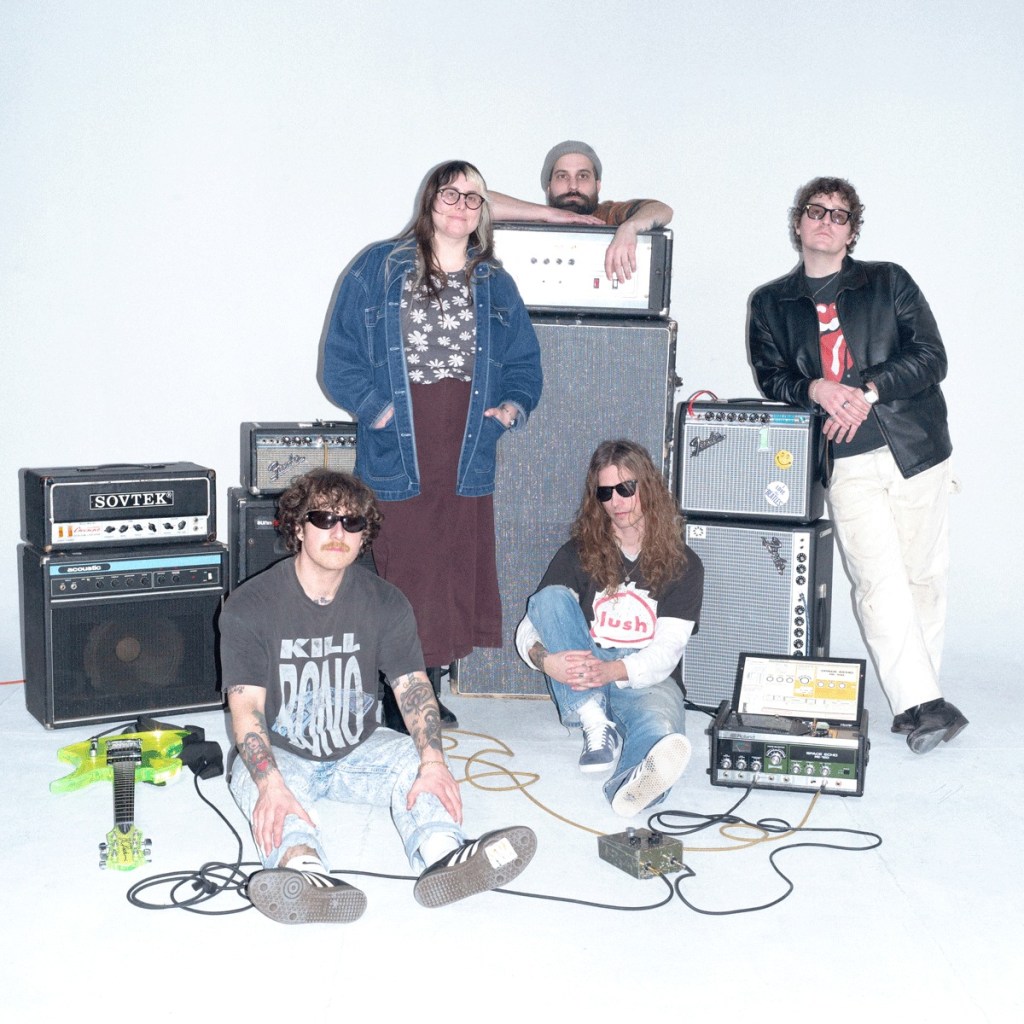
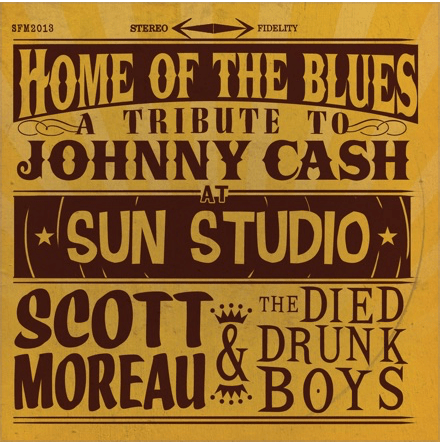
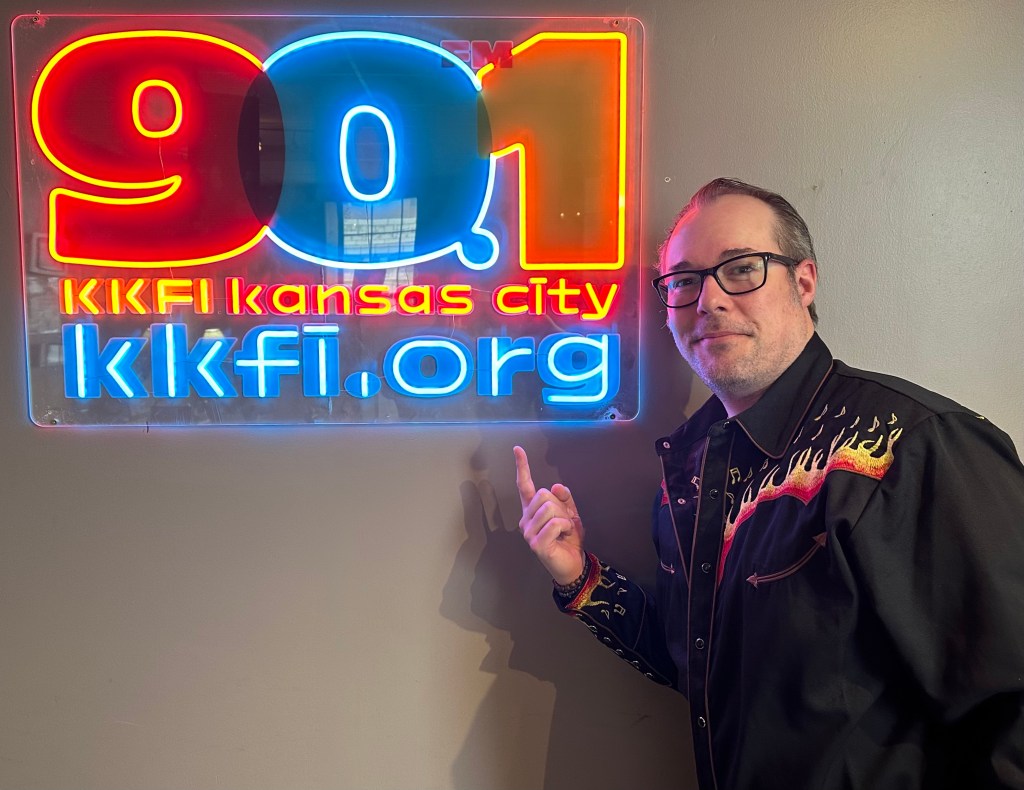
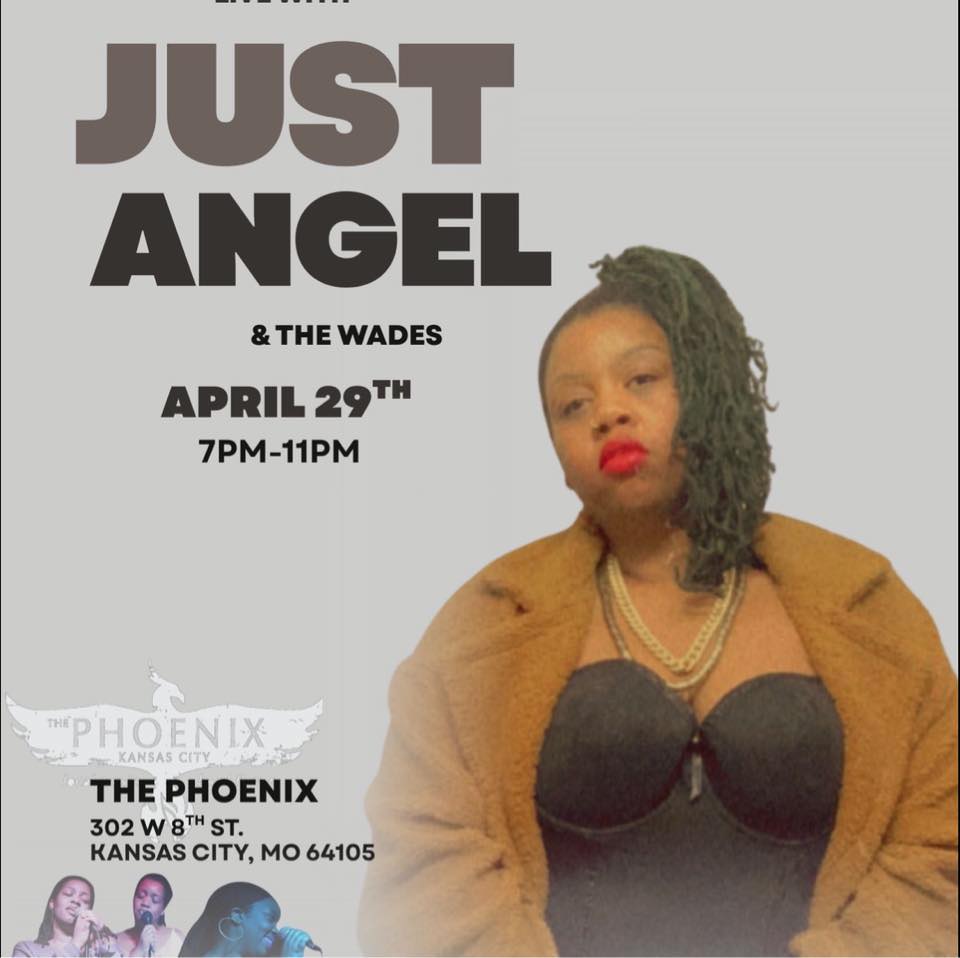
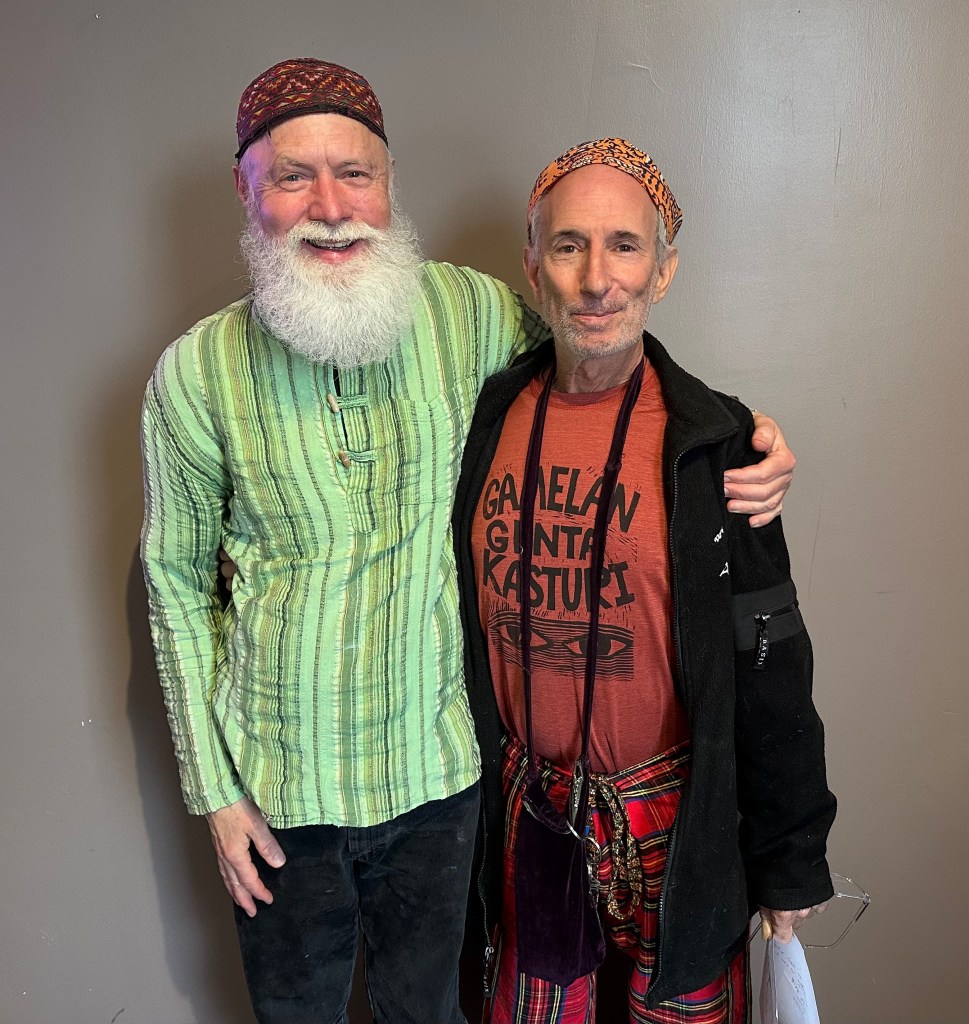
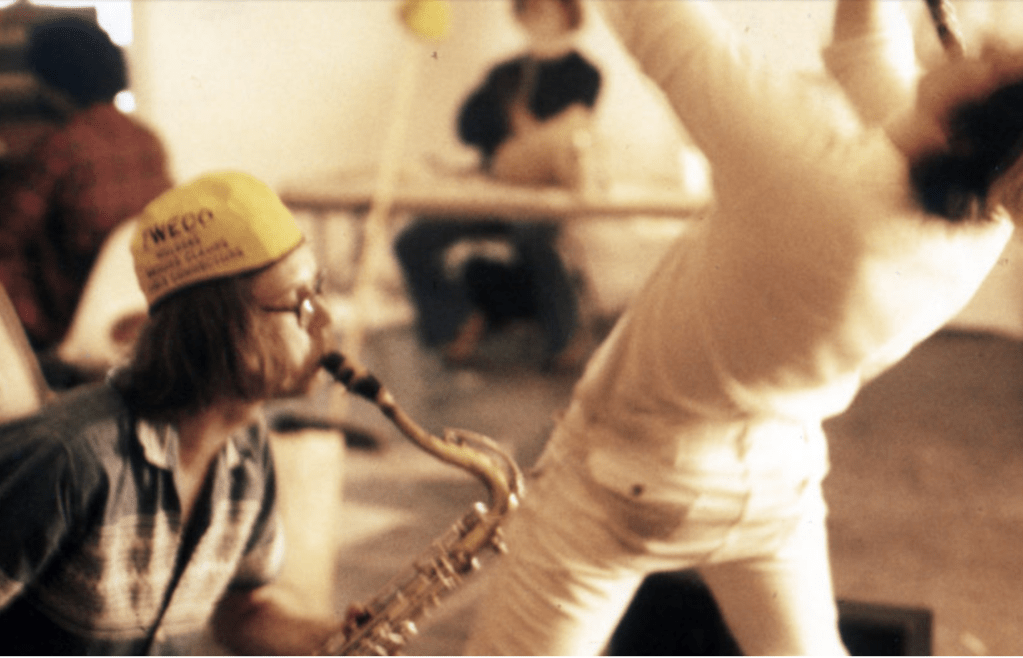
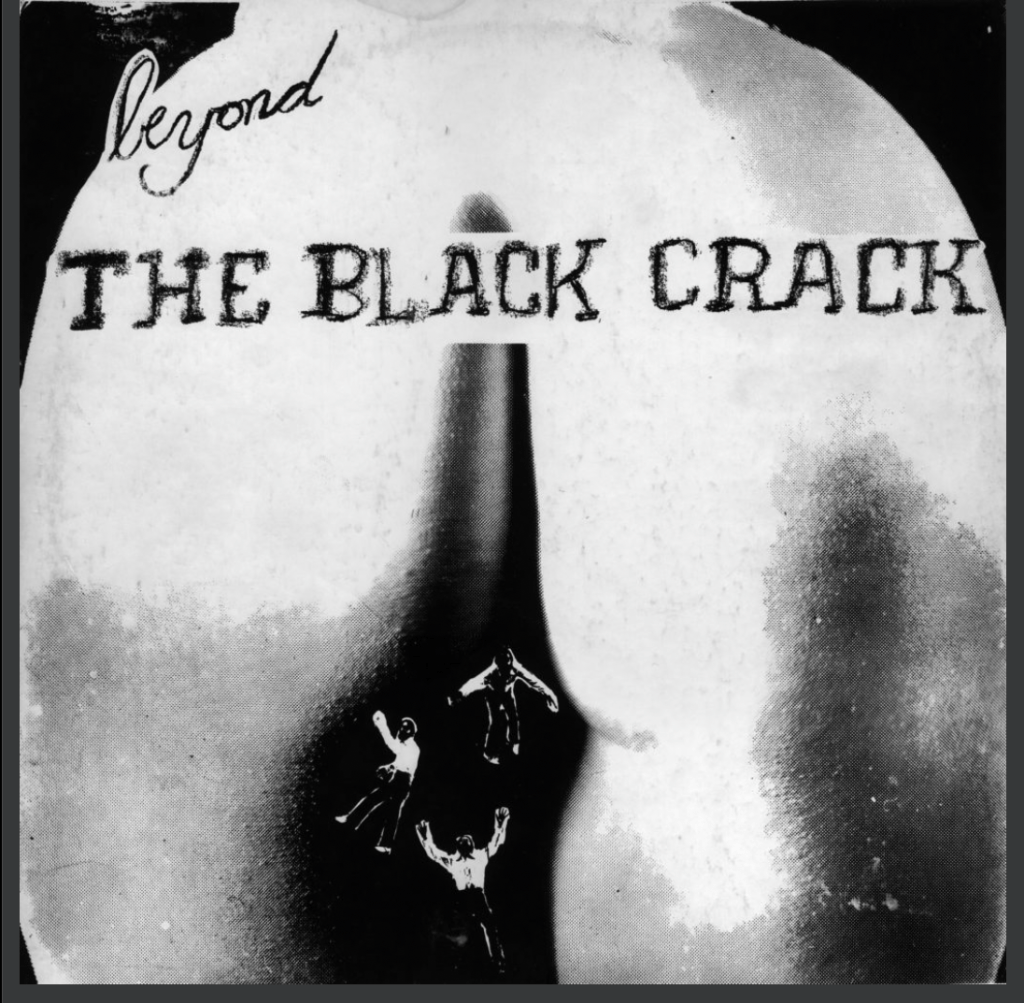
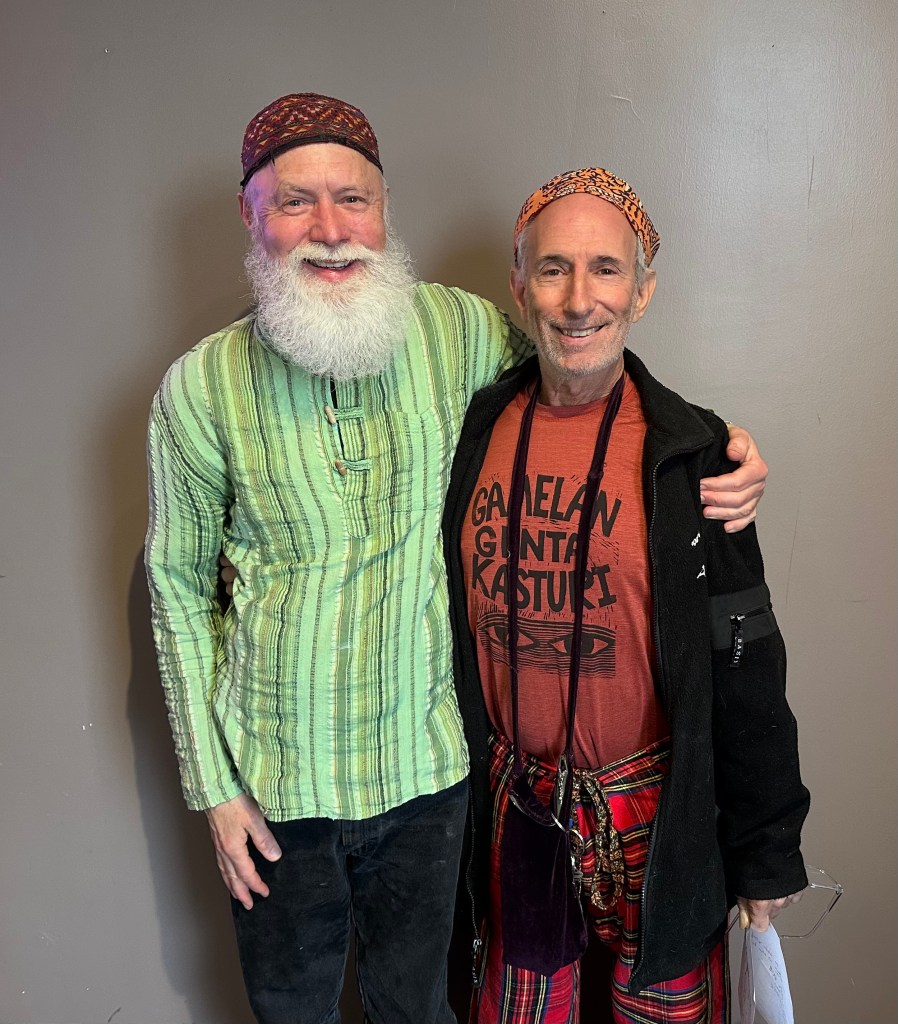
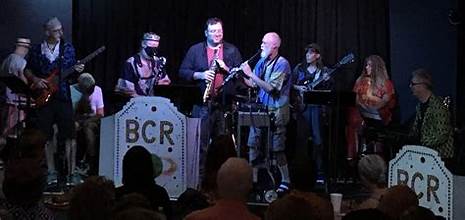
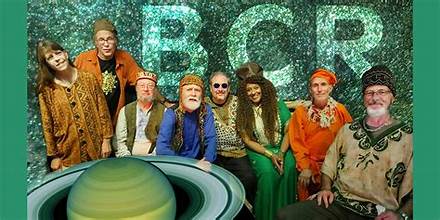
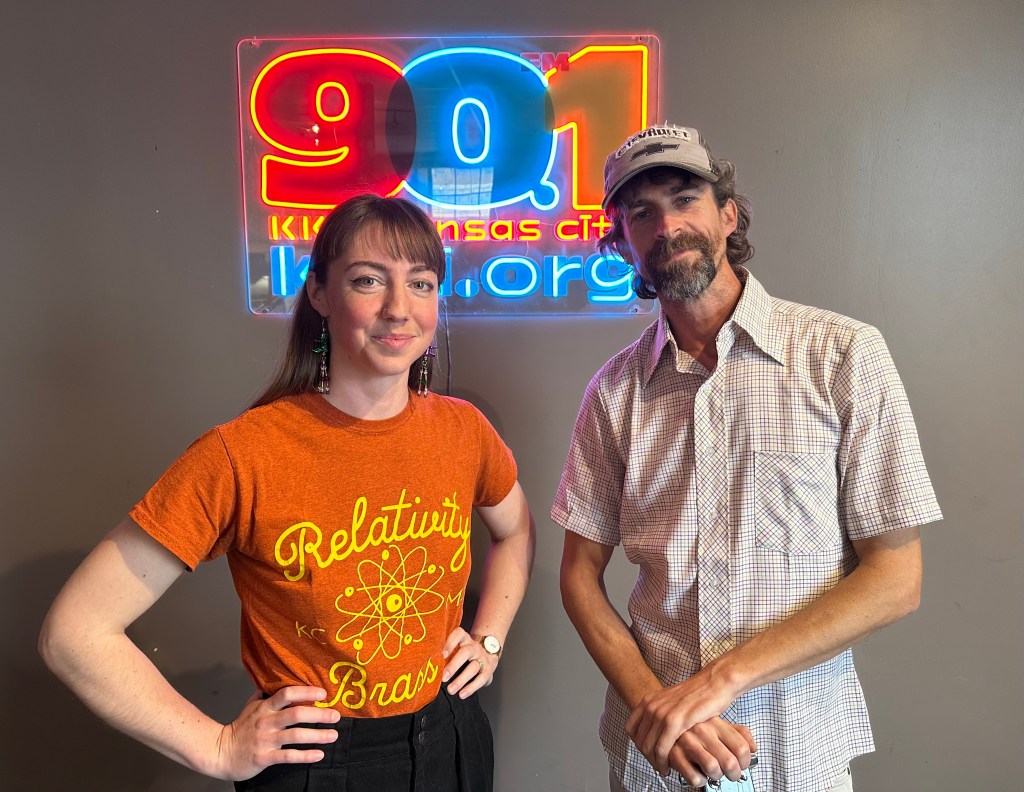
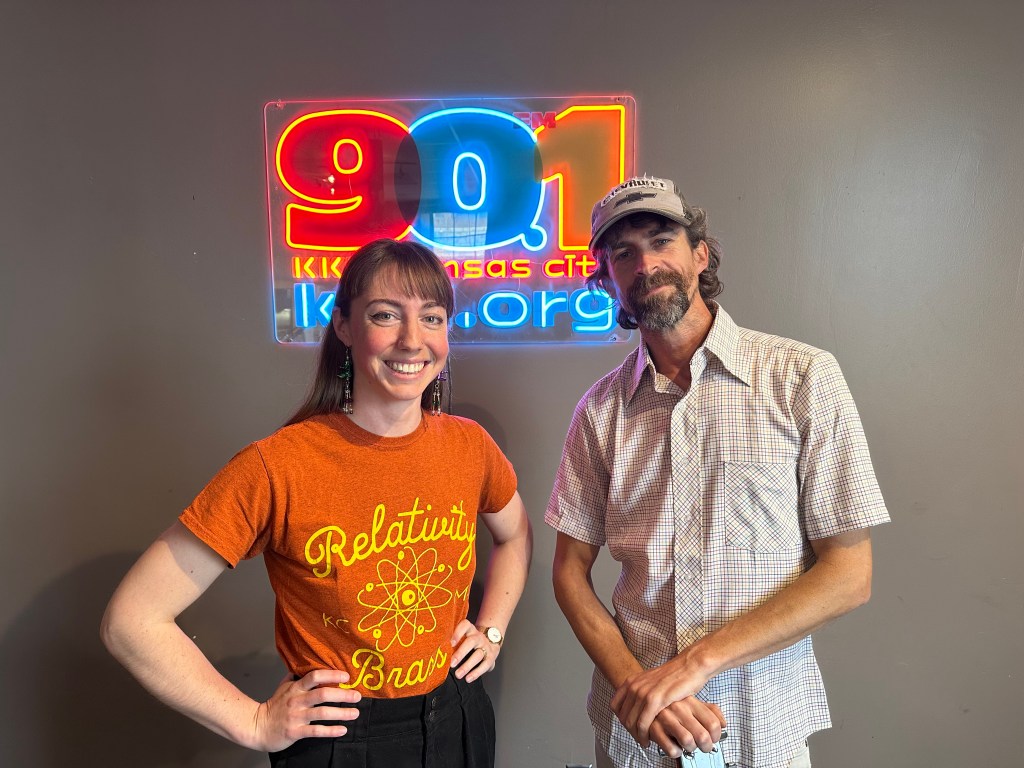
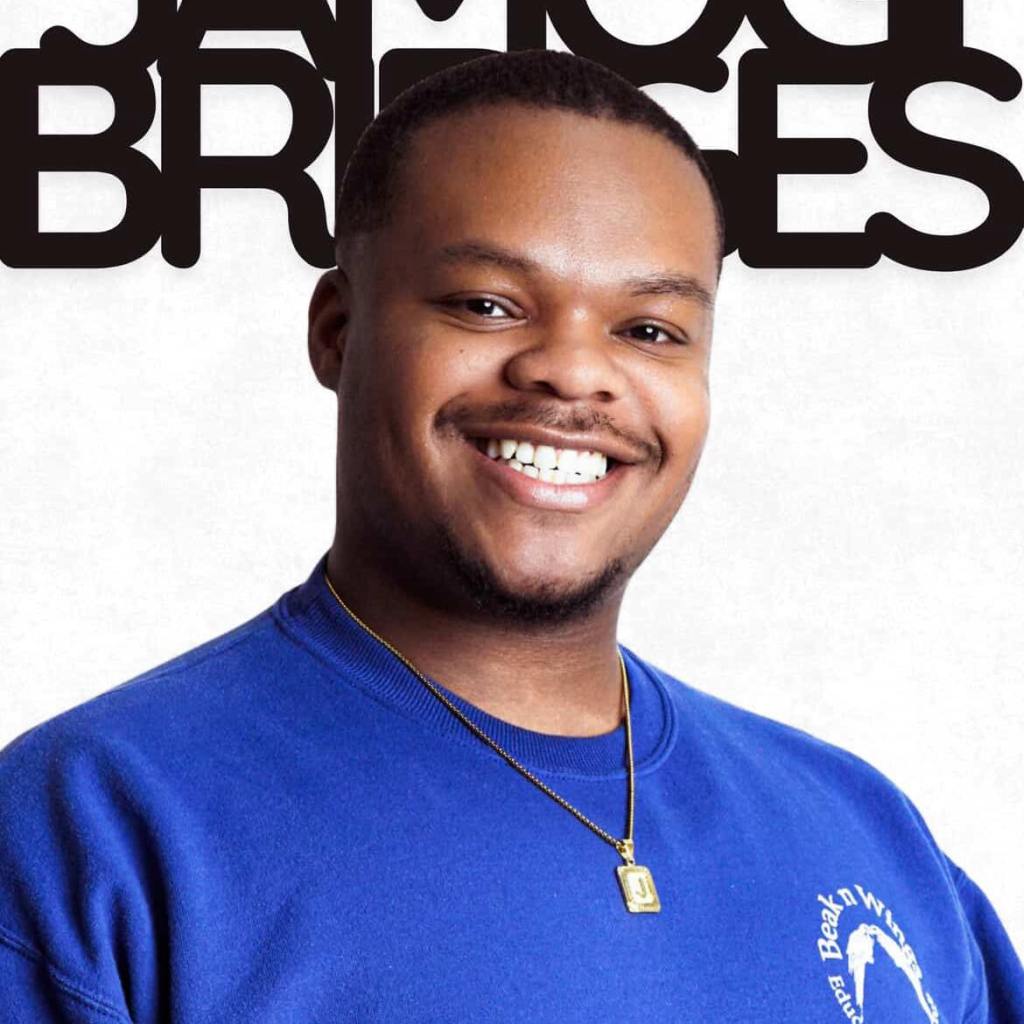
 Wednesday MidDay Medley